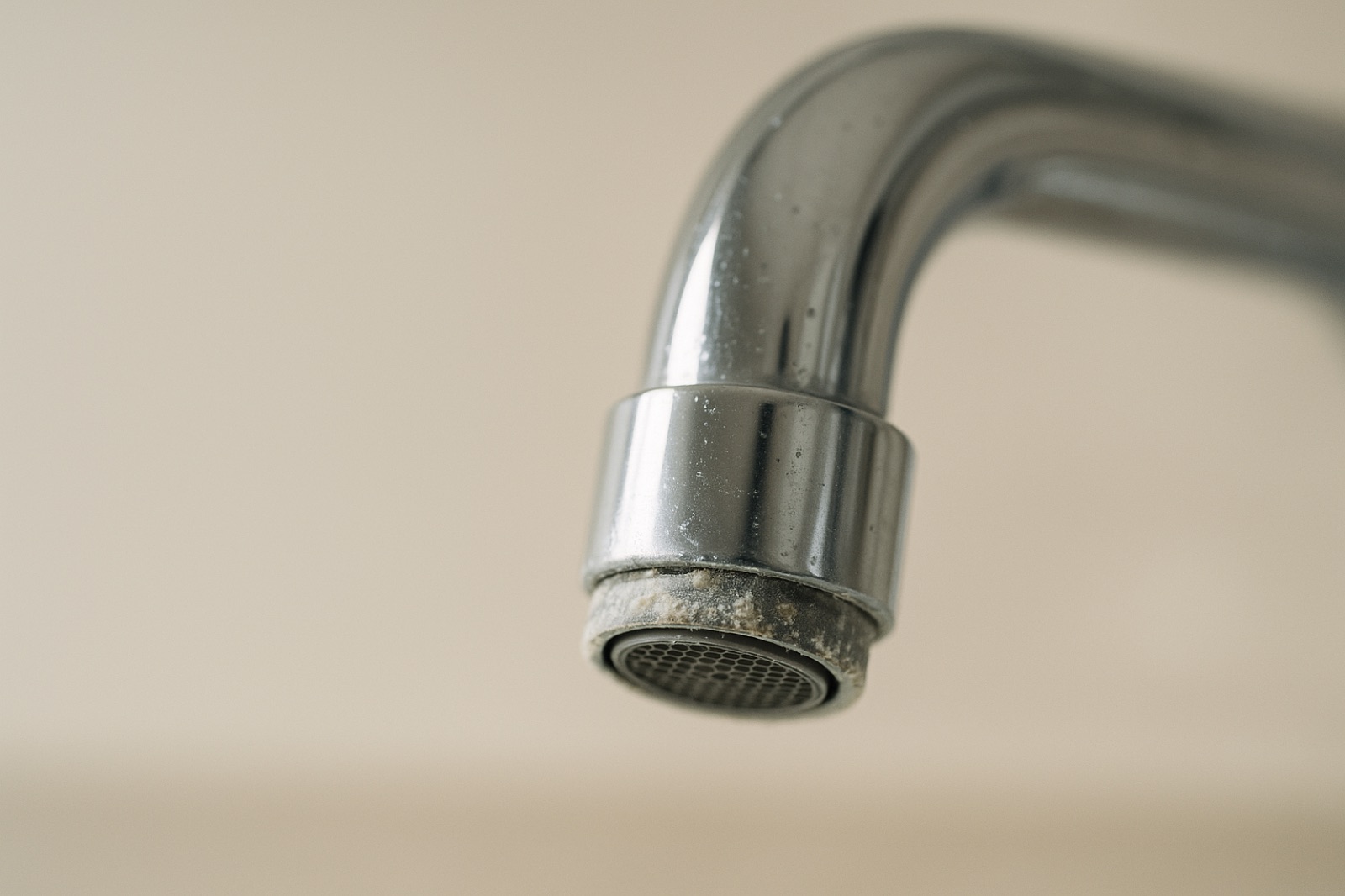
Cold weather tends to arrive faster than the to-do list. The outdoor spigot is often the first part of a home water system to suffer when temperatures drop, and the damage is easy to miss. Water trapped in a hose bib or an exposed line expands as it freezes, which can split fittings and crack valves. The fix costs very little in autumn and a great deal in the middle of a cold snap.
Weather also refuses to follow a calendar. The November 19, 2026 edition of Circle of Blue's Global Water Monitor and Forecast Watch List places the super El Niño first among its three In Focus topics, with the line "The super El Niño solidifies" leading the summary. A large Pacific pattern does not tell you whether your street will see a hard freeze in January, so the sensible plan is the same either way: prepare before the forecast turns.
When should I start?
Plan to finish the work before your first night at or below freezing. Many homeowners wait for the first cold forecast, which leaves little margin if the weather arrives early. Set aside one afternoon in late autumn, walk the outside of the house with a checklist, and fix anything you find while the weather is still mild.
What do I disconnect and drain?
Start with the hose. Remove garden hoses, hose splitters, and spray nozzles from every outdoor faucet, then store them indoors. Hoses left attached hold water against the faucet, which is exactly where a freeze does the most harm.
If your home has a shutoff valve inside for each outdoor faucet, close it. Then open the outdoor faucet so the water left in the line can drain out. Leave the faucet open through the winter so any remaining water has room to expand. Some outdoor faucets are frost-free designs with the valve set deep in the wall. These drain when shut off, but check the manufacturer's instructions for your model before you assume it is protected.
What about sprinklers and irrigation?
Irrigation systems hold water in supply lines and in above-ground backflow devices, and that water can freeze and crack parts that cost far more than a faucet. Draining or blowing out the system is a job many homeowners hand to a qualified irrigation contractor. If you do it yourself, follow the steps in your system's manual. Where a backflow device sits above ground, look for an insulated cover and keep it in place through the cold months.
What about pipes I can see?
Exposed pipes deserve the most attention. Check crawlspaces, basements, garages, and any line that runs along an exterior wall. Foam pipe sleeves are inexpensive, easy to cut to length, and simple to fit over a straight run. Heat tape is another option, but only use a product rated for your pipe and install it exactly as the label directs. Plugging in a cord and forgetting about it is not a plan.
During a cold snap, open the cabinet doors under sinks on exterior walls so warm room air can reach the pipes. Some homeowners also let a faucet drip slowly on the coldest nights. It uses water, but a thin stream keeps moving water in the line far less likely to freeze. Weigh that against your water bill and your local conditions.
What about a private well?
If your home runs on a well, the well house and pressure tank need the same attention. Confirm that any well house heater works and is kept away from anything that could overheat. Check that the access door seals properly and that exposed lines inside the well house are insulated. Walk the path from the well to the house now, while you can see it, so you know what the pump and lines look like in good condition.
Know where the main shutoff is
Before the cold arrives, find the main water shutoff, turn it off, and turn it back on. Make sure everyone in the house knows where it is and how to use it. If a line bursts, that valve is the fastest way to stop the flow and limit damage. Closing the main does not empty the pipes, so open a faucet at a low point of the house after you shut it off to relieve pressure and let remaining water drain.
A winter water plan is simple: disconnect and drain outdoor lines, insulate what you can see, protect the well house or meter area if you have one, and know where the shutoff is. Finish these tasks before the first hard freeze, and the coldest week of the year will feel like an ordinary week for your plumbing.