As a homeowner, it can be easy to overlook the importance of water quality testing when you are busy with daily life. However, ensuring that your water is safe and clean should be a priority. Regular testing not only helps you maintain the quality of your water but can also save you from potential health issues and costly repairs down the line.
What Does Water Testing Involve?
Water testing is a straightforward process that helps identify any contaminants or issues present in your drinking water. You can conduct tests for a variety of substances, including lead, nitrates, bacteria, and even harmful chemicals like PFAS. Depending on where you live and your specific water source, some tests may be more relevant than others.
Many homeowners opt for DIY test kits, which can be purchased online or at local hardware stores. These kits typically provide quick results for common contaminants, but they may not cover everything. For a more comprehensive analysis, you can send samples to a certified laboratory.
Why Testing Is Essential
One clear reason to test your water is to protect your health. Contaminated water can lead to a variety of health issues, from gastrointestinal problems to more severe conditions. For instance, the recent trial involving Exxon and climate activists has brought attention to the broader implications of environmental contamination. As the US trial could reveal who paid hackers to target Exxon climate critics, it serves as a reminder that our water sources can be impacted by larger environmental issues.
Additionally, if you live in an area with older plumbing, such as homes built before the 1980s, it’s crucial to test for lead and other metals that may leach into your water supply. A study highlighted in The Guardian illustrates that community efforts can sometimes be necessary to address environmental concerns, much like the actions taken by residents against proposed developments that threaten their local ecosystems.
Cost-Effectiveness of Regular Testing
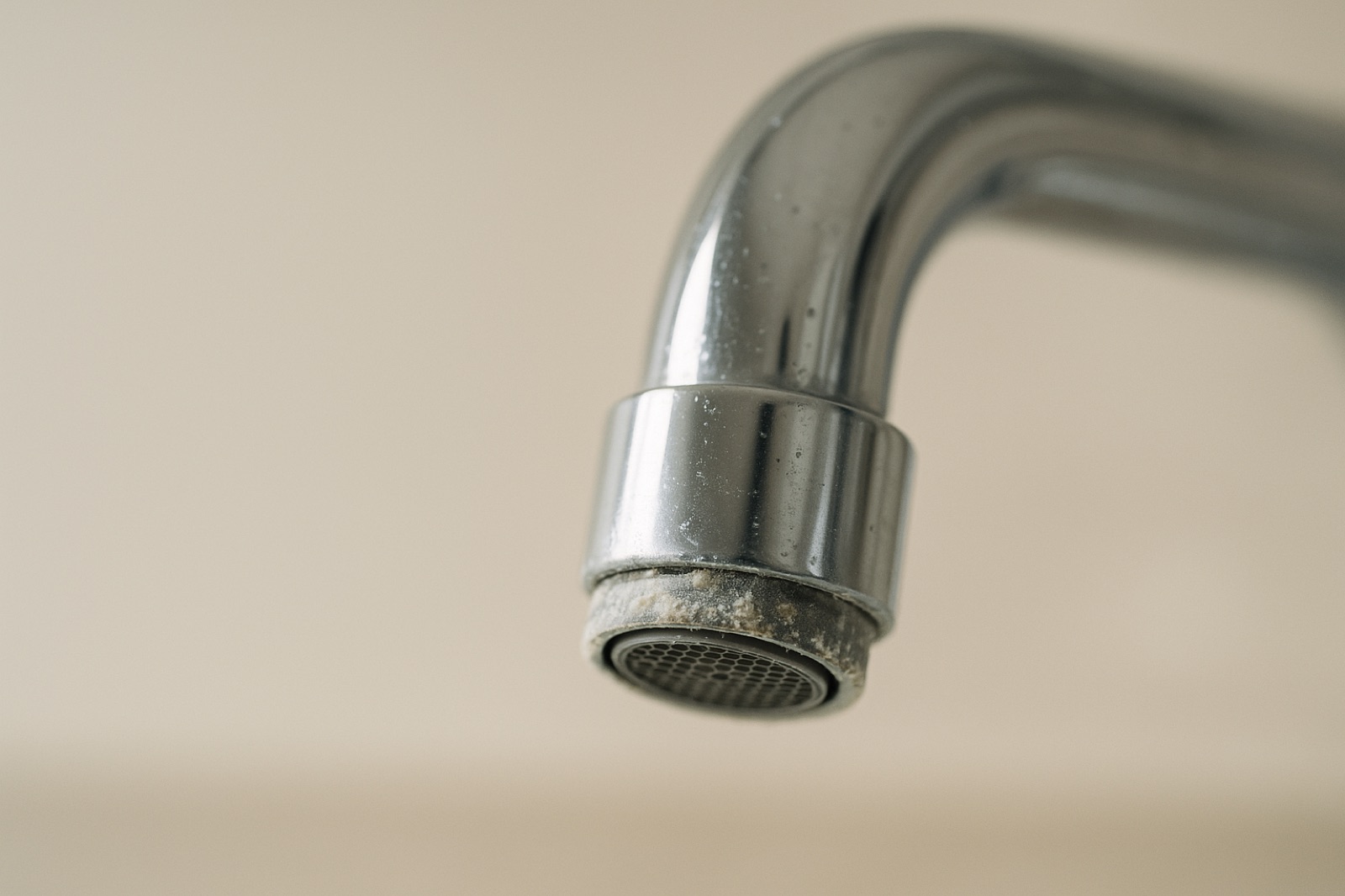
Regular water testing is not just about health - it’s also a smart financial decision. Identifying contaminants early on can save you from costly repairs to your plumbing system or your appliances, which can suffer from mineral buildup or corrosion. Furthermore, if issues are detected, you can take action before they escalate into larger problems.
Consider this: if you test your water annually and catch a problem, you can address it - whether that means installing a filtration system or replacing old pipes - before it leads to a more significant health or property damage crisis.
Getting Started with Water Testing
Ready to take action? Start by checking if your local water utility provides annual water quality reports. These reports can give you a good idea of what contaminants might be present in your water supply. If you have a private well, however, testing is entirely your responsibility. Aim to test your well water at least once a year.
If you find that your water has high levels of certain contaminants, consult with a water treatment professional who can guide you through your options. Whether you decide on a filtration system, softening solution, or a complete overhaul of your plumbing, addressing water quality issues proactively will pay off in the long run.
In conclusion, testing your water is an essential part of responsible homeownership. It protects your health, saves you money, and can empower you to make informed decisions about your household water supply. Make it a point to add water quality testing to your home maintenance checklist - your future self will thank you!