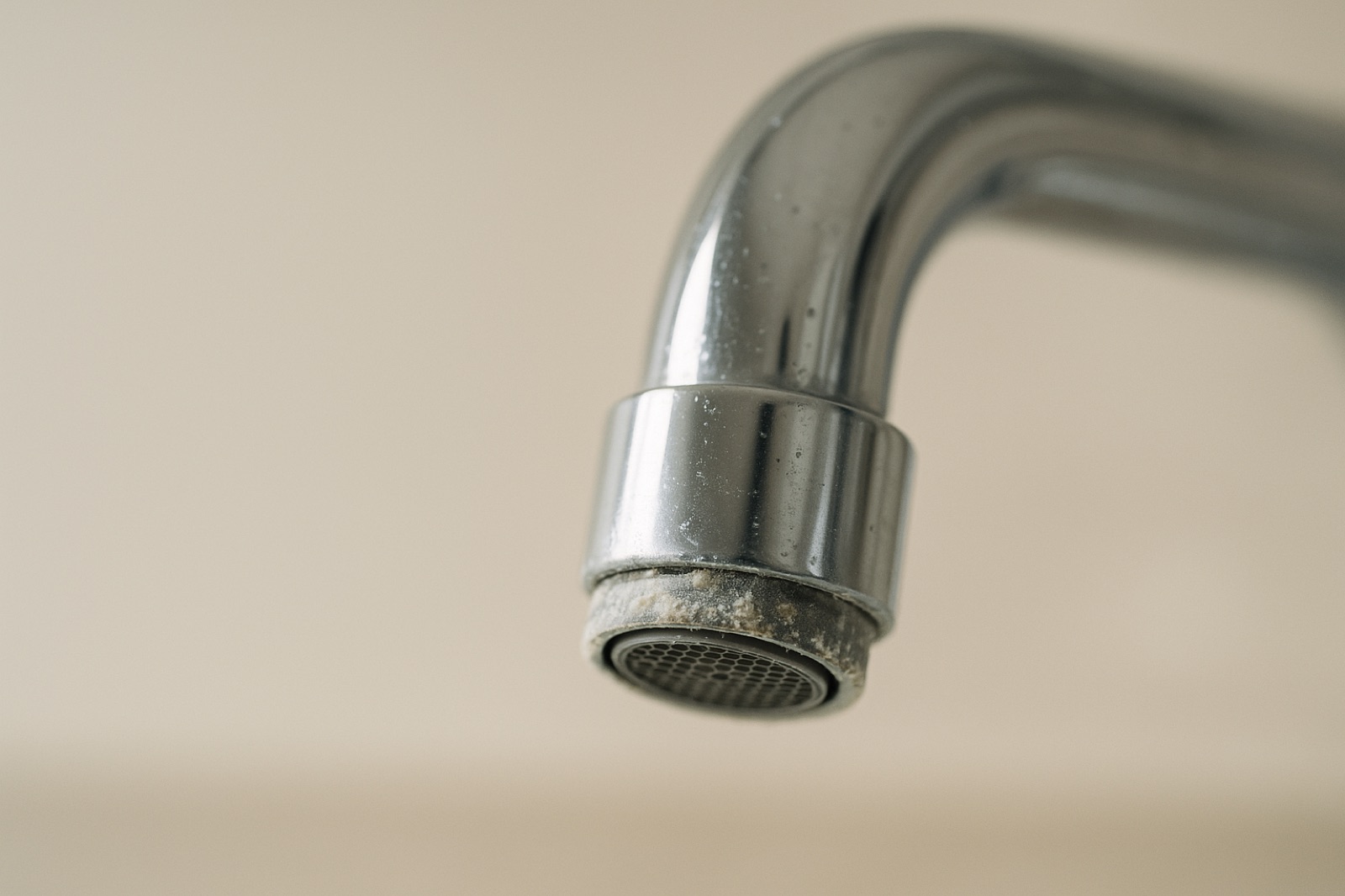
As a homeowner, you might think that your tap water is safe to drink and use without a second thought. However, with the increasing number of contaminants, climate change impacts, and changes in environmental regulations, the need for regular water testing has never been more crucial. In this article, we will explore why testing your home water should be a priority and how it can safeguard your family’s health.
Understanding the Importance of Water Testing
Water is one of the most basic necessities of life, and ensuring its quality is vital. Contaminants can enter your water supply for various reasons, including aging infrastructure, industrial spills, and even natural sources. Regular testing can help identify any harmful substances, ensuring you take action before they become a significant health risk.
Current Events Highlighting Water Quality Concerns
The issue of water quality has gained public attention recently, particularly as climate change continues to create challenges for many communities. For instance, the ongoing discussions around extreme heat incidents, such as those reported in The Guardian, underscore a broader climate crisis where access to essential resources like clean water may become more difficult. As temperatures rise, so does the risk of water contamination from various sources, meaning that proactive testing is essential.
Types of Contaminants to Test For
When it comes to water testing, various contaminants can pose risks to your health and home. Here are a few common types to consider:
- Microbial Contaminants: Bacteria, viruses, and parasites can enter your water supply through sewage, wildlife, or stormwater runoff. Regular testing helps detect these harmful pathogens.
- Chemical Contaminants: Pesticides, heavy metals, and other industrial chemicals can infiltrate your water. Chemicals like lead and arsenic can have severe health impacts.
- Physical Contaminants: Sediments or debris can affect the aesthetic quality of your water and may indicate larger issues with your plumbing or local water source.
How Often Should You Test Your Water?
While the EPA recommends testing your water at least once a year, you should consider more frequent testing if:
- Your home has a private well
- You notice changes in taste, color, or odor
- Your area has experienced flooding or nearby construction
- There are known contaminants in your region
Steps to Take After Testing
Once you've conducted your water test, you will receive results detailing any contaminants found. If your water does contain harmful substances, here are steps you can take:
- Contact a Professional: For issues beyond your expertise, a professional can help assess the situation and recommend solutions.
- Consider Filtration Systems: Depending on the contaminants, installing a water filtration system may be a suitable option to ensure your water is safe.
- Stay Informed: Keep abreast of local water quality reports and news surrounding your area. As seen in the climate discussions highlighted in The Guardian, community action can play a vital role in water safety.
Final Thoughts
Water testing shouldn’t be an afterthought - it should be an integral part of home maintenance. With the changing climate and increasing contaminants, understanding your water quality is more important than ever. By staying proactive, you can protect your family and enjoy peace of mind knowing that your home water is safe and healthy.