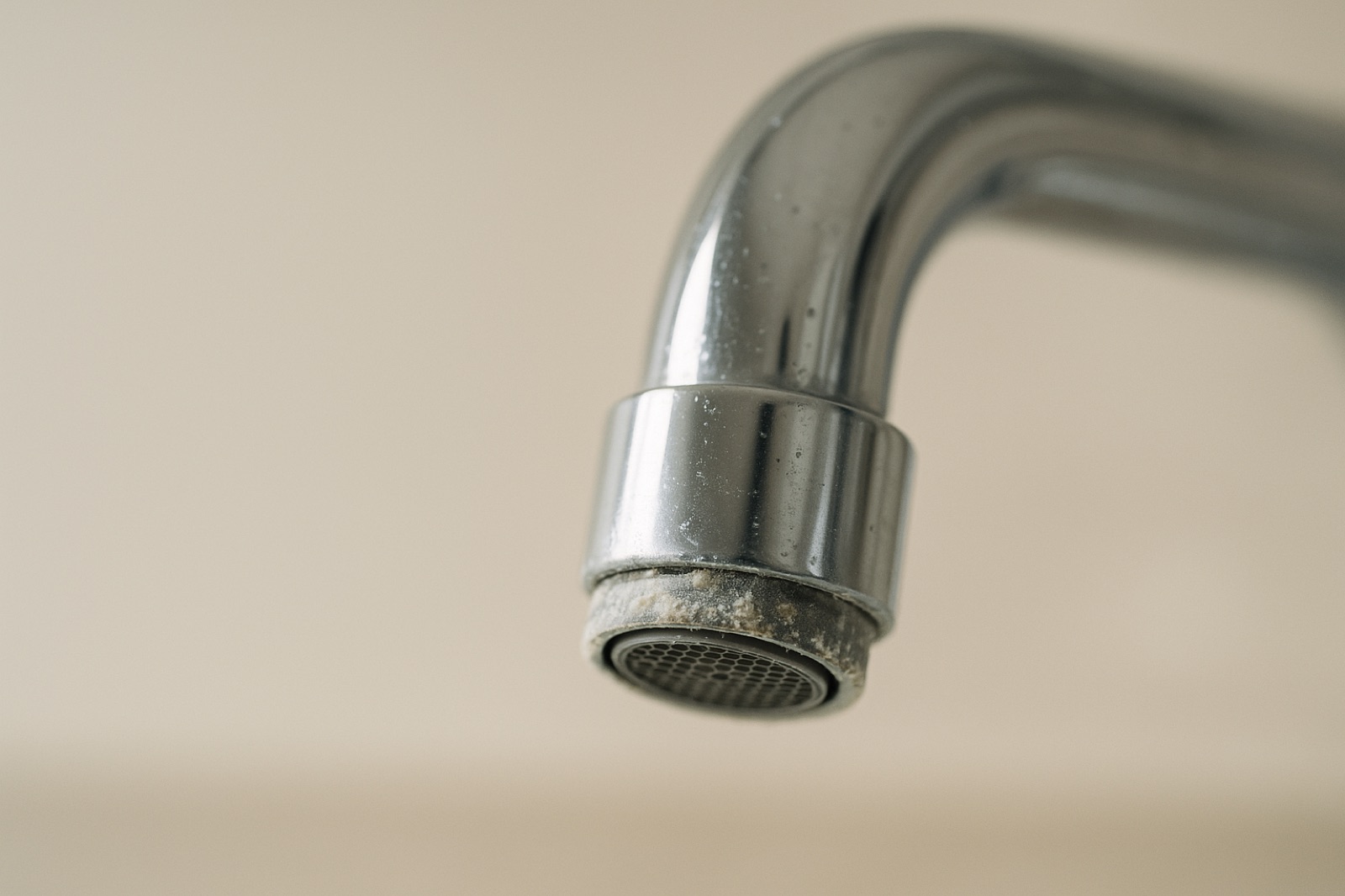
As a homeowner, ensuring the quality of your water is essential not just for taste but for health, safety, and even the environment. With climate change influencing water quality across the globe, the demand for reliable home water testing has reached new heights. From contaminants like lead and PFAS to emerging threats posed by climate phenomena, understanding what is in your water has never been more crucial.
The Impact of Climate Change on Water Quality
Climate change has resulted in extreme weather patterns that can affect water supplies in various ways. For instance, as reported by The Guardian, with summer temperatures soaring in many regions, water sources can become more susceptible to contamination from runoff, especially in urban areas. The rising temperatures not only increase algae blooms, which can release harmful toxins into the water, but they can also elevate the levels of bacteria.
Moreover, as the climate continues to shift, it can lead to changes in traditional water supply systems. This can result in the introduction of new contaminants into drinking water, making regular testing even more important.
Understanding What to Test For
Testing your home’s water for specific contaminants is vital. Here are a few key substances you should consider:
- Lead: Particularly harmful for children, lead can leach into drinking water from old pipes and fixtures.
- PFAS: Known as forever chemicals, these substances can persist in the environment and build up in the human body over time.
- Bacteria: Coliform and E. coli bacteria can indicate possible contamination and pose serious health risks.
- Chlorine: While often used to disinfect water, excessive chlorine can affect taste and health.
This list is not exhaustive, but it emphasizes the need for comprehensive testing to ensure safe drinking water.
Improving Access to Clean Water
Access to clean water is becoming increasingly unequal, as highlighted by another The Guardian piece discussing how climate disparities lead to different levels of access to resources like air conditioning, and by extension, clean water. Homeowners in affluent areas are more likely to have access to sophisticated filtration systems, while those in lower-income areas may not have the same opportunities to ensure their water is safe.
For homeowners, this means taking the initiative to understand your water situation. Regular testing can empower you to make informed decisions about any necessary filtration systems or treatments.
The Benefits of Professional Testing
While DIY kits are available, they often fall short of providing a complete picture of water quality. Professional testing services offer more comprehensive analyses and can identify contaminants that might not be detectable through home testing kits. Companies like Jones Air & Water offer free in-home water tests, helping you understand exactly what is in your water.
Moreover, professionals can also provide recommendations for filtration systems tailored to your specific needs, ensuring that your family has access to the safest drinking water possible.
Conclusion
In a world where climate change is reshaping our environment, the importance of home water testing cannot be overstated. As a homeowner, taking proactive steps to understand and improve your water quality will not only benefit your family’s health but also contribute to a healthier planet. Regular testing is an investment in safety, offering peace of mind that your water is clean, safe, and ready to drink.