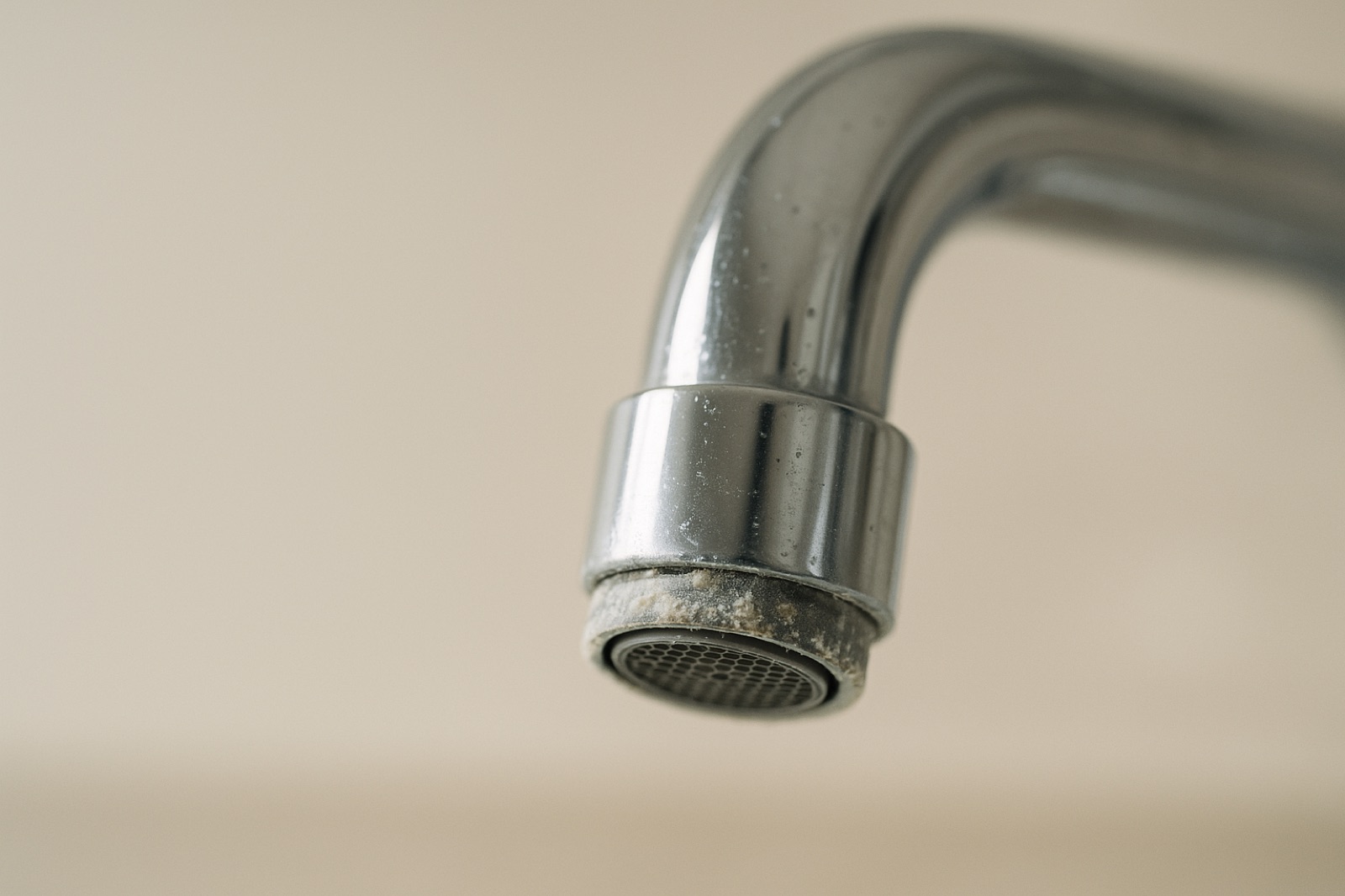
As a homeowner, ensuring the quality of your water is more important now than ever. With climate change, industrial pollution, and other environmental factors affecting water supplies, having a reliable home water filtration system can protect your family's health and enhance your overall water experience.
The Changing Landscape of Water Quality
Recent events have underscored the urgent need for homeowners to take charge of their water quality. For instance, climate change is causing shifts not only in weather patterns but also in local ecosystems, which can impact water sources. A recent article from The Guardian details how climate activists are closely monitoring legal proceedings related to the oil giant Exxon, highlighting the ongoing battle between environmental stewardship and corporate interests. This illustrates a broader trend: as climate crises unfold, traditional sources of water may become less reliable.
The Risks of Contaminated Water
Beyond climate change, contamination from industrial runoff, aging infrastructure, and even household pollutants can compromise your water quality. Many homeowners are unaware that even municipal water systems can have contaminant levels that exceed safety guidelines. Regular testing and a good filtration system can help mitigate these risks. With contaminants like lead, chlorine, and various chemicals being present in water supplies, the need for filtration has never been clearer.
Choosing the Right Filtration System
When considering a home water filtration system, it is essential to assess your unique needs. There are various types of filtration systems available, including carbon filters, reverse osmosis systems, and UV filters. Each type has its strengths and weaknesses, and your choice should be informed by the specific contaminants in your water.
Benefits of Filtration Systems
Investing in a home water filtration system offers numerous benefits:
- Improved Taste and Odor: Many filtration systems can effectively remove chlorine and other chemicals, resulting in better-tasting water.
- Health Benefits: By removing harmful contaminants, you safeguard your family against potential health risks.
- Cost-Effective: Over time, filtered water can be more economical than buying bottled water.
- Environmental Impact: Reducing reliance on bottled water helps lessen plastic waste.
Staying Informed
Staying updated on water quality issues in your area is vital. Recent reports, such as another piece from The Guardian, highlight how environmental changes, like the El Niño phenomenon, can affect local ecosystems and water sources. Such information can guide your decision on the filtration system that best suits your needs.
Conclusion
Given the myriad of challenges posed by climate change and pollution, investing in a home water filtration system is a practical step every homeowner should consider. It not only improves the quality of your water but also contributes to better health and environmental stewardship. By taking control of your water quality, you can ensure that your home remains a safe and welcoming space for your family.