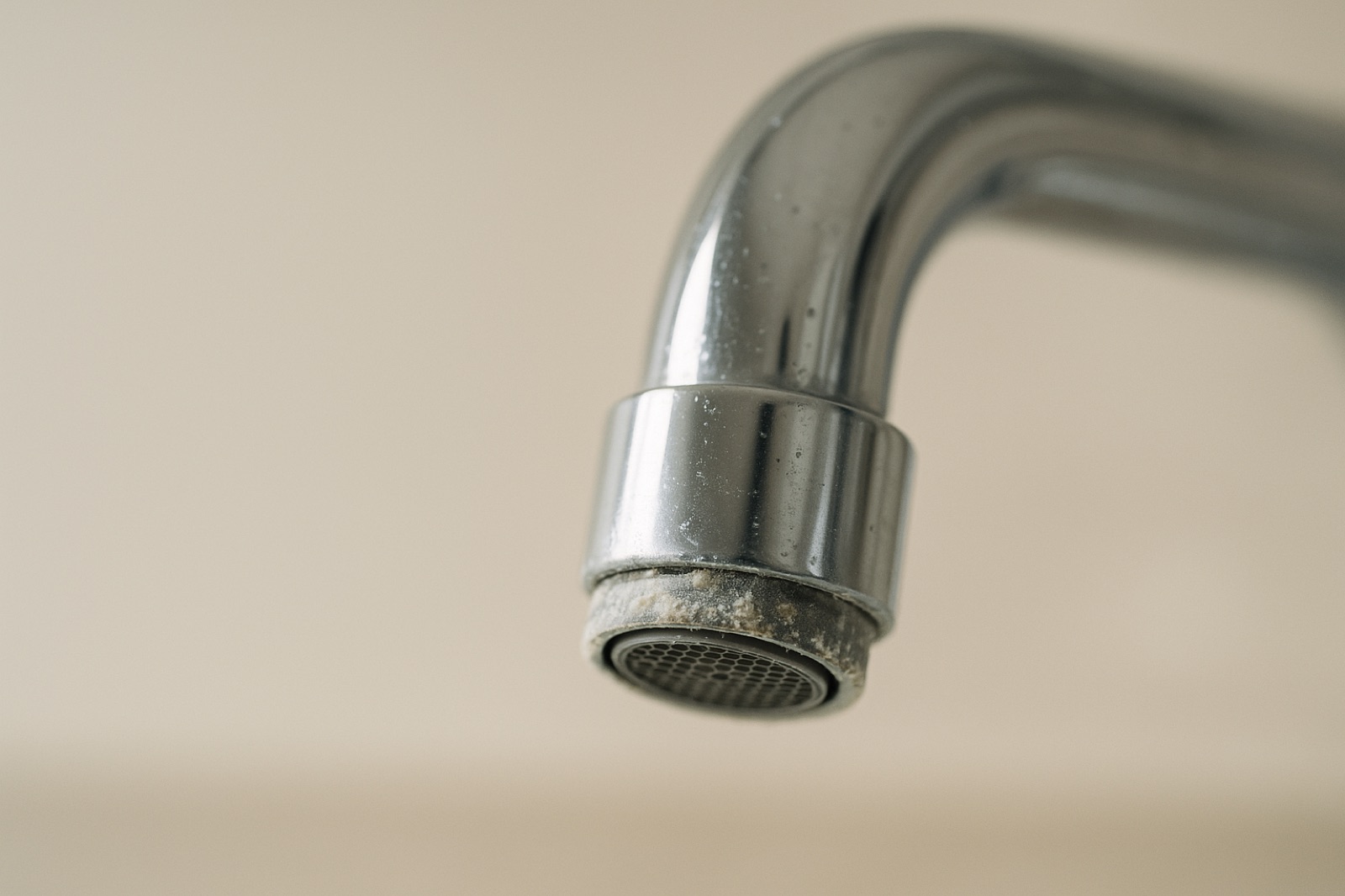
In today's world, ensuring that your home water supply is safe and clean has become more important than ever. One of the most pressing concerns in water quality is the presence of PFAS, also known as per- and polyfluoroalkyl substances. These chemicals, often referred to as "forever chemicals" due to their persistence in the environment and human body, have been linked to various health risks. As a homeowner, understanding PFAS and how to manage its presence in your water is essential.
What Are PFAS?
PFAS are a group of man-made chemicals that have been widely used in various industries since the 1940s. They are commonly found in products like non-stick cookware, food packaging, and firefighting foams. Unfortunately, these chemicals do not break down easily in the environment, which is why they have earned the nickname "forever chemicals." Their ubiquity means they can potentially contaminate groundwater and drinking water supplies.
The Growing Concern
The concern surrounding PFAS has been gaining attention recently, particularly in regions like North Bay, Ontario. According to a recent article by Circle of Blue, residents were informed about the contamination of local waterways due to longstanding industrial practices. The reports indicate that residents expressed their worries about the impact of these chemicals on their health and the environment, highlighting the urgency of addressing PFAS pollution. These issues are not isolated, as communities across North America are grappling with similar challenges.
Health Implications
While research is still ongoing, studies have suggested that prolonged exposure to PFAS can lead to various health issues, including immune system effects and increased risk of certain cancers. The Environmental Protection Agency (EPA) has set a health advisory level for two specific PFAS compounds, but many homeowners may find it challenging to navigate the complexities of testing and filtration.
Testing for PFAS
The first step in tackling PFAS contamination in your home water supply is testing. Various home testing kits are available, allowing you to determine whether PFAS is present in your water. If you choose to go this route, look for kits that specifically mention PFAS testing, as not all water tests cover these chemicals.
Filtration Solutions
If testing reveals the presence of PFAS, you may want to consider investing in a water filtration system. Options include whole-house systems and point-of-use systems like under-sink or countertop filters. Not all filters are created equal, so it is crucial to select one certified to remove PFAS. Look for filters that use activated carbon or reverse osmosis, as these technologies have been shown to be effective in reducing PFAS levels in drinking water.
Staying Informed
Considering the rapid developments in regulations and technology regarding PFAS, staying informed is essential. Regularly check local water quality reports and remain engaged with community efforts to address PFAS pollution. Awareness is key, as ongoing discussions are leading to stronger regulations and better remediation strategies.
Conclusion
Your home water quality is vital, and understanding the implications of PFAS contamination is crucial for you and your family. By testing your water and exploring effective filtration options, you can take proactive steps to ensure a safer drinking water supply. For more detailed insights into PFAS in your region, you can refer to Circle of Blue's article on North Bay's PFAS challenges.