A water softener and a water filter can both improve life at home, but they do different jobs and create different upkeep routines. Before you compare equipment prices, identify the problem you need to solve and what the proposed system will require from you after installation.
This matters when household costs are already difficult to track. Water Finance and Management recently examined how utility billing practices can affect costs and customer service in its report on aging billing systems. The article, by Contributing Author Meg Waters, notes that utilities with lean budgets and tight staffing may keep legacy systems well past their prime. That story concerns utility operations, not home treatment, but it offers a useful reminder: the purchase price is only one part of a water expense.
For a homeowner, the continuing costs may include softener salt, filter cartridges, replacement media, water used during regeneration, electricity, laboratory testing, or professional service. The correct list depends on the equipment. Start with your symptom, then ask what you will be refilling, replacing, and checking.
Use the symptom to define the job
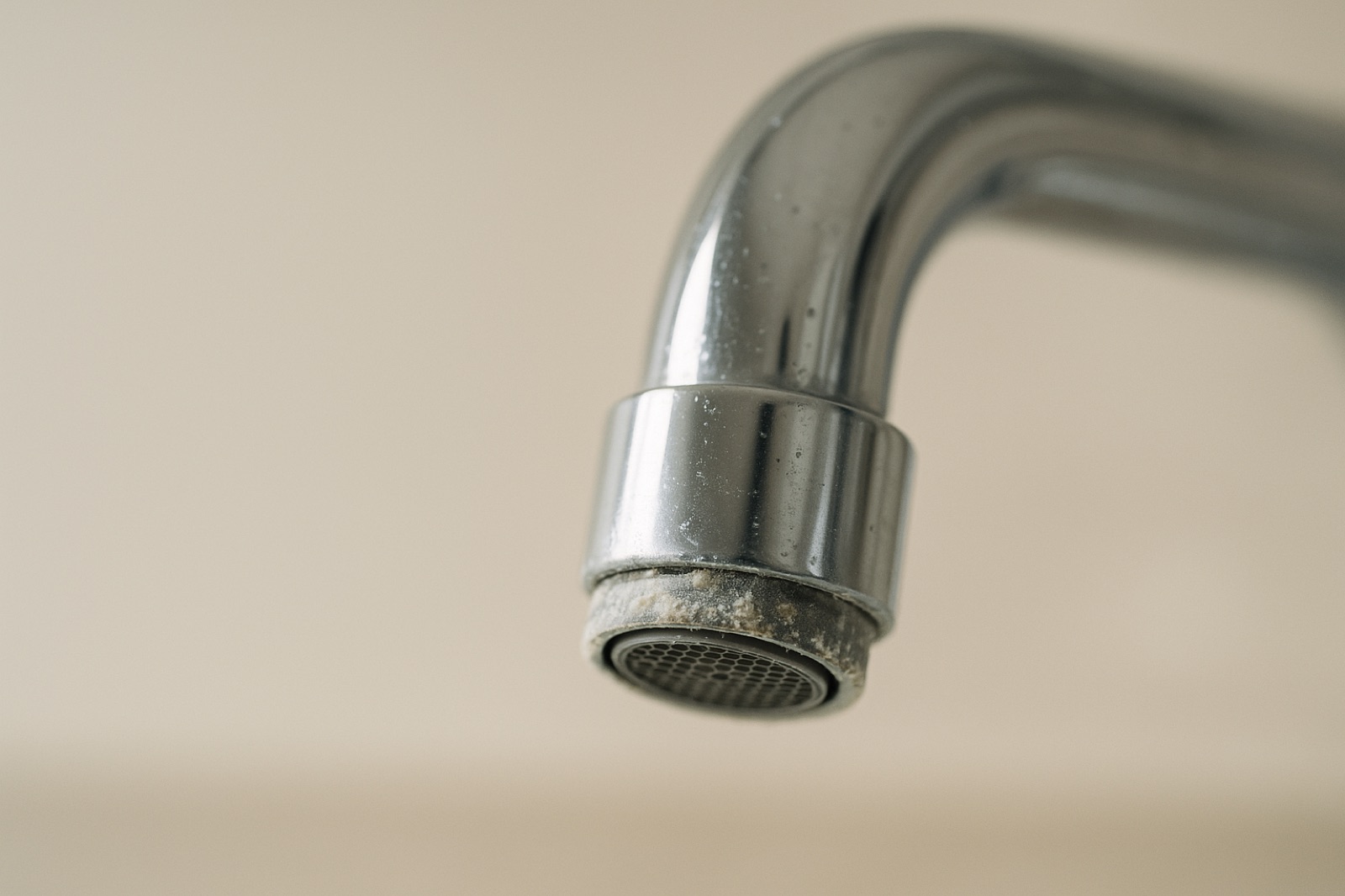
Scale on fixtures or inside appliances: A softener is the usual candidate when testing confirms elevated hardness. Ion exchange softeners reduce calcium and magnesium, the minerals associated with hard-water scale. A standard sediment or carbon filter is not a substitute for hardness treatment.
Unpleasant taste or odor: Filtration may be appropriate, but the filter type must match the cause. Activated carbon is commonly used for certain taste and odor concerns. Rotten-egg, metallic, musty, or suddenly changing odors should not all be treated as the same problem. Test or investigate the source before selecting media.
Orange, brown, blue-green, or black staining: Color provides a clue, not a complete diagnosis. Iron, manganese, corrosion, plumbing materials, sediment, and water chemistry can produce different stains. A softener may handle limited amounts of some dissolved minerals, but significant staining often calls for targeted testing and treatment.
A named contaminant: Choose equipment only after a reliable test identifies what is present and at what level. Certifications and performance claims are contaminant-specific. A device advertised as a general water filter should not be assumed to reduce every substance you are concerned about.
Softener-versus-filter maintenance matrix
Scale plus confirmed hardness: Consider a softener. Ask how often salt must be added, how regeneration is controlled, where discharge goes, and what annual inspection is recommended.
Taste or odor with an identified filterable cause: Consider a suitable filter. Ask for cartridge or media life in gallons and months, the replacement price, and the signs that performance is declining.
Staining: Test first, then compare targeted treatment. Ask whether the proposed system requires backwashing, chemical replenishment, cleaning, or periodic media replacement.
Confirmed contaminant: Consider a certified point-of-use or whole-house filter matched to that contaminant. Ask whether follow-up testing is needed and whether cartridges must be replaced on a fixed schedule even when the water still looks normal.
Hardness plus a separate taste, odor, or contaminant issue: You may need both technologies. Request a written explanation of what each stage does, its service interval, and the order in which water passes through it.
Take this checklist to the test and the quote
Record whether each symptom appears at every tap, only at the kitchen sink, only in hot water, or only after water has been sitting. Note when it began and whether plumbing, a water heater, a well component, or utility service recently changed.
Then obtain hardness results and any tests indicated by the symptom or your water source. Use an accredited laboratory when the question involves health-related contaminants. If you need help defining the test panel and treatment boundary, schedule a professional water assessment.
For every proposed device, write down the consumable, replacement interval, current replacement cost, service task, warranty conditions, and a simple way to verify that treatment is still working. A low purchase price can lose its appeal if proprietary cartridges are expensive or difficult to obtain. A more capable system can also be wasteful if it treats a problem your results never established.
The demand for clearer choices is visible in this publication's own activity: The Home Water Report recorded 3,226 page views, 1,068 visitors, 1,265 search crawls, and 2,891 AI crawls. No assist or CRM data was supplied, so those figures show site activity, not purchases or treatment outcomes.
Your best choice is not automatically a softener, a filter, or the system with the longest feature list. It is the equipment that matches a verified water problem and comes with an upkeep routine you can realistically follow.