The most important water treatment question may not be whether you need a softener or a filter. It may be whether you can keep the equipment working as intended.
That distinction matters when you are comparing systems after noticing scale, unpleasant taste, odor, staining, or concern about contaminants. Each symptom points toward a different treatment job, and each solution brings its own supply, cleaning, and replacement routine. Choosing equipment without considering that routine can leave you with an expensive appliance that receives little attention after installation.
Infrastructure managers face a larger version of the same challenge. Water Finance and Management reports that the City of Cadillac, Michigan, selected Schneider Electric and Budderfly to modernize municipal infrastructure, lower energy costs, and improve resilience against power disruptions. The Cadillac infrastructure project is municipal in scale, but it highlights a useful household principle: performance, operating cost, and resilience belong in the same decision.
Start with the symptom, but do not stop there
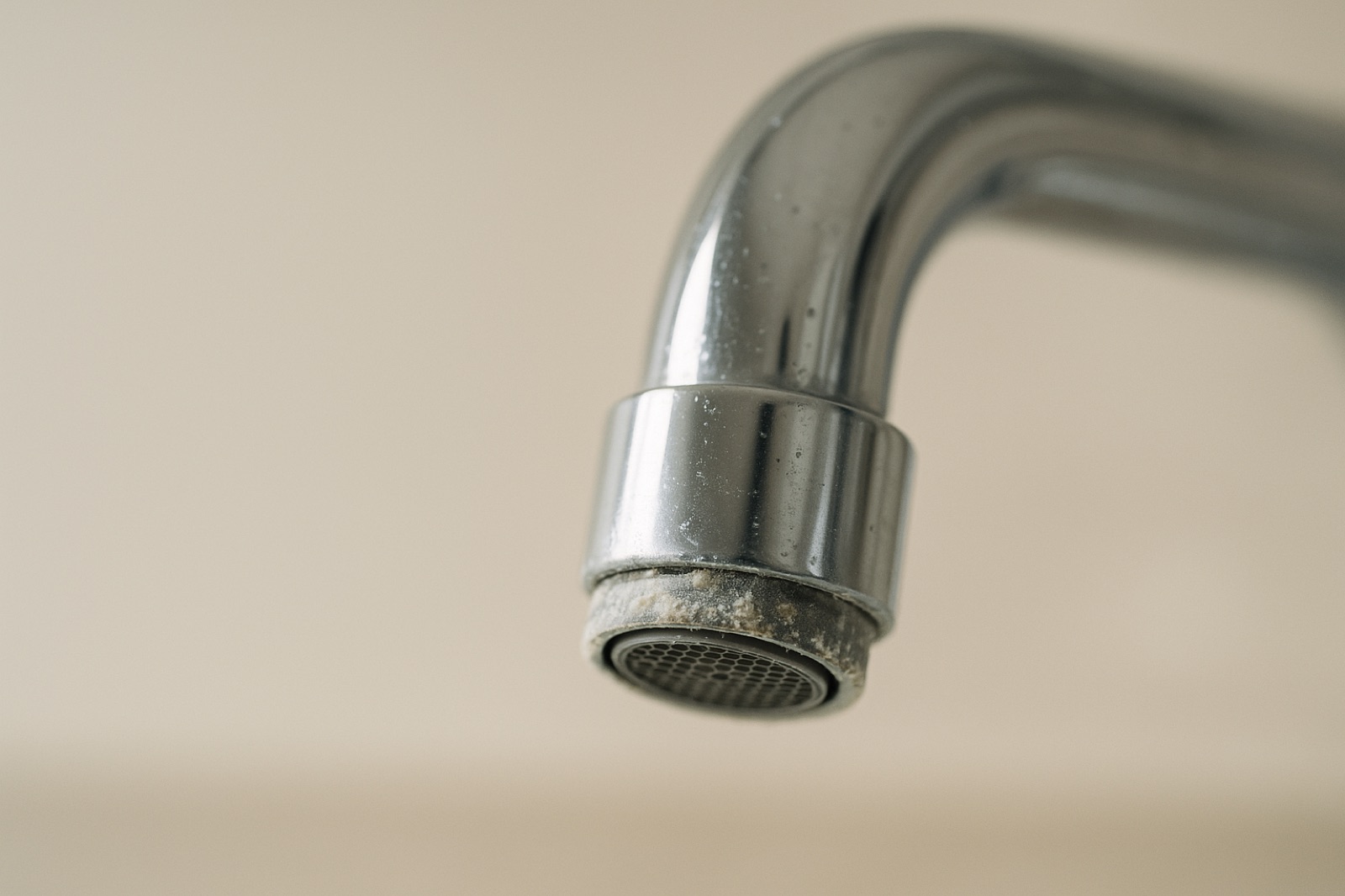
Scale on faucets, crust around showerheads, and mineral buildup in water-using appliances commonly make hardness the first issue to investigate. A softener is designed to address hardness minerals. It is not automatically the answer for chlorine taste, earthy odor, sediment, iron staining, or a laboratory result showing a specific contaminant.
Taste and odor complaints more often lead to filtration, but the correct filter depends on the cause. A filter selected only because its packaging promises “better tasting water” may not address the substance responsible. Staining is equally easy to misread. Orange, black, blue-green, and chalky white deposits do not all point to the same problem.
Contaminant concerns require the most disciplined approach. You cannot reliably identify lead, nitrate, arsenic, bacteria, or many other concerns by looking at, smelling, or tasting the water. Testing should define the target before you compare treatment claims.
Use this maintenance-first matrix
| Household clue | Likely starting point | Upkeep to consider |
|---|---|---|
| White scale and repeated mineral buildup | Hardness test, then consider a softener | Salt or other required supplies, brine tank checks, cleaning, and periodic service |
| Chlorine-like taste or odor throughout the house | Confirm the pattern, then evaluate appropriate filtration | Filter replacement, flow monitoring, and housing sanitation where required |
| Unpleasant taste at one drinking tap | Test as needed, then consider point-of-use filtration | Cartridge changes on schedule and attention to reduced flow |
| Orange, black, or blue-green staining | Test for likely causes before choosing equipment | Cleaning or media replacement based on the treatment selected |
| A named contaminant in a test result | Choose certified treatment that specifically addresses that contaminant | Timely replacement, possible follow-up testing, and adherence to operating limits |
| Hardness plus a separate taste, odor, or contaminant issue | A softener and filter may both be appropriate | Two maintenance routines, adequate installation space, and coordinated service |
This comparison shows why “softener versus filter” is sometimes the wrong contest. The devices perform different jobs. If testing confirms both hardness and a filtration target, the practical choice may be both. If only one problem is confirmed, buying both adds cost and maintenance without a defined purpose.
Bring a testing checklist to the decision
Before requesting estimates, write down where each symptom appears, when it started, whether hot and cold water are affected, and whether neighbors notice the same issue. Note whether your home uses a private well or a public water supply. Gather any available utility water quality report, previous laboratory results, and equipment records.
Then test for the problem you are actually trying to solve. Use an appropriate laboratory when the concern cannot be settled by a basic field measurement. Ask any equipment seller to connect the proposed system to a specific result, explain its capacity and operating limits, and provide a written maintenance schedule. If you need help defining the tests and treatment target, schedule a professional water assessment.
Also ask what happens during a power interruption, how the system bypass works, how much water it uses during cleaning or regeneration, which replacement supplies are proprietary, and what a typical service visit includes. These questions reveal the ongoing household commitment more clearly than a list of features.
Let the routine break the tie
The Home Water Report's current audience snapshot includes 3,226 page views, 1,068 visitors, 1,265 search crawls, and 2,891 AI crawls. No assist or customer relationship management data was supplied, so those figures cannot show which purchases readers ultimately made. They do show sustained discovery around practical water guidance, making it especially important to separate a useful decision process from a sales pitch.
For Erica and any homeowner standing in front of competing treatment proposals, the best system is not the one with the longest feature list. It is the one that addresses a confirmed problem and has an upkeep routine your household can realistically follow.