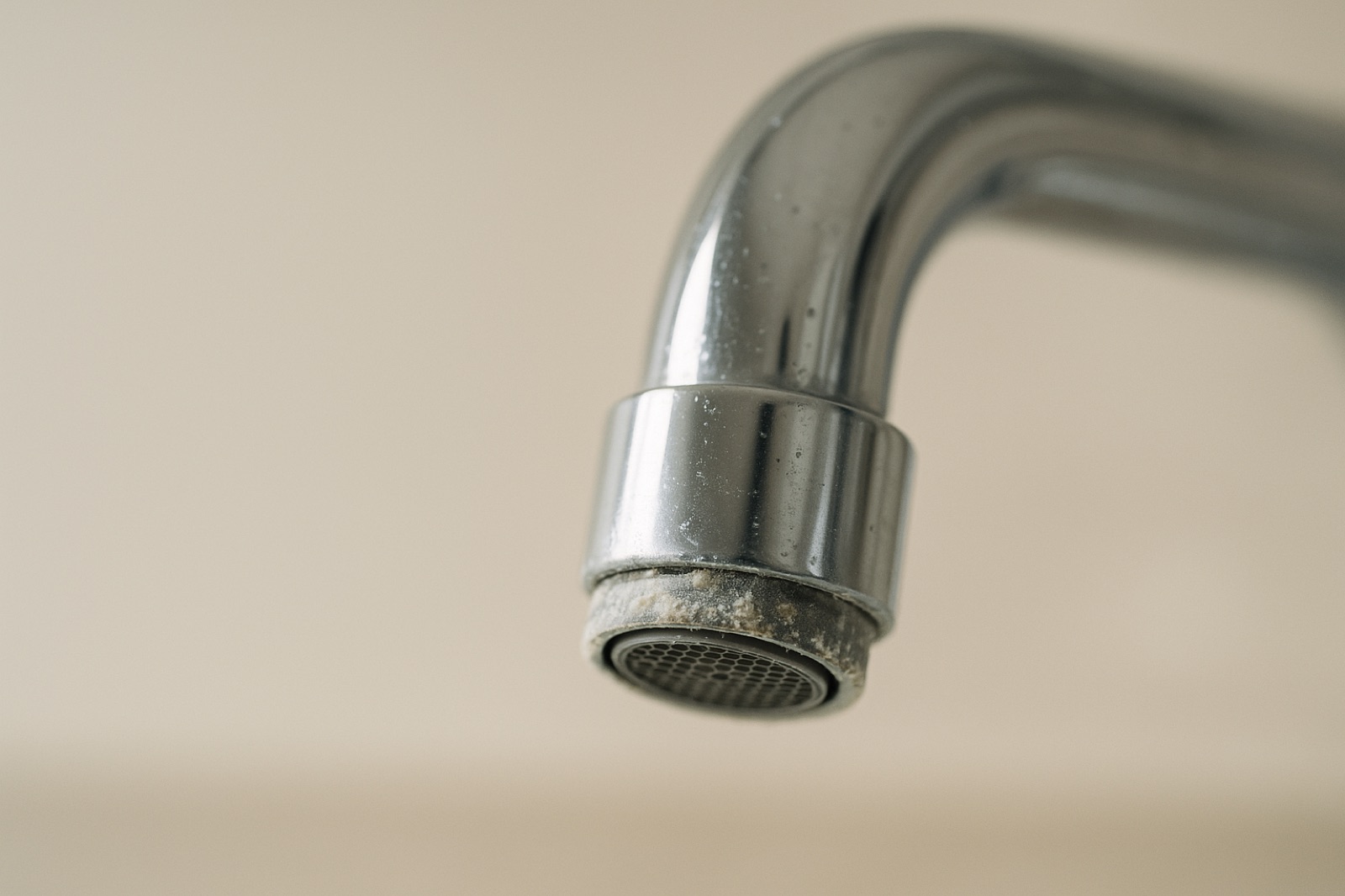
A water treatment system can work exactly as designed and still leave you disappointed. The softener may stop mineral scale while your drinking water keeps its unwanted taste. A filter may improve that taste while white deposits continue collecting on faucets. The equipment did its job. It simply was not the job you had in mind.
This distinction matters whenever water captures public attention. In a September 10, 2026 report on a catastrophic flood in Nepal, Circle of Blue writer Keith Schneider described water, mud, and boulders moving with such force that the scene appeared unreal. That disaster is vastly different from a household water complaint, but it reinforces a useful principle: what water looks like does not necessarily tell you what caused the problem. At home, visible residue, color, and cloudiness are clues, not diagnoses.
Start with what you refuse to leave unfixed
Instead of asking whether a softener or filter is better, name the result you expect after installation. Do you want less scale on fixtures? Better-tasting drinking water? No rusty laundry stains? Greater confidence about a specific contaminant?
Then ask what would remain if you bought only one device. This leftovers test exposes mismatches before they become expensive.
| Your main complaint | Softener | Filter | Likely leftover problem |
|---|---|---|---|
| White scale and spotted dishes | Often the right category when testing confirms hardness | A typical taste and odor filter does not soften water | Choose only filtration and scale may remain |
| Chlorine-like taste or odor | Not designed for this job | Activated carbon may help when properly selected and maintained | Choose only softening and the taste may remain |
| Orange, brown, or black staining | May help in limited situations, depending on the substance and concentration | Requires media selected for the confirmed cause | Either generic choice may leave staining untouched |
| A named contaminant | Do not assume removal | Performance depends on the filter technology and its certification | A broad "whole-house filter" label may not cover your target |
| Scale plus unwanted taste | Handles the hardness side | Handles the taste side when matched correctly | One device may solve only half the complaint |
Use symptoms to decide what to test
Scale: Look for chalky deposits at several hot-water fixtures, not just one faucet. Note weak lather and recurring buildup in appliances that heat water. Ask for a hardness result before sizing a softener.
Taste: Compare cold water from multiple taps. Remove and clean a faucet aerator, then check again. Record whether the taste appeared suddenly, follows plumbing work, or occurs only after water sits overnight. Taste alone cannot identify a contaminant.
Odor: Check whether it occurs in hot water, cold water, or both. An odor isolated to hot water may point you toward the water heater or hot-water plumbing rather than a whole-house filter. Avoid smelling water closely if you suspect fuel, solvents, or another hazardous chemical.
Staining: Photograph the color and location before scrubbing. Orange-brown, black, blue-green, and chalky white marks can have different causes. Test for the suspected substance instead of asking a salesperson to identify it from color alone.
Contaminants: Do not wait for a taste, smell, or stain. Many concerns have no obvious sensory warning. Use your utility's water quality information if you receive public water. Private-well owners should choose testing based on local conditions, the well, nearby land uses, and any recent flooding or repairs.
A testing checklist before you request quotes
Write down your water source, every affected fixture, when the problem began, and whether it involves hot water, cold water, or both. Collect any utility reports or previous laboratory results. Decide whether you need a screening panel or analysis for a specific concern. For results you will use to select equipment, follow the laboratory's sampling directions and use the untreated water point it recommends.
When comparing proposals, require each seller to name the measured problem, the treatment process, the expected result, the maintenance schedule, and the limitation that matters most. For contaminant reduction, look for certification covering the specific substance and operating conditions, not merely a certification logo somewhere on the product page.
If the symptoms overlap or the results are difficult to interpret, schedule a professional water assessment before choosing equipment.
Buy the combination your evidence supports
A softener and filter are not competitors when your home has two different problems. They are separate tools. You may need one, both, or neither. The best shortlist is the one that explains not only what each system will fix, but also what you should expect to remain after it is installed.