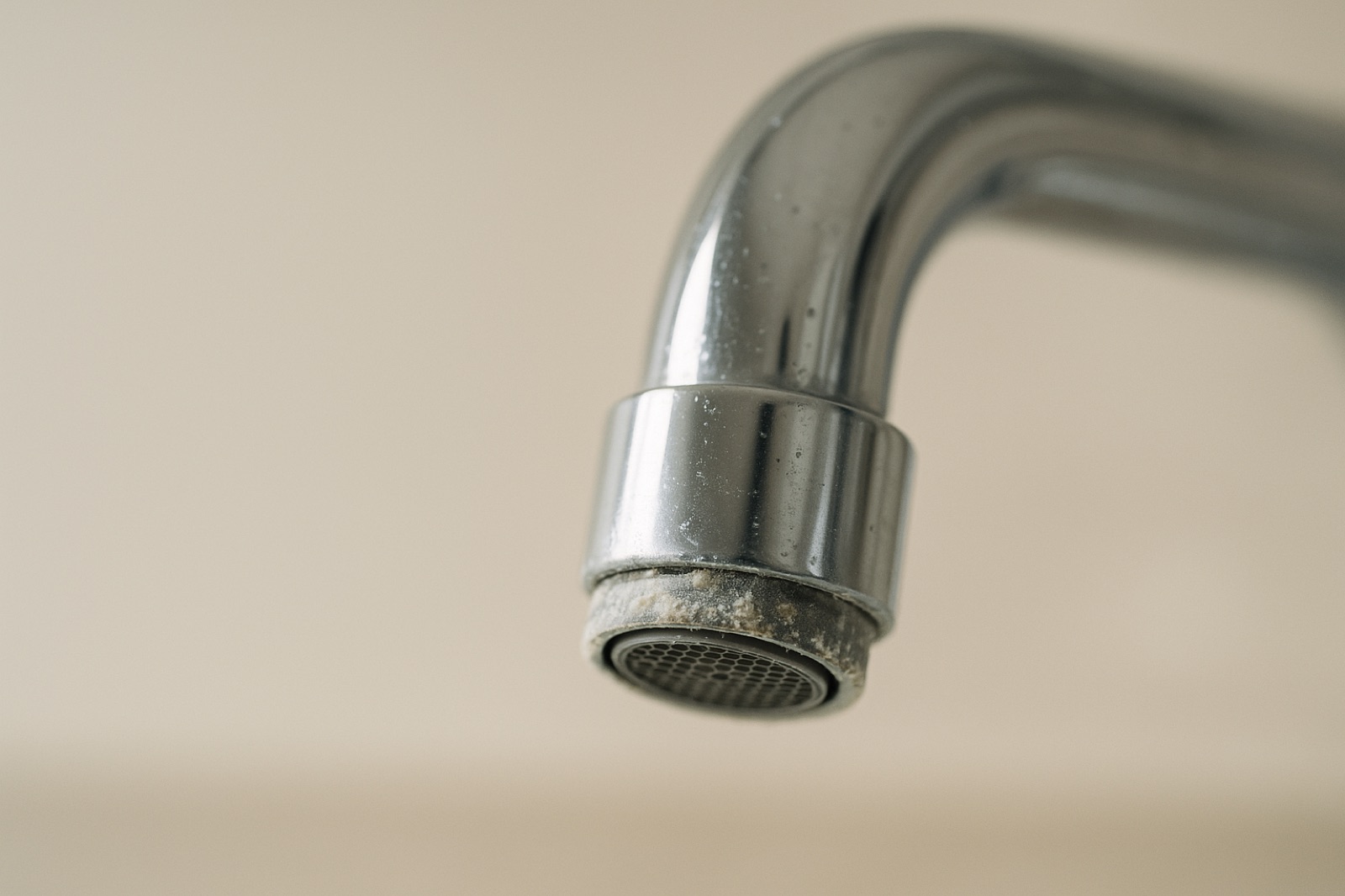
As a homeowner, keeping your family safe is your top priority, and this includes ensuring the water you drink and use daily is of the highest quality. Water testing is a simple yet effective way to monitor the safety of your water supply. It allows you to identify potential contaminants that could affect your health and home.
Why Water Testing Matters
Many homeowners assume their tap water is safe, but this is not always the case. Contaminants such as bacteria, heavy metals, and other harmful substances can sometimes make their way into municipal supply or well water. In addition, as climate change accelerates, changes in weather patterns can exacerbate water quality issues. For instance, it has been reported that extreme heat is pushing many regions to grapple with the consequences of climate change, which can affect water supplies and quality. As Mark Wolfe points out in a recent piece for The Guardian, the divide between those who can adapt to severe weather and those who cannot is becoming increasingly clear.
What to Test For
When testing your water, there are several key contaminants you should look out for:
- Microorganisms: Bacteria like E. coli can lead to serious health issues.
- Heavy Metals: Lead and copper can leach into your water supply from plumbing systems.
- Pesticides: Runoff from agricultural areas can introduce harmful chemicals into your water.
- pH Levels: Water that is too acidic or alkaline can cause corrosion in pipes and affect taste.
When and How to Test
It is recommended to test your water at least once a year. However, if you notice changes in taste, smell, or appearance, or if there has been flooding in your area, you should test your water immediately. Testing kits are available for purchase at home improvement stores or online, allowing you to perform the tests yourself. For more comprehensive results, you can send samples to a certified laboratory.
Adapting to Changes in Water Quality
As California is experiencing one of its highest shark numbers in years due to warmer waters, it's a reminder of how climate change is affecting ecosystems and, by extension, water quality. As noted in another article from The Guardian, the El Niño phenomenon is causing shifts in marine life migration patterns, which can also impact local water sources.
Keeping track of your water quality is especially important during these times of ecological change. If you find contaminants in your tests, consider solutions like water filtration systems or water softeners to improve your water quality. Water filtration can help remove harmful substances, ensuring your drinking and household water is safe.
Conclusion
Regular water testing is a proactive step in maintaining the quality of your home’s water supply. By staying informed about your water quality and understanding potential changes, you can safeguard your family's health and enhance your home's overall safety. With ever-shifting environmental conditions, it is more important than ever to be vigilant about the water you consume. Make water testing a habit, and you will ensure a healthy, safe, and refreshing supply for your home.