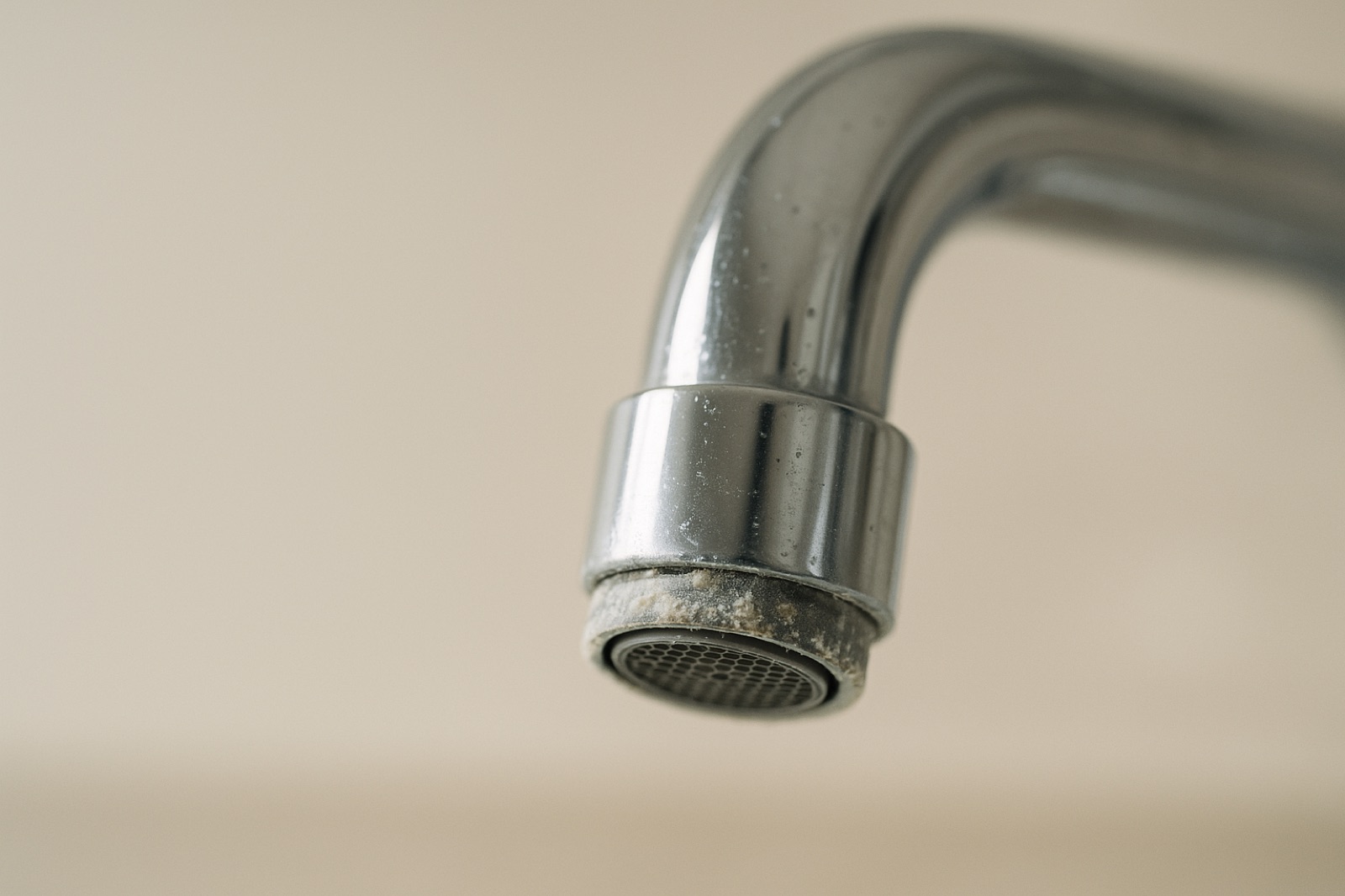
When you turn on your tap, do you think about the quality of your water? For many homeowners, hard water is a common issue that can impact everything from the taste of your drinking water to the longevity of your plumbing and appliances. Softening your water can make a significant difference, and this guide will help you understand whether it's the right choice for you.
What Is Hard Water?
Hard water contains high levels of minerals, primarily calcium and magnesium. While these minerals are not harmful to your health, they can lead to a range of problems in your home. You might notice soap scum lingering on your dishes, spots on your glassware, or even a buildup of scale in your pipes and appliances. If you've experienced these issues, you may be dealing with hard water.
The Benefits of Water Softening
Water softeners work by replacing the calcium and magnesium ions in hard water with sodium ions. This process can deliver several benefits. One of the most immediate changes you might notice is the improved lathering of soaps and shampoos, which many homeowners find to be a game changer. Additionally, softened water can help prevent scale buildup in your plumbing and appliances, potentially saving you money on repairs and replacements.
Choosing the Right Water Softener
When selecting a water softener, you'll encounter various types, including salt-based systems, salt-free systems, and dual-tank systems. Salt-based systems are the most common and typically offer the most effective results. However, salt-free systems can be appealing for those looking for low-maintenance options.
It's important to consider the size of your household and your water usage when selecting a unit. Many manufacturers provide sizing guides to help you choose the right model based on your specific needs. Additionally, ensure that the system you pick meets your budget while still offering long-lasting benefits.
Installation and Maintenance
Installation can be a straightforward process for some homeowners, but it may require professional help if you're not comfortable working with plumbing. Keeping your water softener maintained is crucial for optimal performance. This typically involves regular salt replenishment for salt-based systems and occasional cleaning or monitoring for salt-free systems.
Environmental Considerations
While water softening has many benefits, it's essential to think about the environmental impact. Salt-based systems can introduce sodium into the wastewater, which may affect local water systems. If you're concerned about this, salt-free alternatives might be a better fit for your home.
Recent Trends in Water Quality
It's worth noting that water quality issues are increasingly being discussed in the media. For instance, a recent article in The Guardian highlighted how changes in environmental conditions, such as the El Niño climate phenomenon, affect not only marine life but also the quality of water systems around the world. These shifts emphasize the importance of having a reliable system for your home.
Final Thoughts
In conclusion, if you find that hard water is causing issues in your home, investing in a water softener can lead to a more comfortable living environment. By softening your water, you can improve the efficiency of your plumbing, enhance the taste of your drinking water, and make household chores easier. Take the time to evaluate your needs and options, and you may find that softening your water is a worthwhile investment for your home.