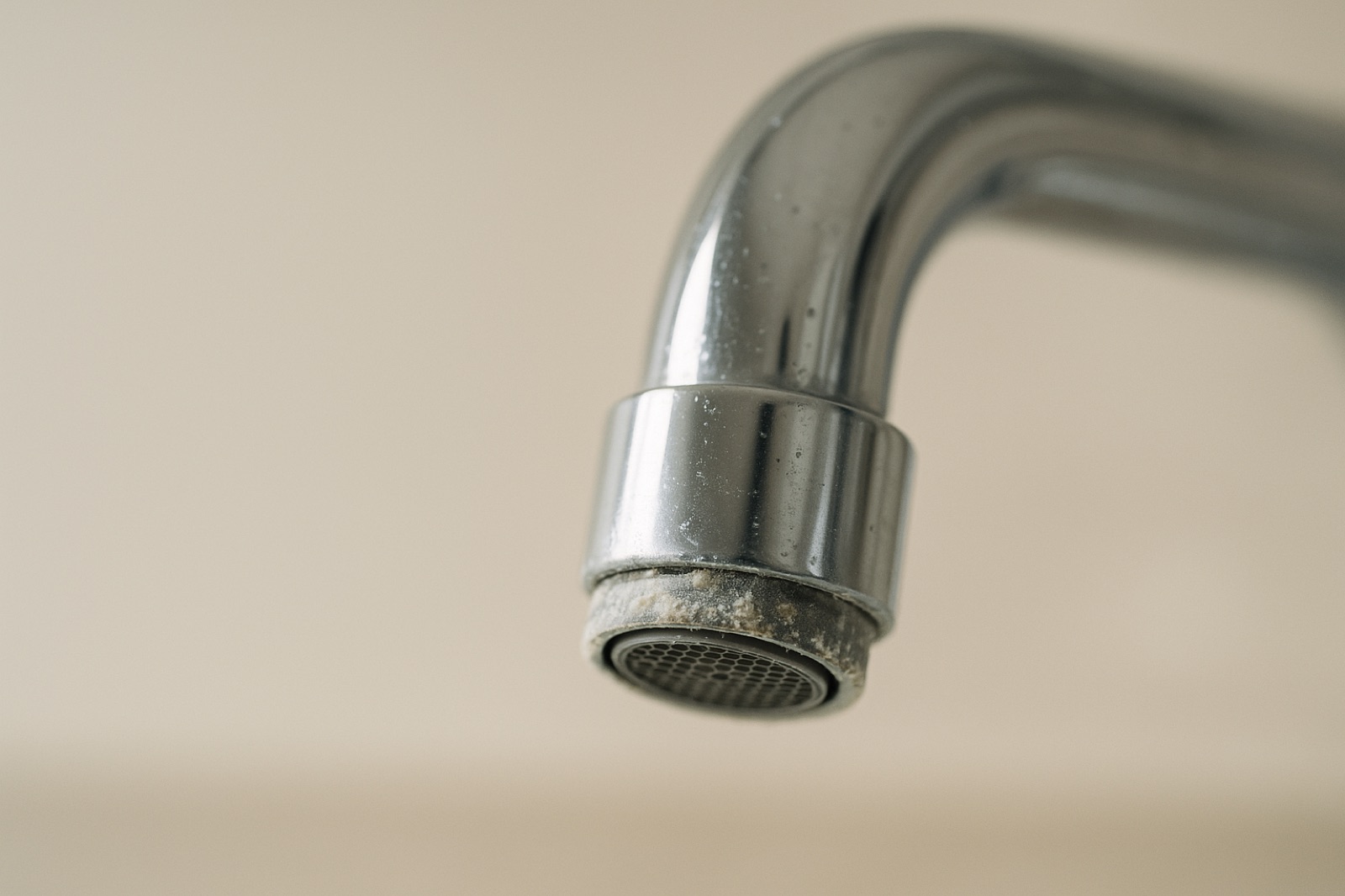
Have you noticed white scaling on your faucets or showerheads? Or perhaps your laundry feels stiff and your dishes never seem to come out sparkling clean? If hard water is a concern in your home, you might want to explore water softening solutions. This guide offers practical insights to help you decide if a water softener is right for you.
What is Hard Water?
Hard water is water that contains high levels of dissolved minerals, mainly calcium and magnesium. These minerals can originate from natural sources, like the soil and rocks the water passes through, or from municipal water supplies. While hard water is not necessarily harmful to your health, it can lead to various issues in your home.
Why Consider Water Softening?
Investing in a water softener can provide several benefits. Here are a few key advantages:
- Improved Appliance Lifespan: Hard water can shorten the lifespan of appliances like dishwashers, washing machines, and water heaters. By softening your water, you can reduce mineral buildup that often damages these appliances.
- Cleaner Dishes and Laundry: Softened water allows soaps and detergents to work more effectively. This means your dishes will come out cleaner and your laundry will feel softer. You may even find that you can use less detergent overall.
- Better Skin and Hair: Many people with hard water report that their skin feels dry and their hair is less manageable. Soft water can help alleviate these issues, making your bathing experience more enjoyable.
How Do Water Softeners Work?
The most common type of water softener uses a process called ion exchange. In this process, hard minerals are exchanged for sodium ions. Here's how it generally works:
- Water flows through a tank filled with resin beads that are coated with sodium ions.
- As the hard water passes through, calcium and magnesium ions attach to the resin beads, and sodium ions are released into the water.
- Eventually, the resin beads become saturated with calcium and magnesium and need to be regenerated, which is done using a salt solution to refresh the beads.
Considerations When Choosing a Water Softener
When selecting a water softener, keep the following factors in mind:
- Size: Choose a unit that can handle your household's water usage. Systems are typically rated based on grain capacity, which refers to how much hardness they can remove before needing regeneration.
- Type: There are different types of water softeners, including salt-based, potassium-based, and salt-free systems. Salt-based systems are the most common and effective for hard water.
- Cost: While water softeners can be an investment, consider the long-term savings on appliances and cleaning products. Installation costs can vary, so shop around for the best deal.
Environmental Considerations
As you consider a water softener, it's also important to think about the environmental impact. While softened water has many benefits, the sodium released into wastewater may not be ideal for your local ecosystem. Some areas are now offering salt-free alternatives that condition water without adding sodium.
Conclusion
Ultimately, the decision to install a water softener depends on your specific needs and circumstances. If hard water is causing issues in your home, it may be a worthwhile investment to enhance your water quality and improve your daily life.
As we face shifting environmental conditions, like the effects of El Niño heating waters off the coast, water quality remains crucial for our homes and communities. In California, for example, the changing climate is already influencing local water conditions, as reported in The Guardian. It’s clear that maintaining quality water is an ongoing challenge that requires our attention.
By understanding the benefits of water softening and making informed choices, you can ensure that your home’s water is as clean and enjoyable as possible.