Water treatment gets confusing when every product seems to promise better water. The simplest way through the noise is to separate two jobs: a water softener addresses hardness minerals, while a water filter targets particular substances, tastes, or odors. One cannot automatically do the work of the other.
This distinction matters as water supply concerns receive wider attention. Circle of Blue reported on the August 27, 2026 launch of a live Colorado River water crisis information project. The story says the project brings together data, information, and context about the river. That regional crisis does not prove that your tap water is unsafe, and it does not identify which treatment equipment your house needs. It does reinforce a useful homeowner habit: start with evidence about your own water and choose equipment for a defined problem.
The problem-to-product matrix
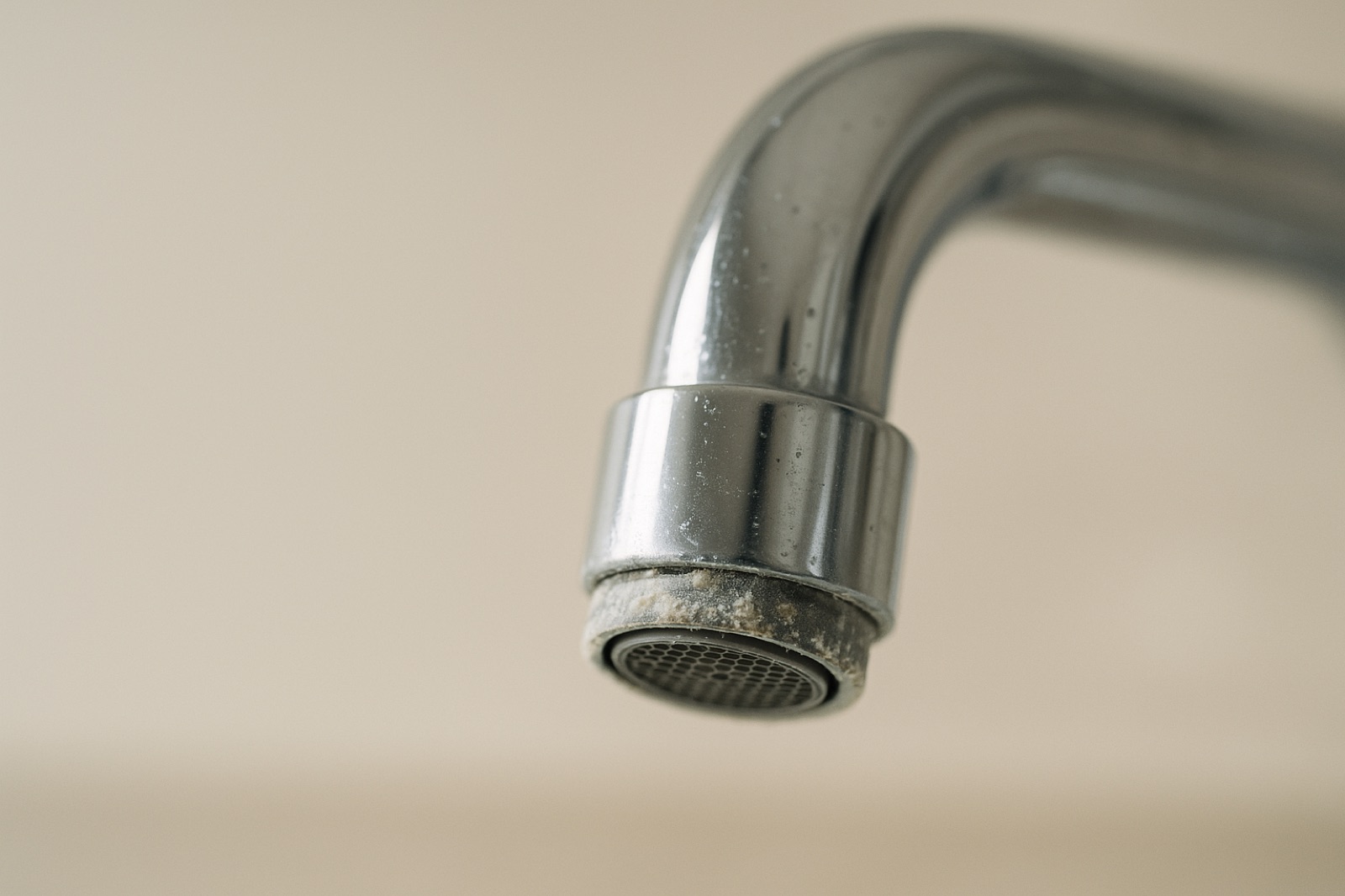
Choose a softener when: testing confirms hard water and you want to reduce scale on fixtures, inside water heaters, and in water-using appliances. Common clues include stubborn mineral spots, crust around faucets, and soap that performs poorly. Those clues are useful, but a hardness test gives you a better basis for sizing a system.
Choose a filter when: you have identified something you want to reduce, such as sediment, chlorine taste, or a contaminant found by appropriate testing. Filter selection must match the target. A sediment cartridge, activated carbon system, and reverse osmosis unit perform different jobs.
Choose both when: your water is hard and you also have a separate filtration goal. The systems can work as a treatment train, with each component assigned a specific task. The correct order depends on the water conditions and equipment, so confirm the proposed layout before buying.
Choose neither, for now, when: you have no verified problem and are satisfied with your water. Testing or reviewing your utility's water quality report may be more useful than purchasing equipment based on a sales demonstration.
Your testing checklist
If you receive municipal water, begin with the current consumer confidence report from your utility. Then consider a certified laboratory test when you have a specific concern, unusual taste or odor, recurring sediment, older plumbing, or a result that needs confirmation. Private well owners are responsible for monitoring their own supply and should base the test panel on local conditions and guidance from relevant public agencies.
Before requesting quotes, collect five pieces of information:
1. Your measured hardness level.
2. Any laboratory results for substances you want to reduce.
3. Your household's typical and peak water use.
4. The plumbing location, drain access, electrical access, and available space.
5. The treatment unit's independent certification for the claimed reduction or performance.
A countertop meter or in-home sales test can provide limited screening information. It is not a substitute for a laboratory analysis when a result could drive an expensive purchase.
Compare ownership, not just purchase price
A softener usually brings ongoing salt or potassium purchases, periodic cleaning, electricity use for many models, and extra water used during regeneration. You also need to check the brine tank and arrange service if valves or controls fail.
A filter may require cartridges, replacement media, membrane changes, sanitizing, or professional service. Some systems also send water to a drain. Replacement frequency depends on the equipment, water use, and incoming water quality, so a vague promise of a filter lasting for years is not enough.
Ask every seller for a written annual cost estimate covering consumables, expected service, warranty exclusions, and estimated wastewater. Compare that with the price of addressing only the taps where filtered water is needed. A kitchen unit can be more practical than whole-house filtration when your goal is limited to drinking and cooking water.
Three household scenarios
If your fixtures collect scale but testing finds no separate filtration concern, a properly sized softener may be enough. If hardness is modest but your drinking water has an objectionable disinfectant taste, a certified carbon filter may fit better. If you have confirmed hard water plus a separately identified drinking-water concern, combining systems may make sense.
Interest in this decision is measurable at The Home Water Report: the site has recorded 1,046 visitors, 1,261 search crawls, and 2,937 AI crawls. No conversion assists are available, so those figures show discovery activity, not proof that any particular product produces better outcomes.
Your best next move is to write down the problem, verify it, and compare treatment options for your home using the same test results and household requirements for every proposal. When each piece of equipment has a clear job, it becomes much easier to reject unnecessary features and understand what you will pay to maintain.