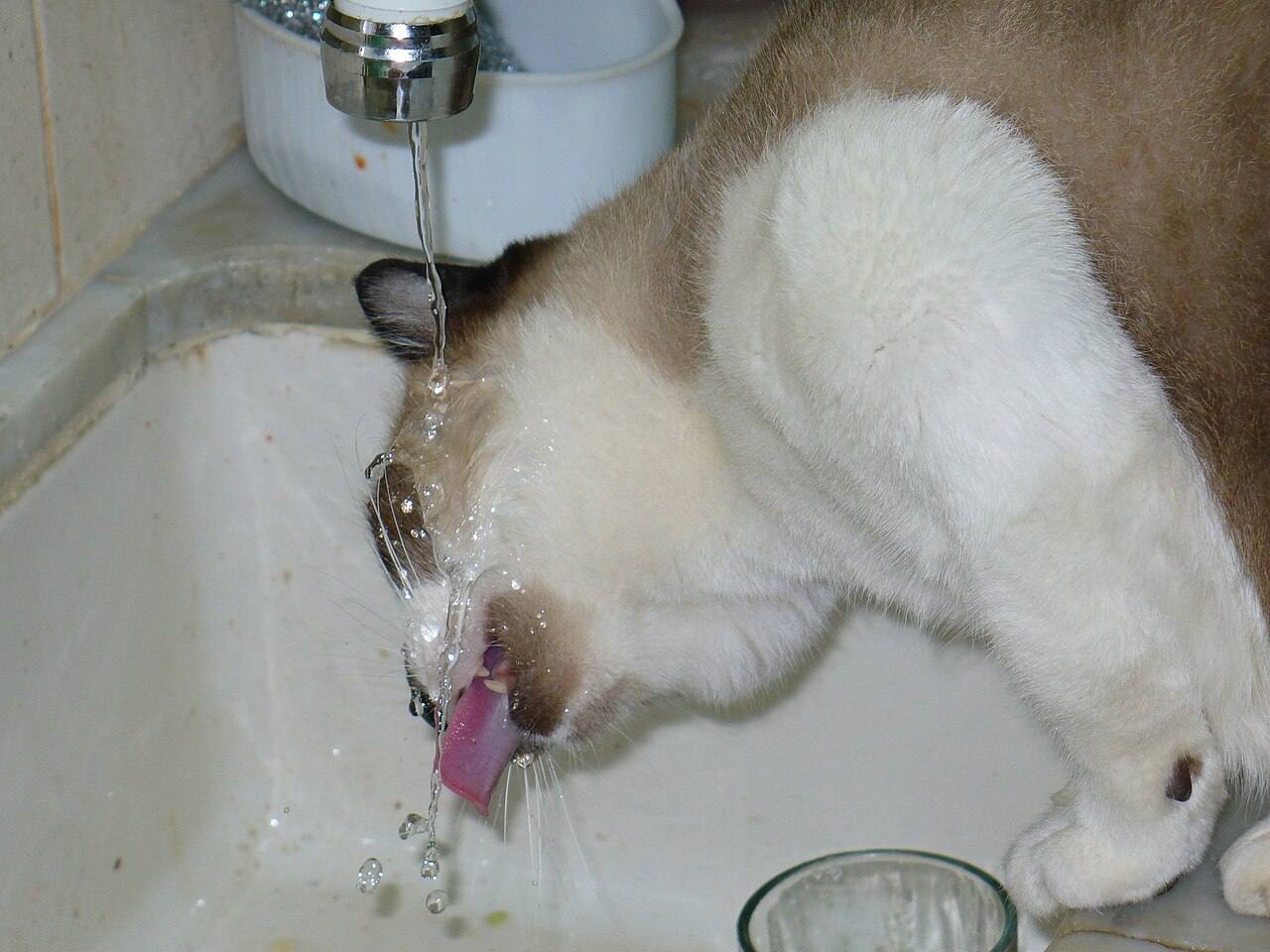
Water is essential for our daily lives, from cooking and cleaning to bathing and watering our gardens. Yet, the increasing frequency of water shortages, as experienced recently in Puerto Rico, poses real challenges for homeowners. In cases where water availability is disrupted, understanding your options and planning ahead is crucial.
What Causes Water Shortages?
Water shortages can occur for a variety of reasons. Natural disasters, such as hurricanes or droughts, can severely damage water infrastructure. For instance, in Puerto Rico, residents have faced significant water outages following a pipeline rupture, illustrating how quickly the situation can escalate. The frustrations of homeowners in San Juan, as noted by The Guardian, show the impact on daily life when water is scarce.
How Can Homeowners Prepare for Water Shortages?
Preparation is key to mitigating the impact of water shortages. Here are some practical steps you can take:
- Store Water: Keep a stock of bottled water for drinking. Additionally, consider having containers for storing water for cooking or cleaning purposes.
- Install Water Filtration Systems: A good filtration system can provide a reliable source of clean water. Depending on your needs, you may opt for whole-house filters or point-of-use options.
- Use Water Wisely: Be mindful of your water usage. Fix leaks, use water-efficient appliances, and practice mindful watering in your garden.
- Stay Informed: Keep an eye on local news and updates regarding water availability and any potential disruptions.
What Should Homeowners Know About Water Filtration?
When water shortages occur, it is vital to ensure the quality of the water you have. This is where filtration comes into play. A suitable filtration system can help you remove contaminants and improve the taste and smell of your water. Here are a few options to consider:
- Activated Carbon Filters: These filters are excellent for improving taste and removing odors. They can be installed at the point of use, such as under the sink or on a countertop.
- Reverse Osmosis Systems: For more comprehensive filtration, reverse osmosis systems can remove a wide range of contaminants, including heavy metals and certain chemicals.
- Whole-House Filtration Systems: If you want to ensure that all the water in your home is treated, a whole-house system might be the way to go. These systems can help filter out sediment and other impurities before water even reaches your taps.
What Other Factors Should Homeowners Consider?
While water filtration is essential, it's also important to consider the broader implications of water shortages. In places facing ongoing challenges, such as Puerto Rico, the frustration of residents highlights how crucial reliable water sources are for business and community life. As Jonathan Collazo, a restaurant owner in San Juan, experiences firsthand, the strain on businesses can severely impact the economy and community dynamics.
Additionally, being proactive about your water needs can save you money in the long run. Investing in a good filtration system or water storage solution now could protect you against future shortages.
Conclusion
Water shortages present significant challenges for homeowners, but with a little preparation and awareness, you can better safeguard your household against potential disruptions. By understanding your options - whether it is through smart storage solutions or effective filtration systems - you can ensure that your home remains a haven of comfort and safety, even in the face of scarcity.
For more on the situation in Puerto Rico, read The Guardian's article, ‘As if a hurricane had passed’: Puerto Ricans at breaking point after weeks without water, here.