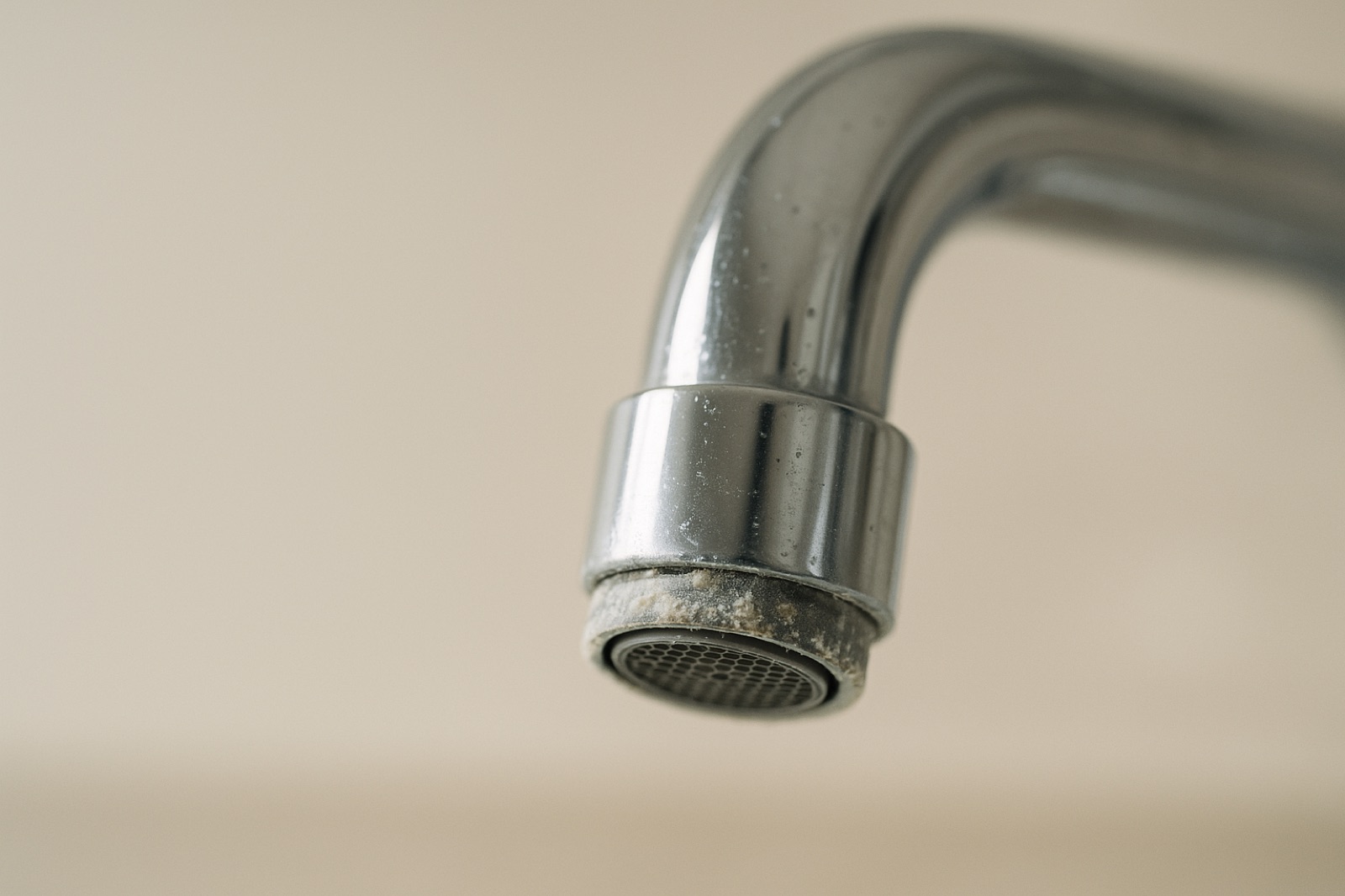
In recent months, water scarcity has become a pressing concern for many communities, especially in places like Puerto Rico, where residents have been struggling with water outages due to pipeline ruptures. Jonathan Collazo, a local restaurant owner in San Juan, described the situation as “as if a hurricane had passed,” highlighting the severe disruptions to daily life for both residents and businesses alike. Such realities are raising questions for homeowners nationwide about their own water security and management strategies.
Understanding Water Scarcity
Water scarcity occurs when there is insufficient freshwater available to meet the demands of consumers. This can be attributed to a variety of factors including climate change, infrastructure failures, and over-extraction of water resources. In Puerto Rico, the recent crisis has been exacerbated by a ruptured pipeline, leading to increased costs and frustration among residents as they seek reliable water sources. The impact of such shortages can ripple through communities, affecting everything from personal hygiene to food preparation and overall health.
How Homeowners Can Prepare
As a homeowner, it’s vital to understand the potential risks and be proactive in managing your water supply. Here are some practical steps you can take to ensure you have access to clean and reliable water:
- Invest in a Water Storage System: Having a backup water supply can be invaluable during shortages. Consider investing in a rain barrel system or a professionally installed water tank that can collect and store water for emergencies.
- Install a Water Filtration System: Beyond storage, a filtration system can help ensure the quality of your water is safe for drinking and cooking. Look for systems that can effectively remove contaminants that may be present in your supply.
- Regularly Monitor Your Water Quality: Testing your home water periodically can alert you to potential issues. Home testing kits are available for various contaminants, including bacteria, lead, and harmful chemicals.
- Stay Informed About Local Water Issues: Follow local news and community bulletins to stay updated on any potential water crises or infrastructure changes, similar to the situation currently unfolding in Puerto Rico.
Building Community Resilience
Communities facing water scarcity can benefit from collective action. Engaging with neighbors to discuss water conservation strategies and sharing resources like rainwater collection systems can strengthen your community’s resilience. Additionally, advocating for local infrastructure improvements and sustainable water management practices can lead to long-term solutions.
As highlighted in a recent Guardian article, the pressure is mounting on water utilities to address these systemic issues. Homeowners have a critical role in demanding accountability while also protecting their own households from water shortages.
Final Thoughts
Water is a fundamental resource that many of us take for granted until it becomes scarce. By taking proactive measures, staying informed, and advocating for community solutions, homeowners can navigate the challenges of water scarcity more effectively. Whether you are in an area currently facing shortages or simply preparing for the future, now is the time to consider how you can contribute to a more secure water supply for your home.