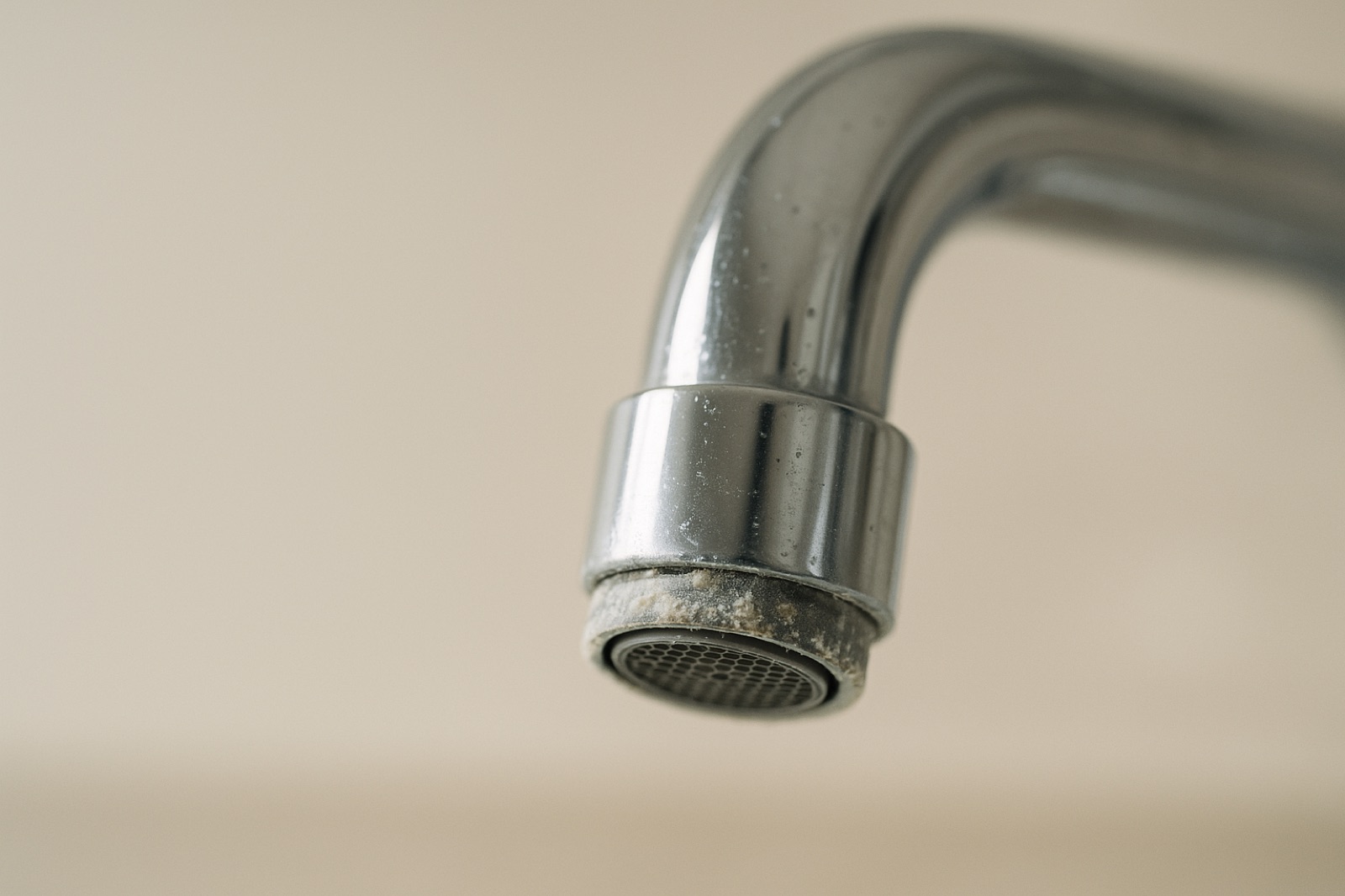
Water is a vital resource, yet many parts of the world are experiencing increasing shortages. Recent headlines highlight the severity of this issue, including a report on Puerto Rico where residents and businesses have been severely affected by weeks of water outages due to pipeline issues. As Jonathan Collazo, a restaurant owner in San Juan, faces these challenges, it raises an important question for homeowners: What can we do to ensure our water supply remains stable?
Understanding Water Scarcity
Water scarcity occurs when the demand for water exceeds the available supply. This can be caused by a range of factors including climate change, population growth, and infrastructural failures, as seen in Puerto Rico. When water becomes scarce, the implications can be profound, not only for daily living but also for overall property value and local economies.
The Impact on Homeowners
For homeowners, the consequences of water shortages can manifest in various ways. First and foremost, it can affect your daily activities, from cooking and cleaning to maintaining your yard. If you've ever lived through a drought, you know that water restrictions can alter how you use water in your home. Beyond inconvenience, water shortages can drive up costs as local governments increase water rates to manage dwindling supplies.
Recent reports indicate that "pressure grows on water utility" companies during times of scarcity, leading to increased frustrations among residents. If you live in an area that is experiencing water shortages, it is wise to start thinking about how you can protect yourself and your property.
What Homeowners Can Do
As a homeowner, there are several strategies you can implement to prepare for potential water shortages. These proactive measures not only help you conserve water but can also save you money in the long run.
- Install Water-Saving Fixtures: Consider installing low-flow showerheads and faucets, as well as dual-flush toilets. These fixtures significantly reduce water usage without compromising performance.
- Collect Rainwater: If local regulations allow it, setting up a rainwater collection system can provide you with a sustainable water source for irrigation or other non-potable uses.
- Landscaping Wisely: Opt for drought-resistant plants in your garden. Native plants often require less water and maintenance, making them an excellent choice for water conservation.
- Monitor Your Usage: Keep an eye on your water bill and usage patterns. If you notice spikes, it might be time to investigate potential leaks or make further adjustments to your habits.
- Consider a Filtration System: If your local water quality is compromised, investing in a filtration system can ensure that you have access to clean water, even during shortages.
The Bigger Picture
As climate change continues to impact weather patterns and water availability, it is crucial for homeowners to be aware of these challenges. The situation in Puerto Rico, where shortages have led to increased costs and frustrations, serves as a reminder that water is a finite resource. As a homeowner, taking steps to ensure your water supply is sustainable can help you weather the storms that may come in the future.
Ultimately, being proactive about water management can enhance your quality of life and protect your investment in your home. By implementing these practical solutions, you can help secure your water supply and contribute to the broader effort of water conservation.
For more insights on this pressing issue, you can read about the ongoing water shortages in Puerto Rico in this article from The Guardian.