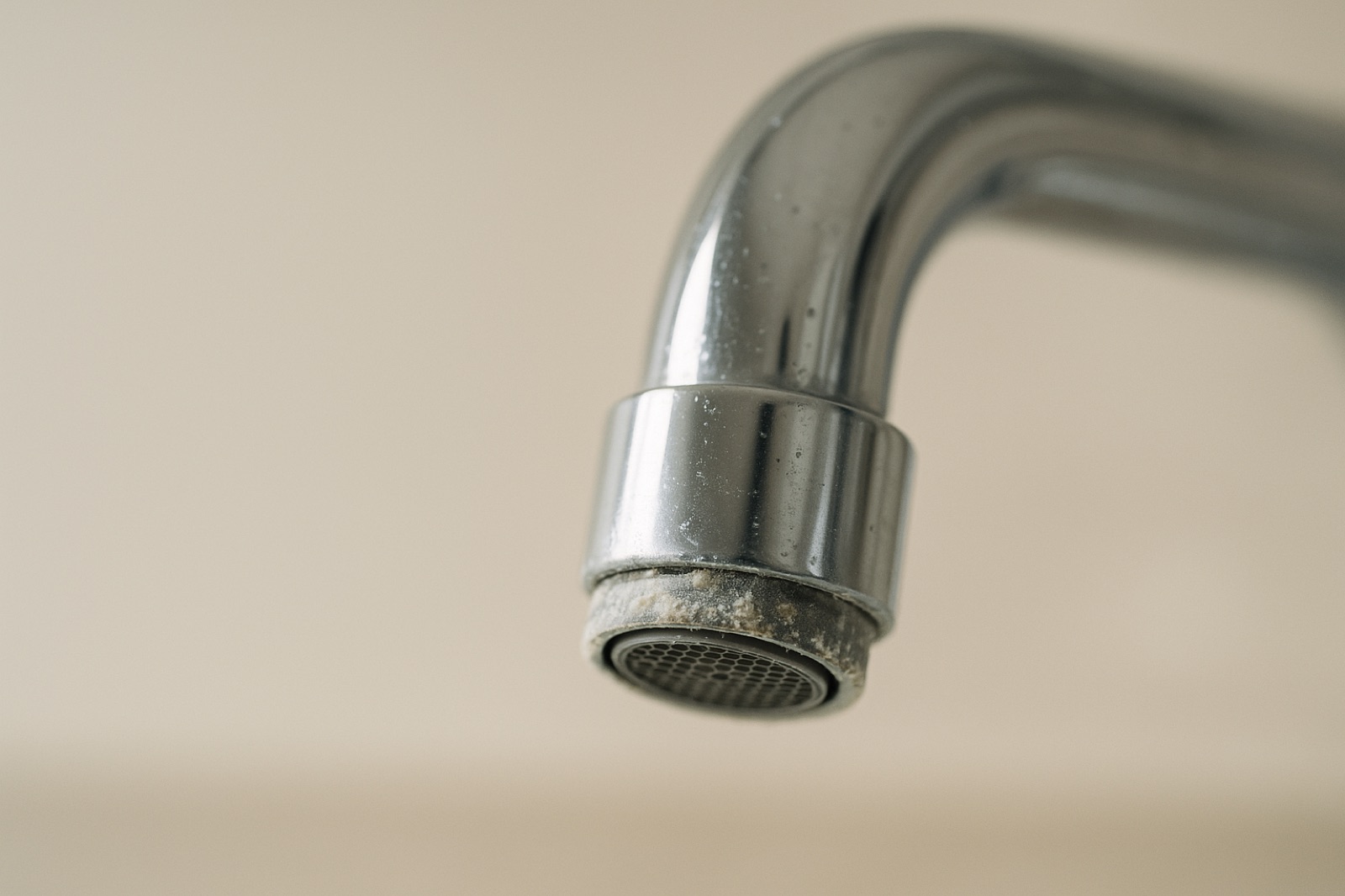
In light of recent events, such as the water shortages reported in Puerto Rico where residents faced challenges for weeks without clean water, it’s increasingly clear that homeowners must prioritize water quality in their daily lives. With climate change intensifying crises like these, it’s crucial to understand why monitoring and improving your home’s water quality is essential.
Why is Water Quality So Important?
Water is a fundamental resource for your home and health. The quality of your water can affect everything from cooking and cleaning to your overall well-being. Contaminants such as bacteria, heavy metals, and chemicals can seep into your water supply, often without you knowing until it’s too late. Investing in water filtration systems and conducting regular water tests can safeguard your home against these hidden dangers.
How Can Homeowners Ensure Water Quality?
Monitoring your water quality is the first step toward ensuring safe consumption. Many homeowners overlook this aspect, assuming that their municipal supply is sufficient. However, as highlighted in a recent report by The Guardian, even established systems can fail, leading to significant shortages and health risks.
To take control of your water quality, consider implementing these steps:
- Regular Testing: Conduct water tests every year to check for contaminants like lead, chlorine, and bacteria. Home testing kits are available, or you can send samples to a lab for comprehensive analysis.
- Filtration Systems: Depending on your water test results, you may want to invest in a whole-house filtration system or point-of-use filters to address specific contaminants.
- Stay Informed: Keep up with local water reports and advisories. Awareness of any changes in your community’s water supply can help you stay proactive.
- Maintenance: Regularly maintain your filtration systems and replace filters as needed. Just like any other appliance in your home, filters have a lifespan and efficacy that can diminish over time.
What Are the Risks of Not Addressing Water Quality?
Neglecting water quality can lead to serious health issues, which are often not immediately apparent. Contaminated water can cause gastrointestinal illnesses, reproductive problems, and neurological disorders. Moreover, the economic implications are significant. As water shortages become more common, homeowners may face increased costs to secure clean water. During the ongoing crises, such as those faced by residents in Puerto Rico, the economic strain coupled with the lack of resources can be overwhelming.
How to Choose the Right Filtration System?
Choosing a filtration system can seem daunting, but focusing on your specific needs can simplify the process. Begin with the results from your water tests. If your water has high levels of chlorine, a carbon filter might be adequate. For heavy metals, consider reverse osmosis systems. Research the options that best fit your household size and water usage.
Remember that some systems will require professional installation while others can be set up easily by homeowners. Don’t shy away from asking for help when needed; ensuring your family’s safety is worth it.
The Bottom Line
As we face a future where water crises may become more frequent, addressing water quality must be a priority for every homeowner. The steps you take now can prevent complications down the line, ensuring your home remains a safe and healthy environment. Whether it’s through regular testing, choosing the right filtration system, or staying informed about local water issues, taking action can protect you and your family.