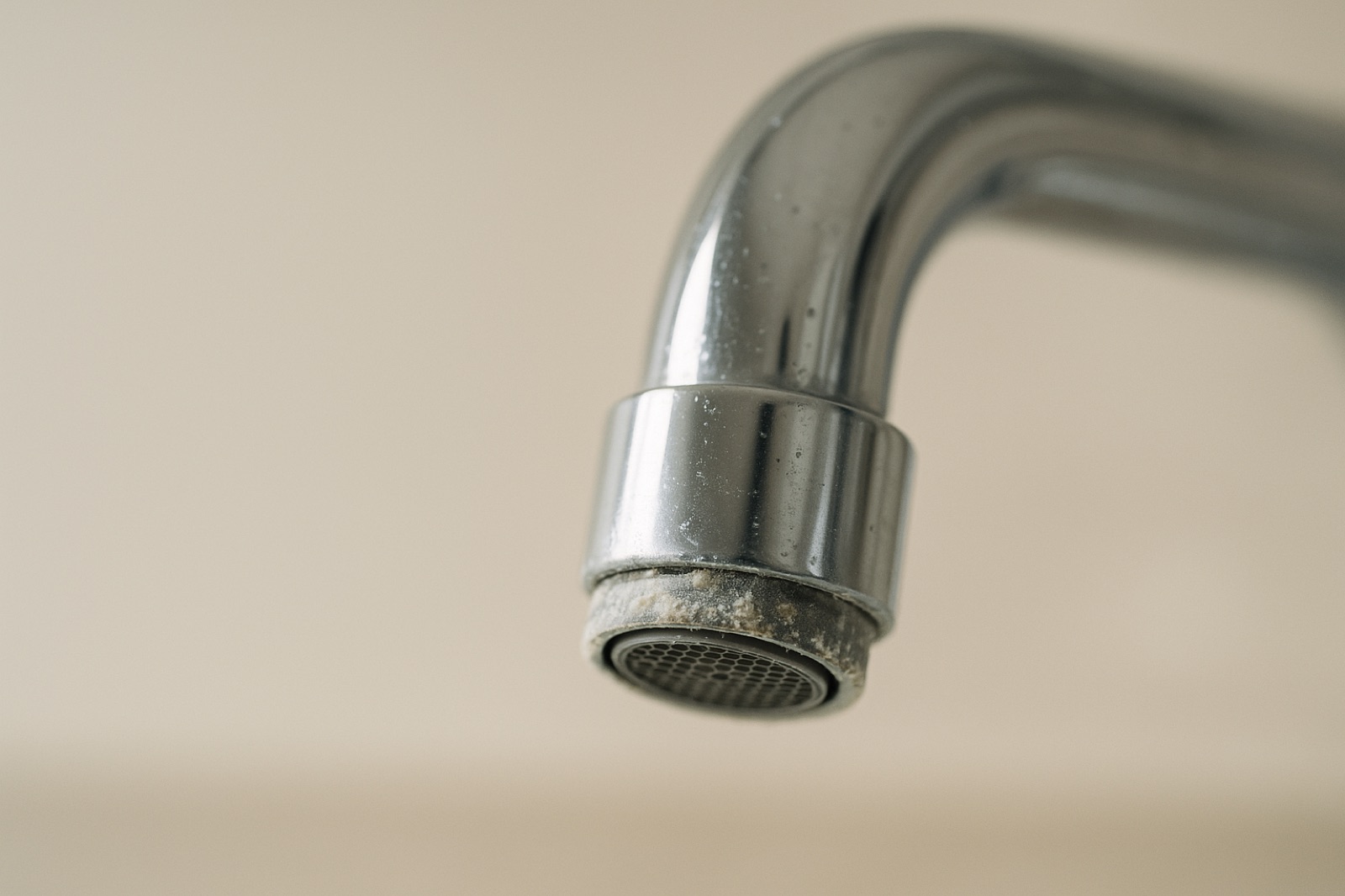
When your water leaves crust on a faucet, tastes unusual, smells unpleasant, or stains a sink, it is tempting to shop for equipment immediately. But those symptoms point to different problems, and the wrong device may leave the real issue untouched.
Timely attention matters when households are already dealing with environmental stress and possible utility interruptions. On September 11, 2026, The Guardian invited Americans to describe how they coped with a summer of record heat and whether they had experienced power cuts in its report on household experiences during extreme heat. That story does not establish that heat changes your water quality. It does reinforce a practical lesson: when home systems are under strain, you need to know what a water treatment device actually does and whether it depends on electricity, drainage, replacement filters, or regular maintenance.
The quick softener-versus-filter matrix
Scale on fixtures and appliances: Start by testing hardness. A conventional ion-exchange softener is designed to reduce hardness minerals. A typical carbon filter is not. If hardness is confirmed and scale is the main complaint, softening is usually the more relevant category.
Chlorine-like taste or odor: Look first at filtration, commonly activated carbon, after checking whether the issue occurs at every tap. A softener is not intended to remove disinfectant taste or odor.
Rotten egg or musty odor: Do not choose equipment from the smell alone. Note whether the odor appears in hot water, cold water, or both, and whether it affects every faucet. Those distinctions can point toward the water source, plumbing, water heater, or a treatment need. Testing and an inspection should come before a purchase.
Orange, brown, blue-green, or black staining: Treat the color as a clue, not a diagnosis. Iron, manganese, corrosion, plumbing materials, and other conditions can create different stains. A softener may handle limited amounts of certain dissolved minerals, but stain control often requires a filter selected from actual test results.
A contaminant named in a test: Choose treatment that has documented performance for that specific contaminant and concentration. Neither the word “filter” nor the presence of a softener proves that your water is being treated for lead, PFAS, nitrate, microbes, or another particular concern.
More than one confirmed problem: You may need both softening and filtration, installed in an order that fits the water chemistry and equipment requirements. You may also need only one device. The test results should define the jobs before a contractor defines the system.
Your testing checklist before requesting quotes
Begin by writing down the symptom, where it occurs, and when you notice it. Check hot and cold water separately. Compare an affected tap with another tap in the home. Record whether the property uses a private well or a public water supply, and gather any available utility water-quality report or previous laboratory results.
Next, test for the conditions connected to the complaint. Hardness belongs on the list for scale. Staining may justify testing for iron, manganese, pH, and other locally relevant factors. Taste and odor require a broader conversation because several causes can seem similar at the faucet. If you are concerned about a particular contaminant, name it directly when selecting a certified laboratory or discussing test scope.
Ask each provider to connect every recommended component to a result. You should be able to see which device addresses hardness, which addresses taste or odor, and which has verified reduction claims for any contaminant of concern. Also ask what happens during a power outage, how much water the system uses for cleaning or regeneration, which consumables it requires, and what maintenance you will perform.
If the symptoms remain unclear or several problems overlap, you can schedule a professional water assessment before comparing equipment. The destination URL should be added on the client domain before publication.
What reader activity does and does not tell us
The Home Water Report recorded 3,226 page views, 1,068 visitors, 1,265 search crawls, and 2,891 AI crawls in the supplied reporting period. Those figures show that people and automated systems are reaching the site, but they do not reveal which treatment readers ultimately choose. No assist or CRM data was supplied, so the numbers cannot support claims about consultations, purchases, or conversions.
Your safest decision is therefore the most concrete one: match a verified problem to a treatment with a clearly stated job. Scale usually leads toward softening. Taste and odor often lead toward filtration or source investigation. Staining demands identification first. A named contaminant requires contaminant-specific evidence. Start there, and you are far less likely to pay for equipment that solves the wrong problem.