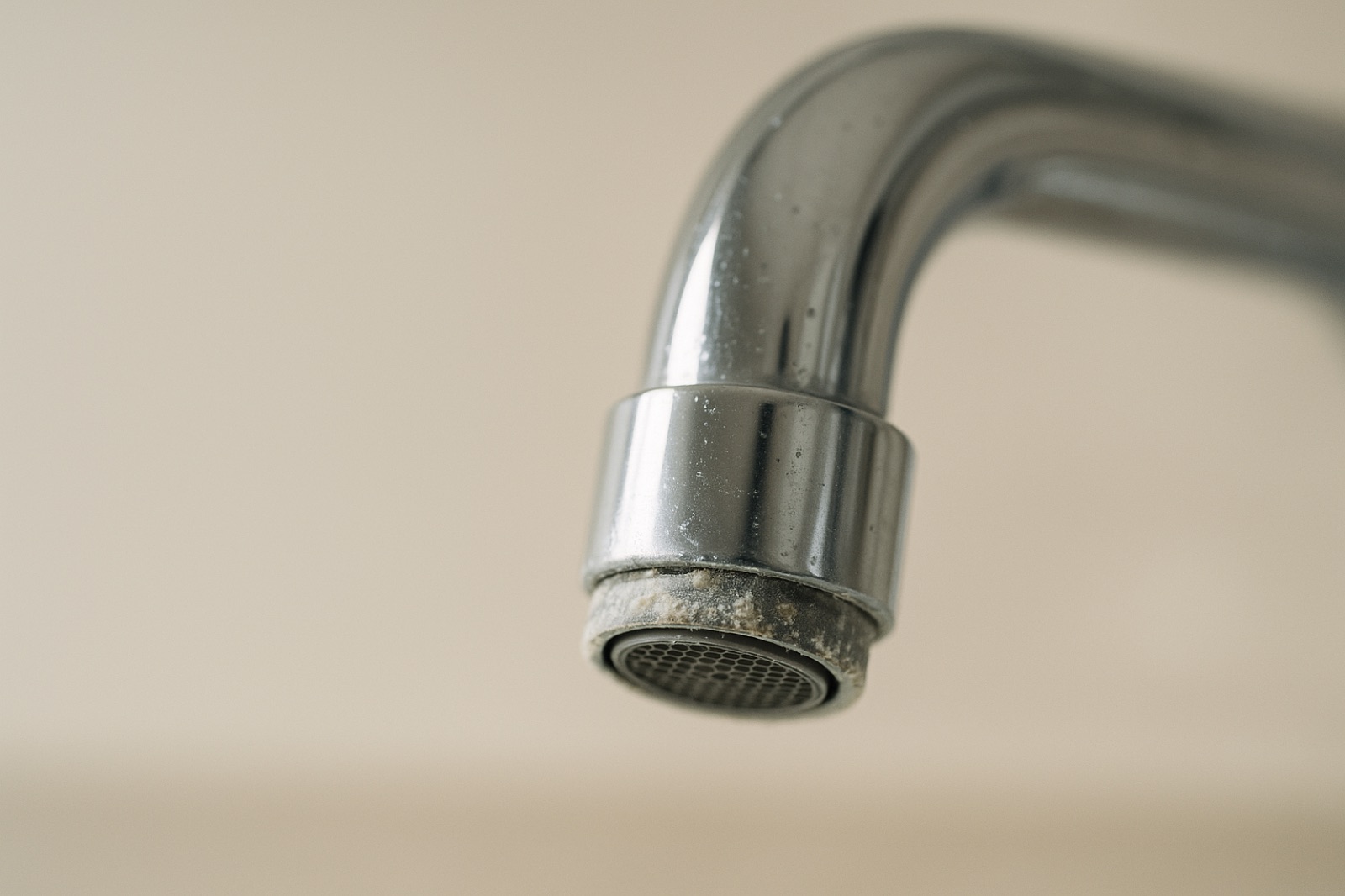
Most buyers walk through a house with a sharp eye for the roof, the foundation, and the kitchen layout. Water is harder to judge. A faucet that runs clear on the showing day tells you little about what a well produces in a wet February, whether a softener recovers properly after a power blip, or whether a pressure tank has been quietly losing its air charge for years. The fix is simple: ask for the water records before you commit, while you still have room to negotiate and time to act on what you learn.
Start With the Source
If the house is on a public system, the utility usually publishes an annual water quality report, often called a consumer confidence report. It shows what the supplier tested for and how the results compared with the legal limits. Read the most recent edition and look for anything the utility flagged as needing attention.
If the house runs on a private well, the picture is more personal, and the paperwork matters more. Ask whether the seller has the well's drilling or completion record, which often lists depth and the casing setup. Ask for every water test result from the last several years, and for each one, note the date, the lab that ran it, and where the sample was collected. A sample drawn at the kitchen tap after a treatment system tells you something different from one drawn at the wellhead. A test taken in a dry season or a wet one may not describe the water you will drink next year.
Why Old Results Deserve a Second Look
Source water moves with the weather, and the broader weather picture is shifting. Circle of Blue's monthly watch list, which draws on the ISciences Water Security Indicator Model, reported in its November 19, 2026 update that the super El Niño is solidifying, with Pacific temperatures described as "off the monitoring charts." That report looks at conditions across the globe, not at any single well or street. Its lesson for a buyer is practical. When large climate patterns change, the water feeding a well or reservoir can change with them, so a clean result from an earlier season is a snapshot, not a guarantee. Circle of Blue's global water monitor and forecast watch list is a useful reminder to date every result you review.
The Equipment Records to Request
Equipment is where many surprises hide, and the seller usually has the answers if you ask for them in writing. For a well, request the install date of the pump and the pressure tank, any service notes, and any repair invoices from the past few years. A pump that has been replaced twice tells a different story than one that has never been touched.
For a softener, ask for the make and model, the install date, the most recent service call, and the regeneration settings if the seller knows them. Find out whether the unit is timer based or metered, and whether the salt level has been kept up. Ask whether the brine tank has ever been cleaned out. A softener that looks fine from the top can still have a neglected brine tank underneath.
For filters, request the cartridge sizes, the dates they were changed, and any warranty paperwork that came with the system. If a filter was installed by a previous owner and no one recorded its service history, plan on replacing the cartridges yourself and noting the date.
Read the Gaps, Not Just the Pages
Missing records are information too. If the seller has no water test in a decade, treat the water as unknown rather than clean. If a softener has no service history, budget for a service visit before you rely on it. If a well has no recorded depth, ask your inspector whether the well cap, the pitless adapter, and the pressure switch can be checked during the inspection window.
Do not treat bad answers as an automatic deal breaker. Treat them as a conversation about price, repairs, or timing. A house with an aging pressure tank and an unknown test history can still be a good purchase if the numbers reflect that risk. The point of asking is to make the decision with open eyes.
Close the Loop Before Closing
Paperwork shows what someone recorded. A sample shows what is in the water now. Order a test from a certified lab you choose yourself, and make sure the report lists the contaminants you care about, including hardness, iron, manganese, and any bacteria screen your area recommends. Have a licensed plumber or well contractor check the equipment during the inspection, and compare what they find against what the seller disclosed.
Keep copies of everything, including the seller's records, your test results, and your inspector's notes. If something in the paperwork does not match what you see in the house, ask about it in writing before the deadline for the inspection contingency passes. Water records are easy to request and easy to forget, and the buyers who ask early are the ones who keep their options open.