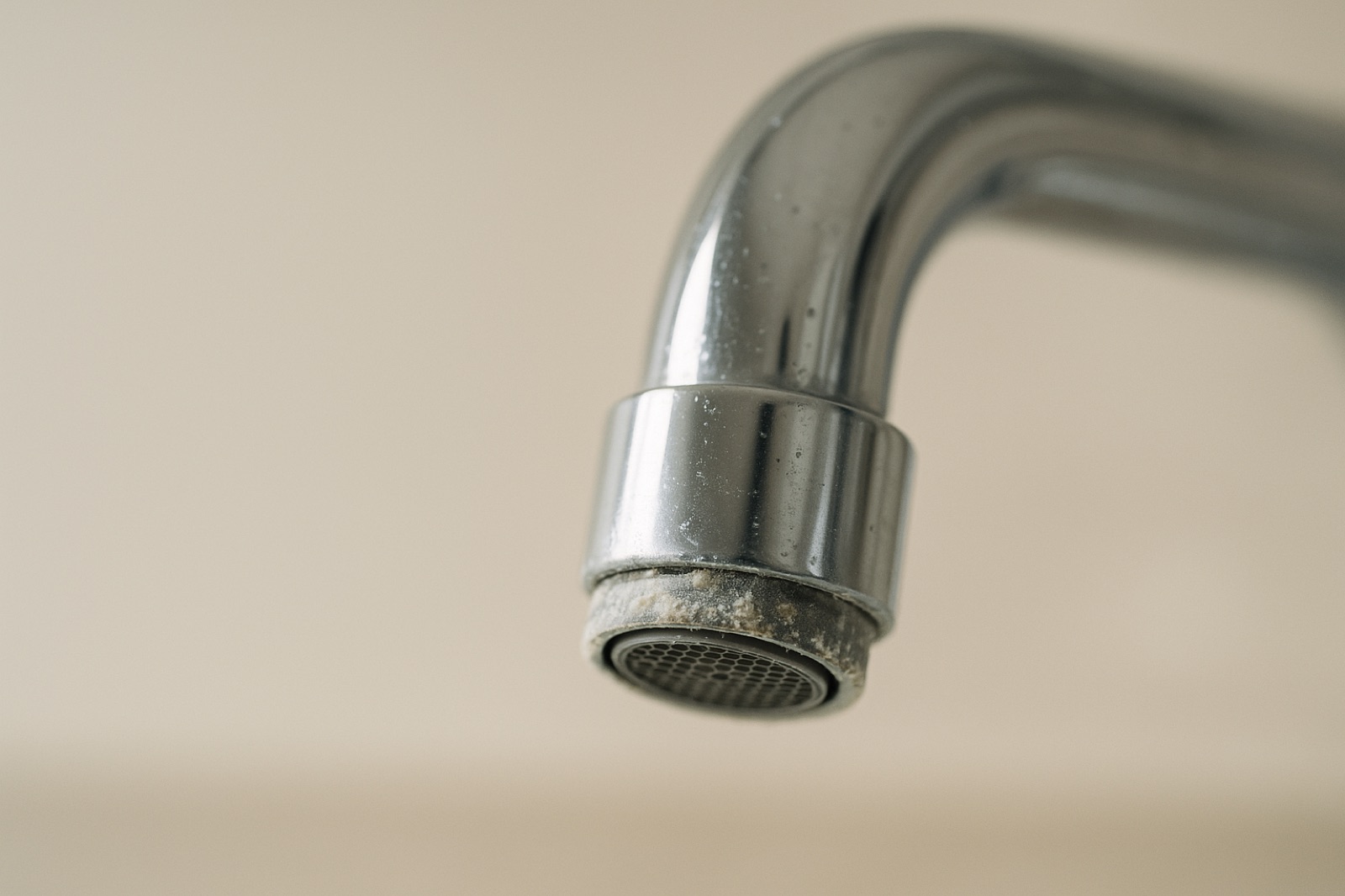
In today's world, ensuring that your water is clean and safe to drink has never been more important. As awareness of water quality issues grows, homeowners are increasingly looking for effective solutions to filter out contaminants. Whether you're concerned about lead, chlorine, or emerging pollutants, understanding your options is key.
Understanding Your Water Quality
Before investing in a water filtration system, it is essential to understand what’s in your water. The first step is to get your water tested. This will help you identify specific contaminants that may be present. Home testing kits are available and can give you a quick overview, but for a comprehensive analysis, consider contacting a local laboratory or your water utility. Knowing your water quality is vital in choosing the right filtration system.Types of Filtration Systems
Once you know what needs to be filtered out, you can explore different types of filtration systems that suit your household’s needs. Here are some common options:- Activated Carbon Filters: These filters are popular for their ability to remove chlorine, sediment, and volatile organic compounds (VOCs). They are commonly found in pitcher filters and under-sink systems.
- Reverse Osmosis Systems: RO systems are effective at removing a wide range of contaminants, including heavy metals like lead, as well as salts and other dissolved solids. They are typically installed under the sink and can provide purified water for drinking and cooking.
- Ultraviolet (UV) Filters: UV systems are excellent for killing bacteria and viruses. However, they do not remove chemical contaminants, so they are often used in conjunction with other filtration methods.
- Point-of-Use vs. Whole House Filters: Point-of-use systems are installed at specific taps, while whole house systems are integrated directly into your home’s plumbing, providing filtered water at every faucet.
Current Challenges and Considerations
As water quality issues become increasingly complex, homeowners must remain vigilant. For instance, in regions impacted by climate change, such as Gambia, issues like saltwater intrusion are becoming more prevalent. In this context, clean water access becomes critical for agriculture and daily living. As reported by Circle of Blue, the implications of such changes can affect not just drinking water but also agricultural productivity. In the U.S., local water management strategies are evolving, focusing more on partnerships rather than conflict over dwindling resources. As noted in another Circle of Blue report, this collaboration can lead to more sustainable solutions for water use, which can ultimately impact the quality of water reaching our homes.Making the Right Choice
When deciding on a filtration system, consider factors such as the specific contaminants you need to address, your household size, and your overall water usage. Many systems have different maintenance and replacement part requirements, so factor those costs into your decision as well. Lastly, always check for certifications from organizations like NSF International or the Water Quality Association to ensure that your chosen system meets safety and performance standards.In conclusion, investing in a water filtration system is a proactive step toward ensuring your family’s health and well-being. With the right information and a clear understanding of your water quality, you can make an informed decision that will serve your household for years to come.