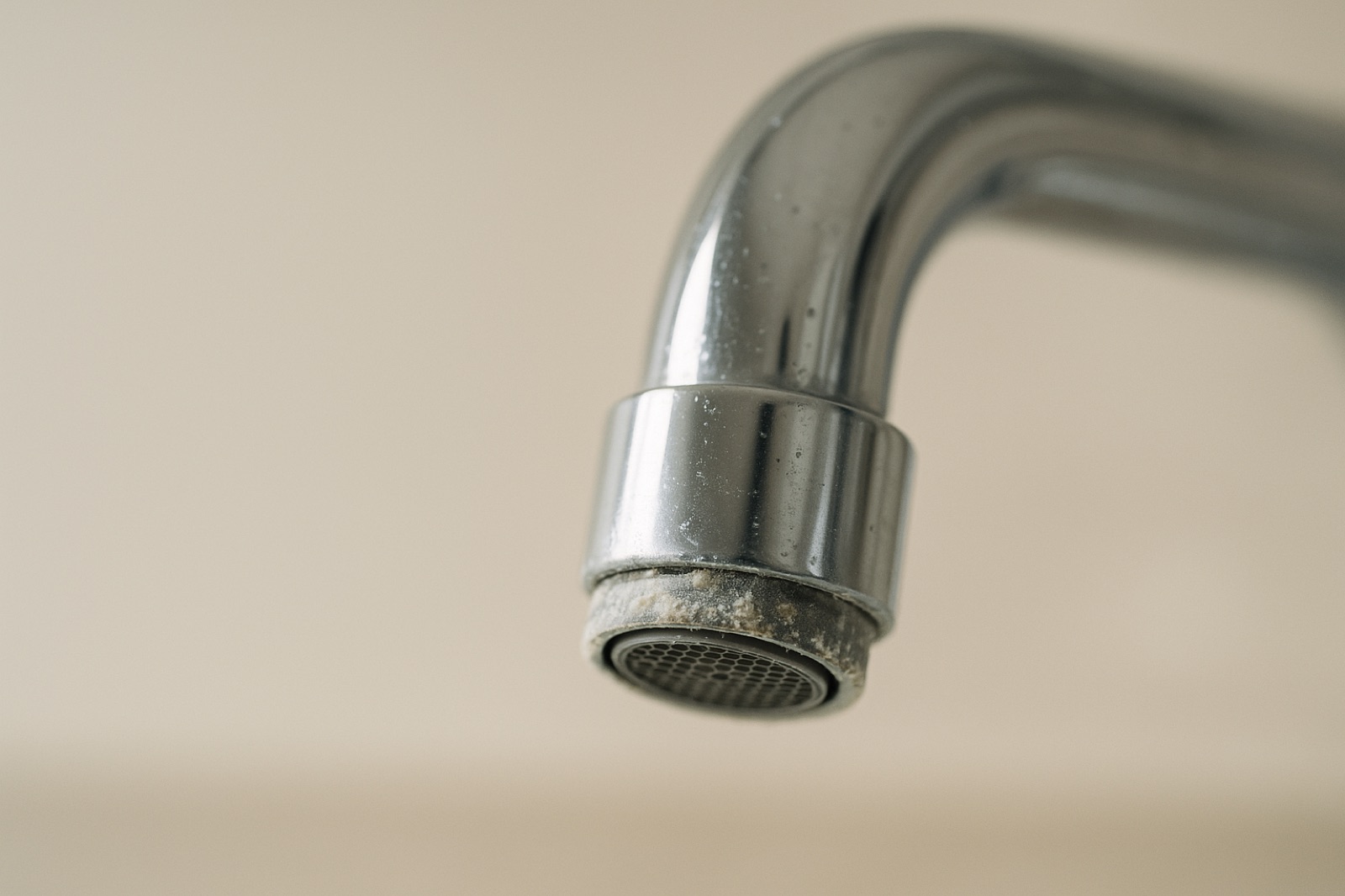
As a homeowner, the quality of your drinking water is a top priority. With growing concerns around contaminants like PFAS (per- and polyfluoroalkyl substances) and microplastics, it is crucial to understand how these substances can affect your home water supply and what you can do to ensure safe drinking water for your family.
What Are PFAS and Microplastics?
PFAS are a group of man-made chemicals used in a variety of applications, from non-stick cookware to water-repellent clothing. Due to their widespread use and resistance to breaking down in the environment, these substances have been detected in water supplies across the United States. Microplastics are tiny plastic particles, often resulting from the breakdown of larger plastic items, and they have also found their way into drinking water sources.
Why Should You Be Concerned?
The presence of PFAS and microplastics in drinking water is troubling for several reasons. First, there is ongoing research into the potential health effects of PFAS exposure, which can include adverse effects on the immune system and reproductive health. As noted in a recent article by Water Finance and Management, PFAS have reshaped the drinking water regulatory landscape over the past decade, leading to increased public scrutiny and demand for cleaner water.
Microplastics, though often less publicized, pose their own risks. While the full extent of their impact on human health is still being studied, their ubiquity in the environment raises concerns about long-term exposure and potential accumulation within the body.
Testing for Contaminants
The first step in safeguarding your home water is to test for these contaminants. Many homeowners are unaware of what is in their water supply. Home testing kits are available and can give you a snapshot of your water quality. Alternatively, you can contact your local water supplier for information regarding PFAS and microplastics in your area.
Filtration Solutions
If your tests reveal the presence of PFAS or microplastics, investing in a reliable water filtration system is essential. Look for systems that specifically target these contaminants. Activated carbon filters can reduce some PFAS compounds, while reverse osmosis systems are effective at removing a wide range of contaminants, including microplastics.
When choosing a system, it is important to consider your specific needs and budget. For instance, a whole-house filtration system may be more suitable for larger families, while a point-of-use system can be effective for smaller households.
Monitoring and Maintenance
Once you have a filtration system in place, regular maintenance is key. Filters need to be replaced according to the manufacturer’s guidelines to ensure optimal performance. Additionally, routine water testing can help track any changes in water quality over time and ensure your filtration system is still effective.
Staying Informed
Given the evolving landscape of water quality issues, staying informed is vital. Recent reports highlight that the regulatory framework for contaminants like PFAS continues to evolve, with more stringent guidelines being considered. For example, a recent Guardian article discusses how environmental changes are impacting various ecosystems, paralleling the increasing urgency surrounding water quality issues.
By keeping abreast of these developments, homeowners can make informed choices about their water supply and filtration options.
Conclusion
Your home’s water quality is a reflection of your overall health and well-being. By understanding the risks associated with PFAS and microplastics and taking proactive steps to test and filter your water, you can ensure that your family has access to safe and clean drinking water. Remember, staying informed and engaged is the best way to protect your home and loved ones.