A glass of water can look perfectly ordinary while the conditions affecting its source are changing. On October 7, 2026, Circle of Blue reported that scientists are studying what wildfires can mean for lakes. The story, credited to Circle of Blue, describes research that began after fires swept through a California mountain lake region in the summer of 2020.
That report does not tell you what is in your tap water. It does offer a useful homeowner lesson: source conditions can change, and yesterday's treatment decision may not answer today's problem. If your water develops a new taste, odor, stain, deposit, or contamination concern, start again with the symptom and an appropriate test. Do not assume the equipment already in the basement handles it.
Start with what changed
Write down when the problem began, whether it affects hot water, cold water, or both, and whether it appears at every faucet. Ask whether neighbors notice the same change. If you use municipal water, check the utility's notices and current water quality information. If you have a private well, consider recent flooding, wildfire activity, repairs, land disturbance, or changes near the well, then discuss suitable testing with a qualified local laboratory or water professional.
This first pass helps separate a plumbing problem from a source water problem. An odor at one drain may come from that drain. Discoloration at one faucet may point to a fixture or pipe. A change throughout the house deserves a broader look.
Use this softener versus filter matrix
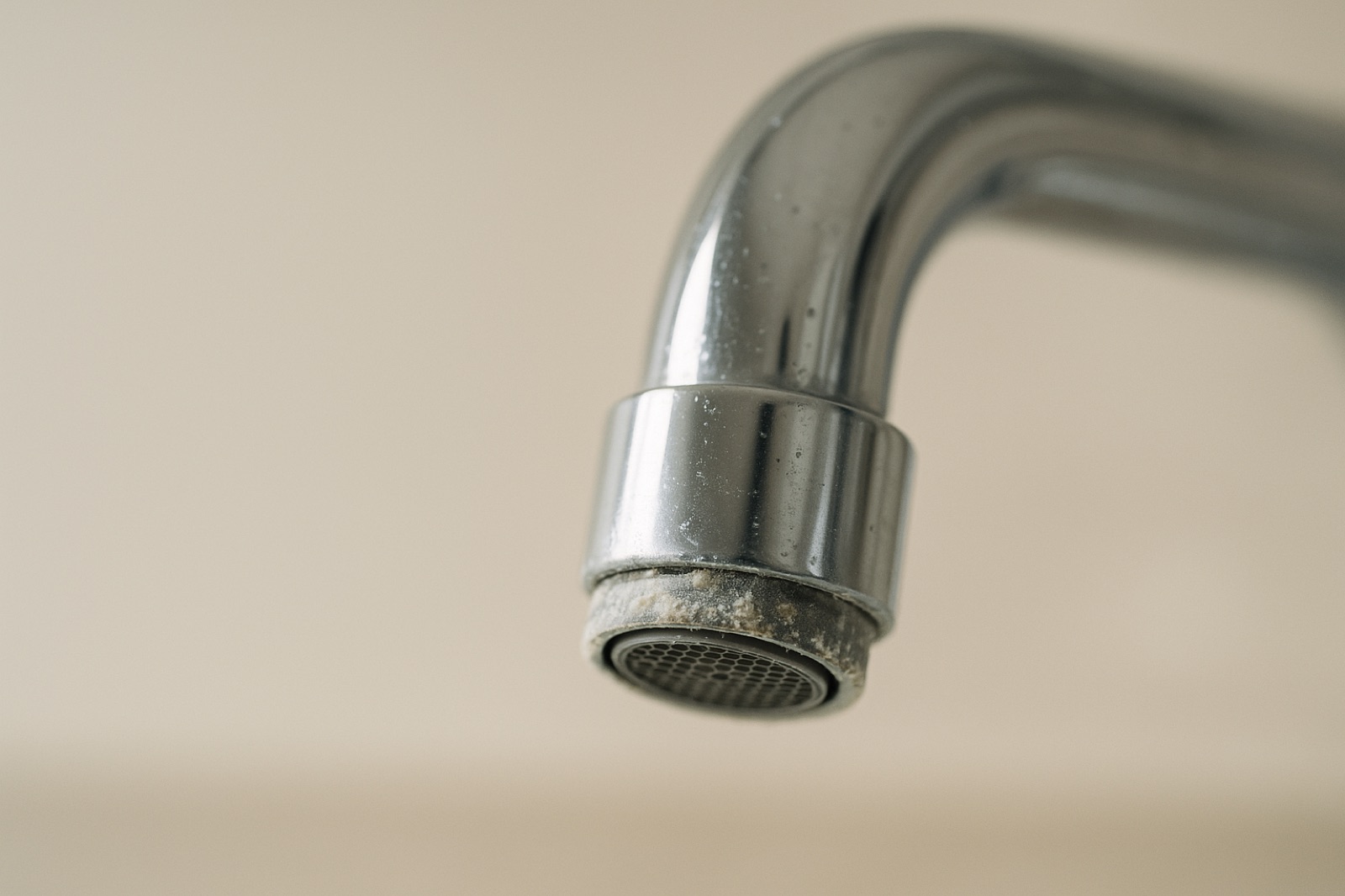
White scale on fixtures or heating elements: Test hardness. A correctly sized ion exchange softener is designed to reduce hardness minerals. A typical drinking water filter is not a substitute for softening unless its certified performance specifically includes hardness reduction.
Dry-feeling soap performance or stubborn mineral deposits: Check hardness before buying. These clues can support a hard water diagnosis, but cleaning products, water temperature, and fixture condition can complicate what you see.
Chlorine-like taste or odor: Review the utility information and test when appropriate. Activated carbon filtration is commonly used for certain taste and odor concerns. A softener is not designed for that job.
Earthy, musty, sulfur-like, or otherwise unusual odor: Identify the cause before choosing equipment. Compare hot and cold water, flush the affected faucet, and avoid treating every odor as the same problem. The answer may involve plumbing maintenance, water heater service, disinfection, or filtration selected for a confirmed cause.
Orange, red, black, blue, or green staining: Test rather than diagnosing by color alone. Iron, manganese, corrosion, and other conditions can produce different stains, and treatment varies. Some cases call for oxidation and filtration, some for corrosion control, and some for changes to household plumbing.
A named contaminant concern: Use a test that measures that contaminant, then select a treatment certified for its reduction at the concentration and flow conditions involved. A softener may exchange certain dissolved ions, but it is not a general contaminant barrier. Filters also differ sharply. Carbon, reverse osmosis, sediment filtration, and ultraviolet systems perform different jobs.
More than one confirmed problem: You may need both softening and filtration. Treatment order matters because one device can affect the performance or maintenance demands of another. Ask for a written design showing what each stage removes, where it sits, and how often it needs service.
Take a short testing checklist to the decision
Before requesting quotes, gather the water source, recent utility report if applicable, symptom locations, hot versus cold comparison, hardness result, and tests tied to any specific contaminant concern. Record household size, peak water use, available installation space, drain access, and your willingness to replace media or cartridges.
If the symptom is new, widespread, persistent, or difficult to identify, schedule a professional water assessment. Ask for the test results and recommended treatment in writing, including the exact problem each proposed device addresses.
This practical distinction matters to The Home Water Report's readers. Current site figures show 3,226 page views from 1,068 visitors, alongside 1,265 search crawls and 2,891 AI crawls. No assist or CRM data was supplied, so those numbers cannot show how many readers bought equipment or solved a water problem. They do show why the guidance should remain clear when people and automated systems encounter it: scale points toward hardness testing, taste and odor point toward cause-specific filtration decisions, staining calls for identification, and contaminant concerns require targeted testing.
Your best purchase is not the system with the longest feature list. It is the smallest complete treatment plan that matches confirmed conditions, serves the right faucets, and has maintenance your household will actually perform.