As a homeowner, you want clean, safe water for your family. But how do you know if your water meets safety standards? The answer lies in regular water testing. Water quality can fluctuate due to various factors, including changes in the environment and the condition of your plumbing system. Here, we explore the importance of testing your water, what you should be testing for, and how to go about it.
Why Test Your Water?
Water testing is crucial for several reasons. First and foremost, it helps identify contaminants that could affect your health, such as lead, bacteria, or nitrates. Even if your water comes from a municipal supply, issues like aging pipes or local environmental changes can introduce harmful substances into your water. For example, a recent article from Circle of Blue discusses how industrial activities can impact water resources, emphasizing the need for vigilance.
What to Test For
The specific tests you might need depend on your water source. If you rely on a well, you should test for bacteria, nitrates, and heavy metals. For those on municipal supplies, it’s wise to check for lead and other metals, especially if your home has older plumbing. The Environmental Protection Agency recommends testing for total coliform bacteria at least once a year and for nitrates more frequently if you have children, as they can be particularly vulnerable to waterborne contaminants.
How to Test Your Water
Water testing can be done in a few different ways. You can purchase a DIY water testing kit online or at a local hardware store. These kits vary in price and complexity, from simple strips that test for pH and hardness to more comprehensive kits that can analyze for a range of contaminants. Just be sure to follow the instructions carefully to ensure accurate results.
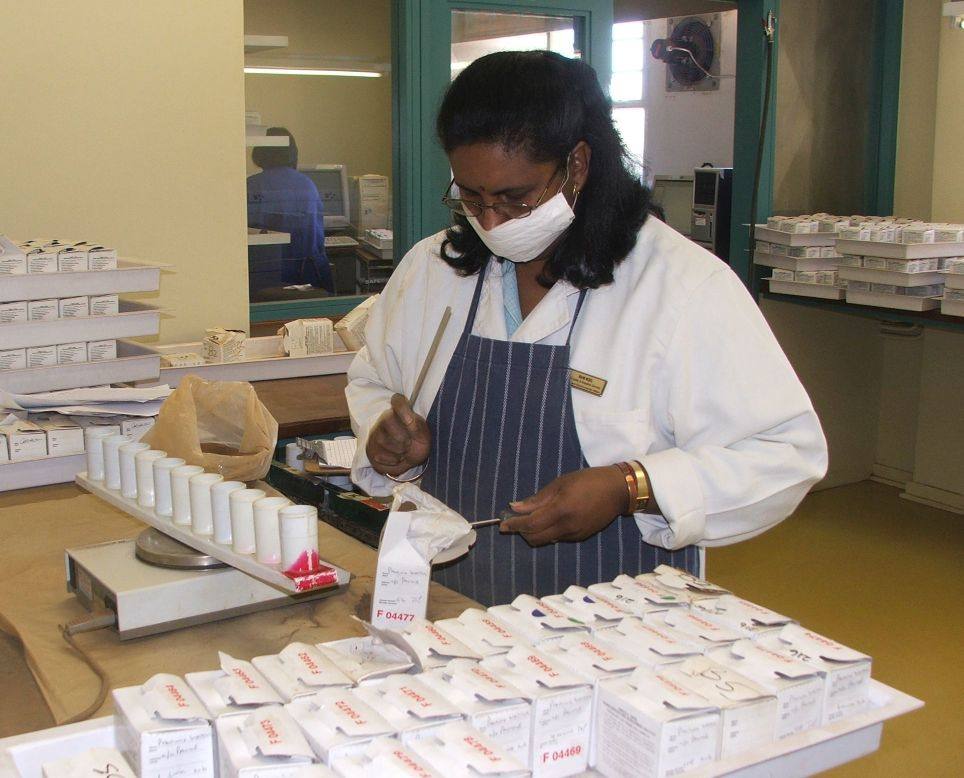
If you prefer a more thorough analysis, consider sending a water sample to a certified laboratory. While this option may cost more, it provides a detailed report of contaminants and is particularly beneficial if you suspect serious issues, like elevated lead levels.
Interpreting Your Results
Once you receive your test results, it’s important to understand what they mean. Most testing kits provide a comparison chart that indicates safe levels for various contaminants. If you find that your water contains harmful substances, do not panic - there are steps you can take to address the issue.
For instance, if lead levels are elevated, it may be time to replace old pipes or install a water filtration system designed to remove heavy metals. Understanding your results empowers you to take action and ensures your family has access to clean water.
Staying Informed
Keeping up with local water quality reports is also essential. Municipal water suppliers are required to provide annual water quality reports, which can give you insight into the overall safety of your water supply. Additionally, stay informed about local environmental issues that may impact your water. For example, The Guardian recently reported on extreme weather events that could influence water quality and availability.
Conclusion
As a homeowner, taking the time to test your water helps protect your family's health and gives you peace of mind. Regular testing empowers you to understand the quality of your water and take informed actions to keep it safe. Whether you choose DIY testing or a professional lab, make water testing a routine part of your home maintenance.