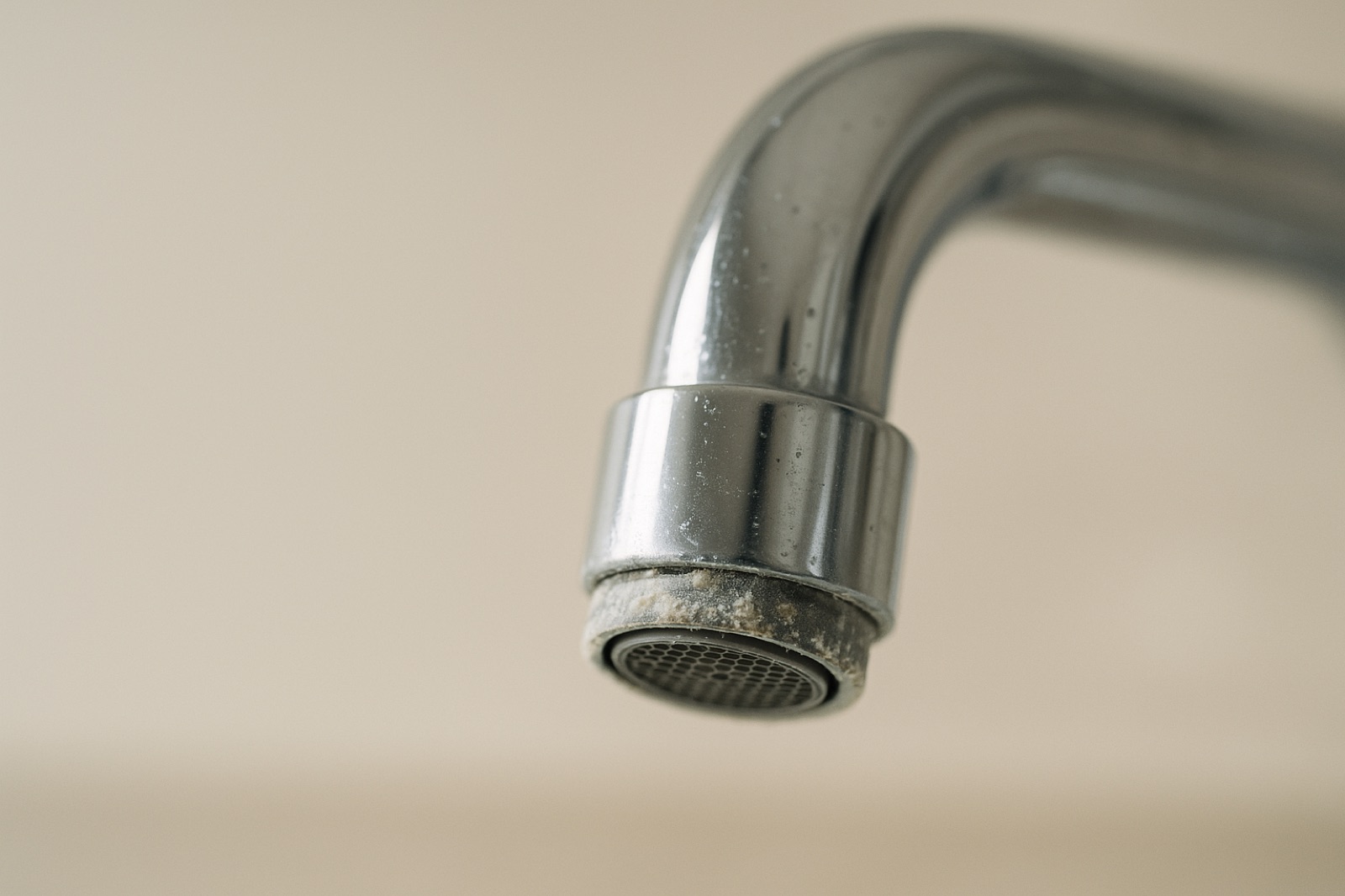
As a homeowner, you might have noticed that hard water can lead to various issues in your household, from unsightly mineral deposits on your faucets to soap not lathering effectively. Water softening is a solution that many homeowners consider, but is it the right choice for you? Let's explore the benefits and considerations of water softening, grounding our discussion in the current water issues faced in the West.
What is Water Softening?
Water softening is the process of removing minerals like calcium and magnesium that contribute to water hardness. This is typically achieved using a water softener, which uses sodium ions to replace the hard minerals. The result? Softer water that can improve your overall household experience.
Benefits of Water Softening
1. **Improved Soap Performance**: Softer water enhances the effectiveness of soap and detergents, meaning you’ll need less to achieve the same level of cleanliness. This can lead to savings on cleaning products over time.
2. **Reduced Scale Buildup**: Hard water can leave mineral deposits in pipes, appliances, and fixtures, leading to clogs and reduced efficiency. Softened water helps prevent this buildup, extending the lifespan of your plumbing and appliances.
3. **Smoother Skin and Softer Laundry**: Many homeowners report that softened water leaves skin feeling smoother and laundry feeling softer, as there are no mineral residues left behind.
Considerations Before Making the Switch
While the benefits are appealing, there are some important factors to consider before investing in a water softening system:
1. **Sodium Concerns**: The process of softening water adds sodium to it, which may be a concern for those on low-sodium diets. If you are worried about sodium intake, there are alternative softening methods, such as potassium-based systems, which may be worth exploring.
2. **Cost of Installation and Maintenance**: Water softeners can be a significant investment. Consider not only the initial purchase price but also ongoing maintenance costs, including salt refills and potential repairs.
3. **Environmental Impacts**: The discharge of sodium into municipal wastewater systems is a point of concern for some. Depending on local regulations and your personal environmental values, this may influence your decision.
Current Context: The Water Crisis
Homeowners in the western United States are facing growing water challenges due to prolonged droughts and climate issues. As noted in a recent article by Circle of Blue, Native American tribes are working to secure their rights to water from the Colorado River, highlighting the increasing tension surrounding water resources in the region.
In light of these challenges, homeowners may find that investing in water softeners not only improves their water quality but also increases the efficiency of their water usage. By reducing scale buildup in fixtures and pipes, softened water can help maximize the effectiveness of the limited water supply available.
Making the Right Choice for Your Home
Ultimately, the decision to install a water softener should be based on your specific needs and circumstances. If you frequently deal with hard water issues, a water softener could indeed be a valuable addition to your home. However, it’s essential to weigh the benefits against the costs and consider any potential health concerns.
If you decide to move forward with water softening, be sure to research different systems and consult with professionals to find the best solution for your household. As water challenges continue to mount, making informed choices about your water quality can enhance both your home life and contribute to broader conservation efforts.