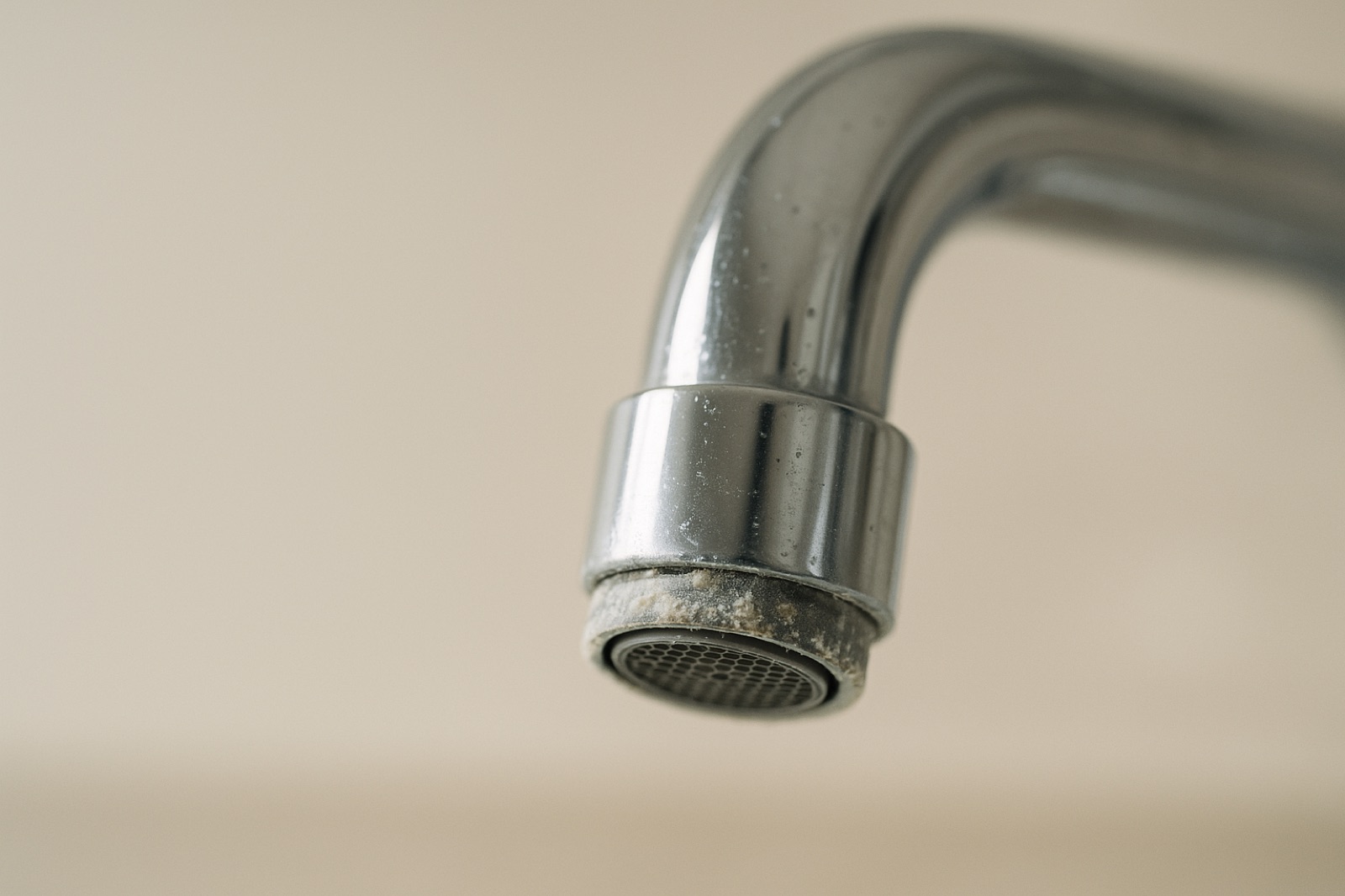
Are you tired of dealing with hard water in your home? If so, you’re not alone. Many homeowners face challenges with hard water, which can lead to mineral buildup, scaling on appliances, and even skin irritation. Fortunately, understanding water softening can help you tackle these issues effectively.
What is Water Softening?
Water softening is a process that removes minerals such as calcium and magnesium from your water supply. These minerals are responsible for the hardness of the water and can create various problems in your home, from soap scum in your shower to decreased efficiency in your plumbing and appliances.
How Does It Work?
The most common method of softening water is through a salt-based ion exchange system. In this system, hard water passes through a tank filled with resin beads coated with sodium ions. As the hard water flows through, the calcium and magnesium ions are exchanged for sodium ions, effectively softening the water. The softened water is then delivered throughout your home, preventing the issues associated with hard water.
Benefits of Water Softening
Investing in a water softener can lead to several benefits for your home:
- Improved Appliance Lifespan: Hard water can lead to scale buildup in appliances such as dishwashers and water heaters, reducing their efficiency and lifespan. Softened water helps prevent this scaling.
- Better Cleaning: Soft water allows soaps and detergents to work more effectively, meaning cleaner dishes and brighter laundry.
- Smoother Skin and Hair: Many homeowners notice that their skin feels softer and their hair is more manageable after switching to softened water.
- Reduced Plumbing Issues: By eliminating scale buildup, softened water can reduce the risk of clogs and other plumbing issues.
Considerations Before You Buy
Before purchasing a water softener, consider your household’s water usage and the hardness level of your water. You can have your water tested at home or contact a local water authority for results. This information will help you choose the right system for your needs.
Additionally, be aware of the maintenance required. Salt-based systems need regular salt refills and periodic cleaning of the resin beads to ensure optimal performance.
Recent Developments in Water Quality
The challenges of water quality are not just limited to hard water. Recent discussions around contamination, particularly concerning PFAS chemicals, highlight the importance of understanding and improving the overall water quality in our homes. As reported by Circle of Blue, these "forever chemicals" raise significant concerns for homeowners and can affect not only drinking water but also the quality of water used in showers and appliances.
Moreover, the National Association of Clean Water Agencies recently recognized top-performing clean water utilities, emphasizing the importance of clean water management in our communities.
Making the Right Choice for Your Home
Ultimately, investing in a water softener can be a practical solution for many homeowners facing hard water challenges. By understanding the benefits and taking into consideration the current water quality issues, you can make an informed decision that enhances both your home’s functionality and your family’s health.