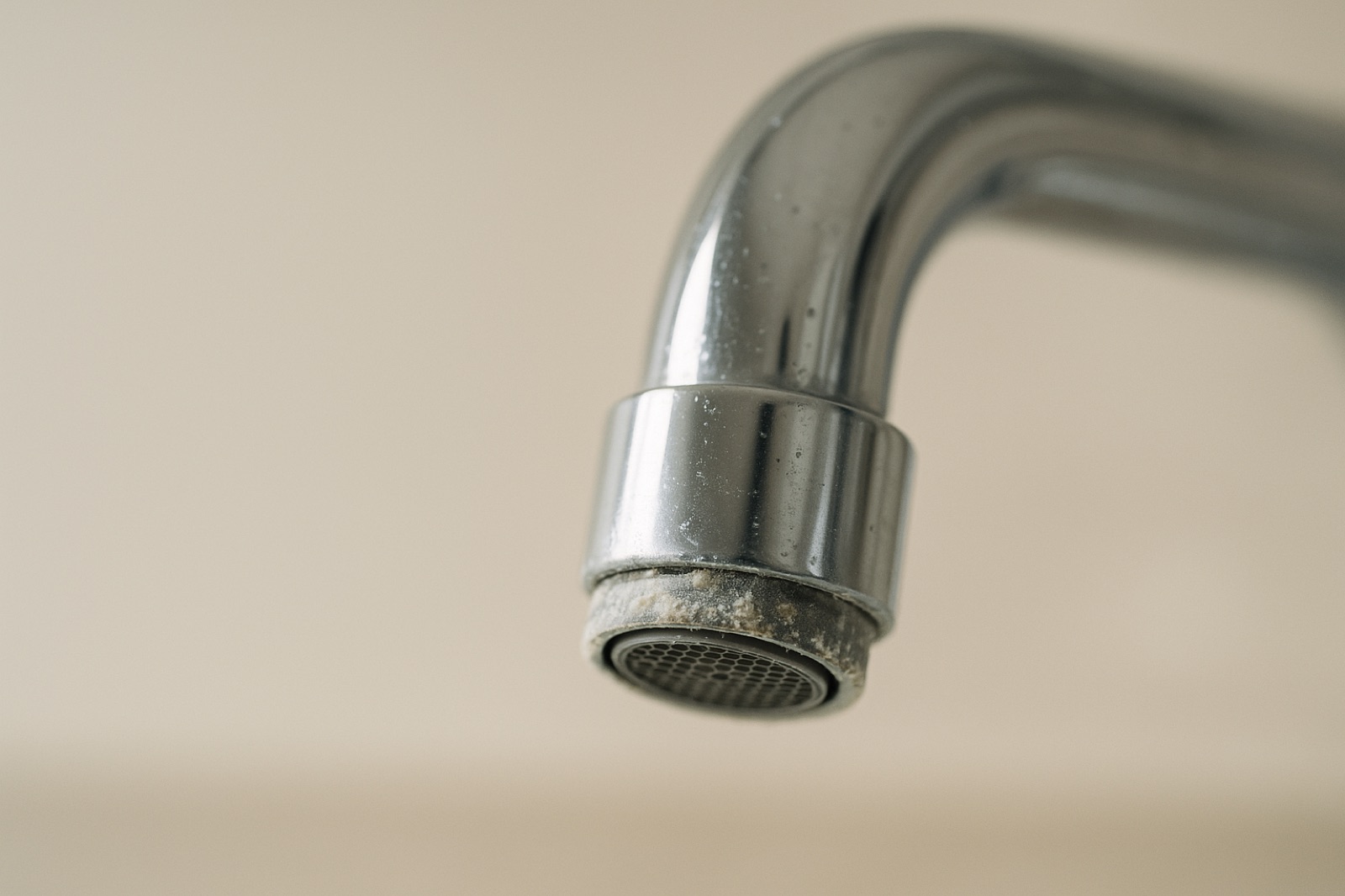
As a homeowner, you may have heard about water softening but are unsure if it is right for you. If you live in an area with hard water, the minerals like calcium and magnesium can cause a variety of issues, including scale buildup in pipes and appliances. Let's dive into the world of water softening to help you make an informed decision.
What is Water Softening?
Water softening is a process that removes the hardness minerals from your water supply, typically through ion exchange. This means that calcium and magnesium ions are replaced with sodium ions, leading to softer water. The benefits of soft water are numerous: it helps extend the life of your plumbing, reduces detergent use, and leaves your skin and hair feeling softer after showers.
Why It Matters Now More Than Ever
Recent news from around the world underscores the importance of reliable water supply. For instance, a report from The Guardian highlights how Puerto Ricans are facing severe water shortages due to pipeline ruptures, affecting daily life and businesses. Similarly, hard water can exacerbate problems like these by putting additional strain on your plumbing system, especially during times of water crisis. Softening your water can prevent costly repairs in the long run.
Benefits of Softened Water
Investing in a water softener offers several key benefits:
- Protects Your Appliances: Hard water can lead to scale buildup in appliances like dishwashers and water heaters, which can decrease efficiency and lifespan. Soft water can help mitigate these issues.
- Cleaner Dishes and Clothing: Without minerals to interfere, soap and detergents work more effectively, leading to cleaner dishes and clothes.
- Better Skin and Hair: Many people find that softened water helps reduce dryness and irritation, making baths and showers more enjoyable.
- Reduces Soap Scum: Soft water decreases the amount of soap scum buildup in your bathroom and kitchen, making cleaning less of a chore.
Are There Any Downsides?
While water softening has many advantages, it is essential to consider some potential downsides. The process can add sodium to your water supply, which may be a concern for individuals on low-sodium diets. However, there are alternative methods, such as potassium-based softeners, that can mitigate this issue. Additionally, regular maintenance of your water softener is necessary to ensure its effectiveness.
How to Choose a Water Softener
When selecting a water softener, consider the following factors:
- Size: Ensure the unit is appropriately sized for your household's water usage.
- Type: Decide between salt-based, salt-free, or dual-tank systems depending on your needs.
- Cost: Assess both installation and long-term maintenance costs, as some systems may require more upkeep than others.
Conclusion
If your home is plagued by hard water issues, investing in a water softener can significantly improve your quality of life. Not only will it protect your plumbing and appliances, but it can also enhance your daily routines. In a world where reliable water is increasingly important, ensuring your water quality shouldn’t be overlooked. Make an informed choice by evaluating your household needs and considering the benefits of softer water.