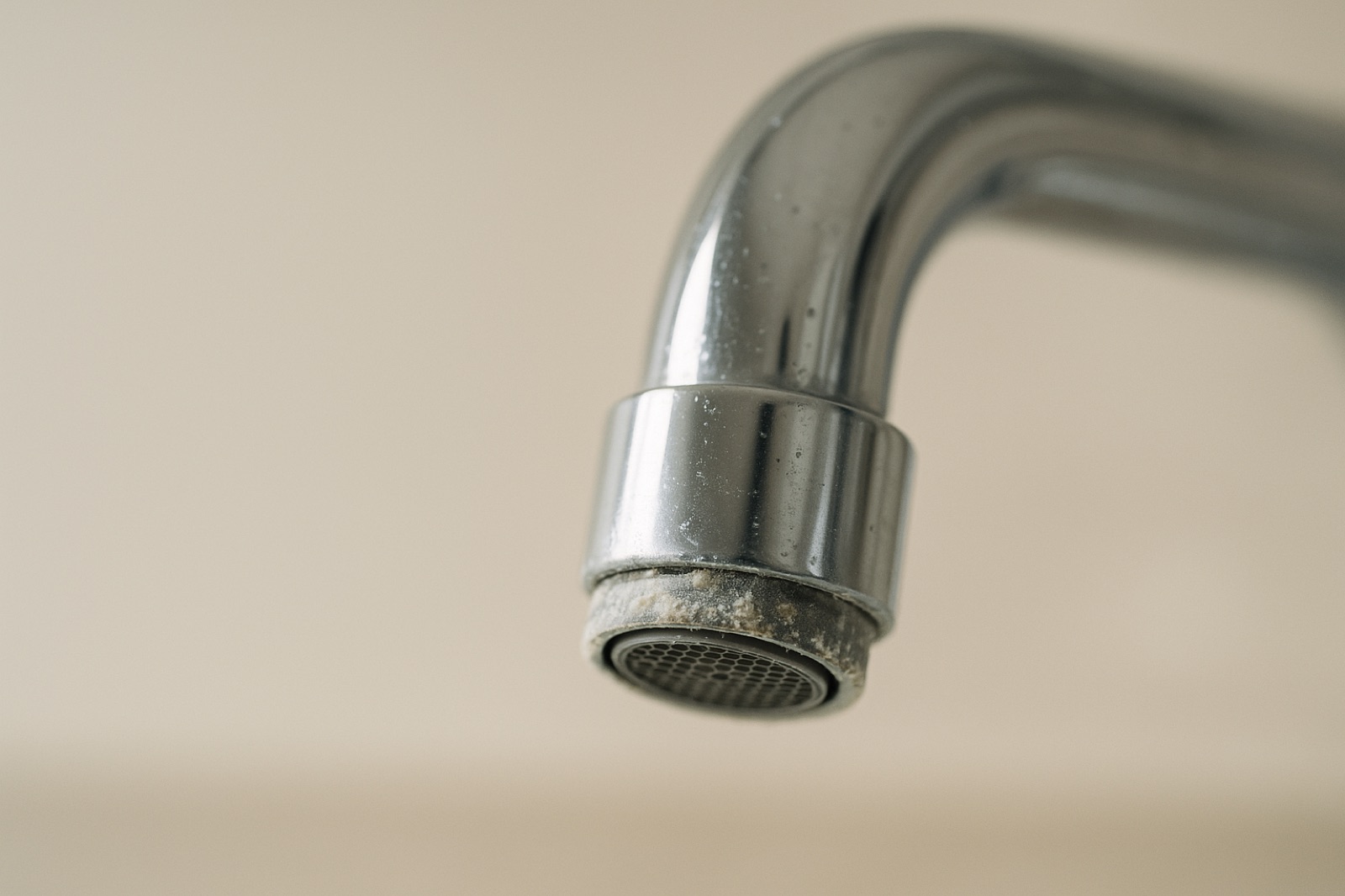
When it comes to the water you drink and use in your home, knowing its quality is crucial. Water quality testing is a simple yet effective way to ensure that your water is safe from contaminants and meets health standards. As a homeowner, understanding the importance of regular water testing can save you from potential health risks and costly repairs down the line.
Why Test Your Water?
Your water supply might look clear and smell fine, but that doesn’t mean it’s free from harmful substances. Factors like aging plumbing, environmental changes, and local agricultural practices can introduce contaminants into your water. Regular testing can help you identify problems such as lead, bacteria, and pesticides. According to an advisory from the Plastics Pipe Institute, certain PEX tubing products may not comply with safety standards, which indicates how important it is to monitor the quality of your water supply system regularly (Water Finance and Management).
What Should You Test For?
Common contaminants you should test for include:
- Lead: Often found in older homes with lead pipes, lead can pose severe health risks, especially to children.
- Bacteria: Coliform bacteria are a sign that your water may be contaminated by fecal matter, which can lead to serious illness.
- Pesticides: Runoff from agricultural areas can introduce pesticides into your water supply.
- Hardness: While not a health risk, hard water can cause issues with plumbing and appliances.
By being proactive and testing for these contaminants, you can address any issues before they become significant problems.
How to Test Your Water
Testing water quality can be done in a few different ways:
- DIY Test Kits: Available at home improvement stores, these kits allow you to collect water samples and test them for a variety of contaminants. They are relatively inexpensive and easy to use.
- Laboratory Testing: For more comprehensive testing, you can send samples to a certified lab. This option is more thorough and can provide a detailed report on the contaminants present in your water.
Whichever method you choose, ensure the testing kit or laboratory is certified to provide accurate results.
Understanding and Acting on the Results
Once you have your results, understanding what they mean is crucial. If your test indicates the presence of harmful contaminants, do not panic. There are various filtration systems available that can help remove unwanted substances from your water supply. Options include activated carbon filters, reverse osmosis systems, and UV filters, each designed to tackle different types of contaminants.
Utilities are increasingly relying on advanced technologies to ensure water quality. For instance, the deployment of over 20 million iPERL water meters globally demonstrates a commitment to monitoring and maintaining water quality (Water Finance and Management). While your local utility may take measures to ensure the water quality, it is still your responsibility to know what is coming from your tap.
Conclusion
Regular water quality testing is an essential practice for homeowners seeking to ensure safe drinking and usage water. By understanding the potential contaminants and how to test for them, you can make informed decisions that protect your family's health. Whether you opt for DIY kits or professional laboratory services, being proactive about your water quality can make a significant difference. Remember, your health starts with clean water, so make testing a part of your home maintenance routine.