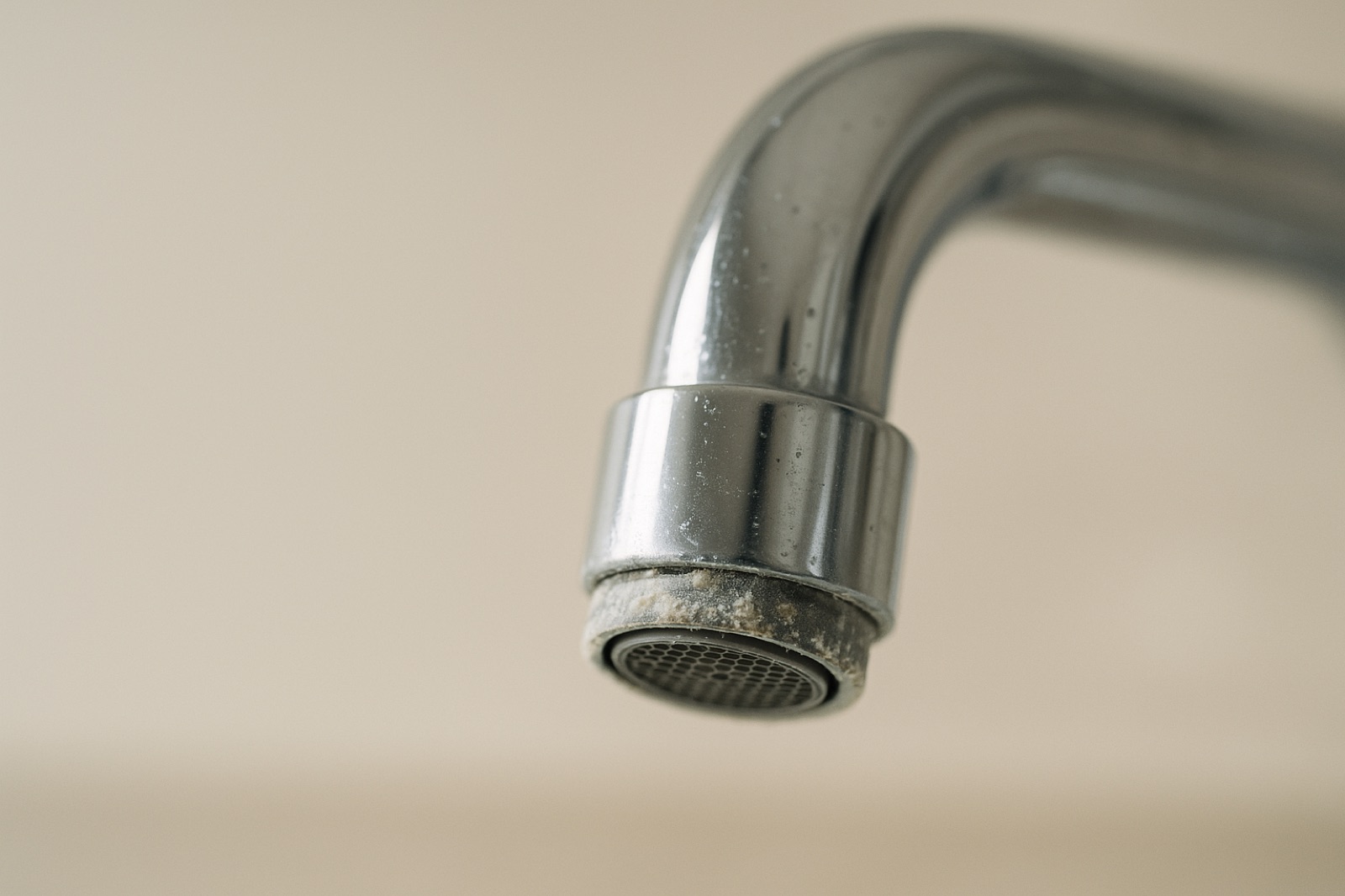
When you turn on the tap, you expect clean, safe water to flow out. However, the reality of water quality can be far more complicated. Factors such as location, plumbing materials, and environmental changes all contribute to the quality of the water in your home. This article will guide you through understanding how these elements affect your water and what steps you can take to ensure it meets your standards.
Why Water Quality Matters
Water is essential for daily life, but its quality can have far-reaching impacts on your health, appliances, and even your home’s plumbing system. Contaminants can lead to unpleasant tastes and odors, and in some cases, they can pose health risks. Additionally, poor water quality can cause scale buildup and corrosion in pipes, leading to costly repairs.
Common Water Quality Issues
Many homeowners face common water quality issues, including:
- Hard Water: High levels of calcium and magnesium in your water can lead to scale buildup in appliances like dishwashers and water heaters. It can also affect your skin and hair.
- Chlorine and Chloramines: Water treatment plants commonly use chlorine to disinfect water, which can result in an unpleasant taste and odor. Chloramines, a byproduct of chlorine, can also irritate the skin and eyes.
- Heavy Metals: Lead and copper can leach into water from plumbing. This is especially concerning in older homes with outdated plumbing systems.
- Microbial Contaminants: Bacteria, viruses, and parasites can enter your water supply from various sources, including sewage leaks or agricultural runoff.
Testing Your Water
The first step in addressing water quality issues is testing. Home water test kits are widely available and can provide valuable insights into the contaminants present in your water. You can also hire a professional to conduct a thorough analysis.
In a recent article by Circle of Blue, the complex relationship between water management and local industries was explored. In places like Indiana, where the coal industry is prevalent, the impact on water quality can be significant. As the article notes, "the AI boom is prolonging Indiana's fossil fuel era, with hidden costs for water." This underscores the importance of being aware of local water sources and how industrial activities might affect your home’s water quality.
Improving Water Quality
Once you have tested your water, you can take action to improve its quality. Here are some common solutions:
- Water Softeners: If hard water is an issue, consider installing a water softener to reduce mineral content.
- Filtration Systems: Depending on the contaminants identified, various filtration systems are available, such as activated carbon filters for chlorine or reverse osmosis systems for heavy metals and microorganisms.
- Regular Maintenance: Keep your plumbing in good condition. Regularly check for leaks and replace old pipes to reduce the risk of contaminants leaching into your water.
Stay Informed
Your home’s water quality is not just about immediate concerns; it’s also about long-term sustainability. As water-related issues grow in importance, being proactive can save you time, money, and health concerns down the road.
In the face of changing environmental conditions, understanding and managing your water quality is crucial. Whether you are contending with hard water or contaminants from nearby industries, taking steps to address these issues can help you create a safer and more comfortable home.
For further insights into how local water management impacts quality, another relevant piece by Circle of Blue discusses how local managers are opting for partnerships over conflict when it comes to water resources. As challenges continue to grow, collaboration may be key to securing safe water for all.
By staying informed and proactive, you can ensure that the water you use every day is of the quality you deserve.