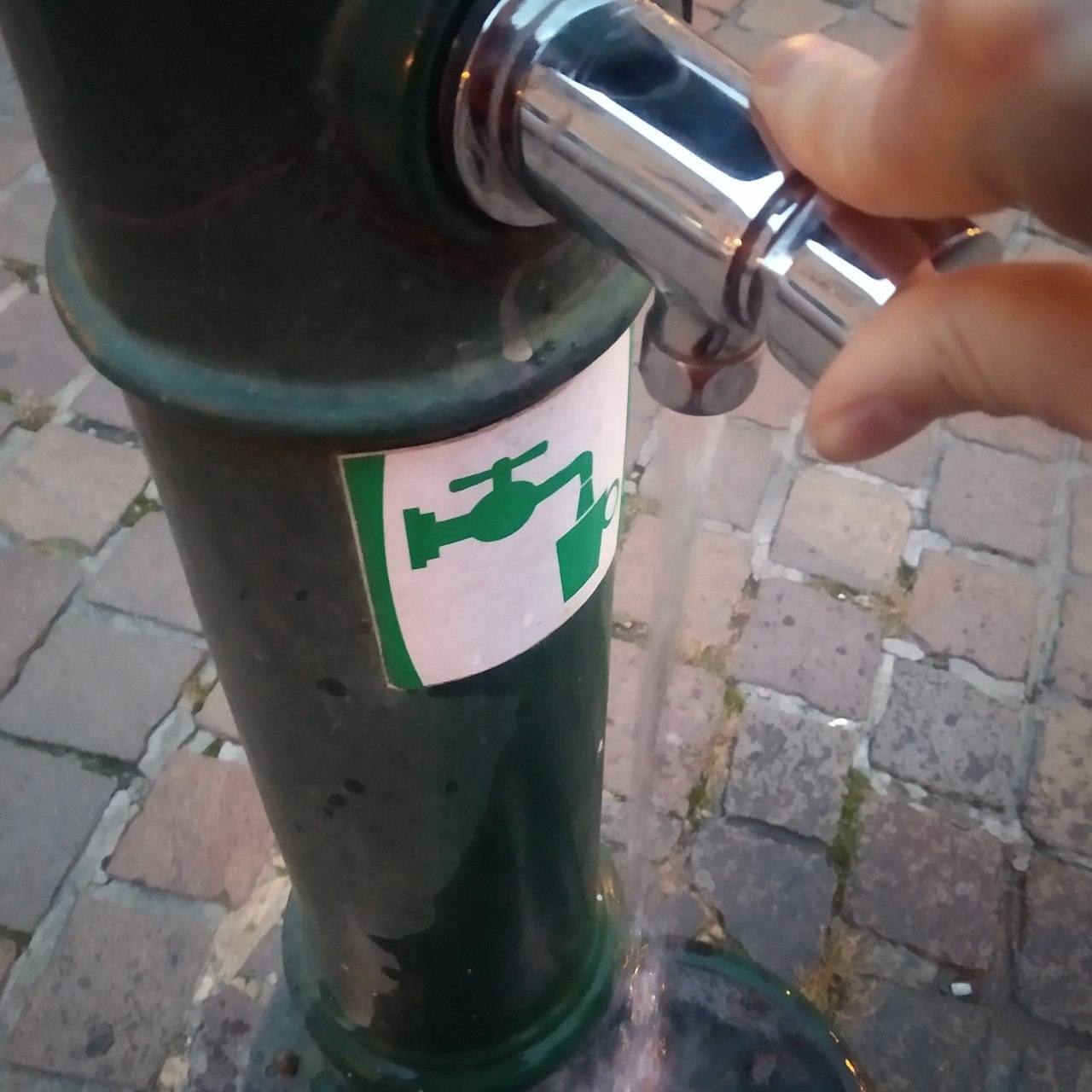
As a homeowner, you may have recently heard about the U.S. Environmental Protection Agency's (EPA) initiative to allocate more than $227 million for American Indian Tribes and Alaska Native Villages to improve drinking water and wastewater services. This funding highlights the pressing importance of safe and reliable drinking water, a concern that extends well beyond those communities and into homes across the nation. Ensuring good water quality at home has become a priority for many, especially in light of reports regarding contaminants like PFAS.
Why Home Water Filtration Matters
With initiatives like the EPA's funding for Tribal communities, it is clear that water quality is a growing concern. But what does that mean for you as a homeowner? Simply put, investing in water filtration can be one of the best ways to ensure your household receives clean, safe water. Modern water filtration systems can address a variety of issues, from removing harmful contaminants to reducing unpleasant odors and tastes. Not only do these systems improve your water quality, but they can also enhance the lifespan and performance of your plumbing and appliances.
What to Look For in a Water Filtration System
When considering a water filtration system, you will want to evaluate your specific needs. Here are a few factors to keep in mind:
- Contaminants: Have your water tested to identify any specific contaminants present. This will guide you in selecting a filter that effectively addresses your water quality issues.
- Filtration Type: There are various types of filtration systems available, including activated carbon filters, reverse osmosis systems, and UV purifiers. Each has its strengths and weaknesses, so be sure to choose one that suits your needs.
- Cost and Maintenance: Consider both the initial purchase price and the ongoing maintenance costs associated with the system. Some filters require regular replacement of cartridges or other components, which can add up over time.
Staying Informed Amid Regulatory Changes
Another important aspect of water filtration is staying informed about regulatory changes that may affect your water supply. For example, the EPA has announced plans to release draft guidance aimed at helping wastewater utilities and the public manage risks associated with PFAS in biosolids. This kind of information is crucial because it signals potential changes to how your community manages wastewater and, subsequently, the water that flows into your home. Keeping an eye on these developments can help you make informed decisions about your water filtration options.
Conclusion
As the conversation around water quality continues to evolve, it is essential to prioritize the health and safety of your home's water supply. By understanding the importance of water filtration and staying informed about new regulations, you can make smart choices that benefit both your household and your community. Whether it is through improved filtration systems or advocating for better water management practices, every effort counts toward ensuring access to clean drinking water.
For more information on the EPA's funding initiative, check out the article from Water Finance and Management. Additionally, stay updated on the EPA's forthcoming guidance on PFAS by visiting their announcement on Water Finance and Management.