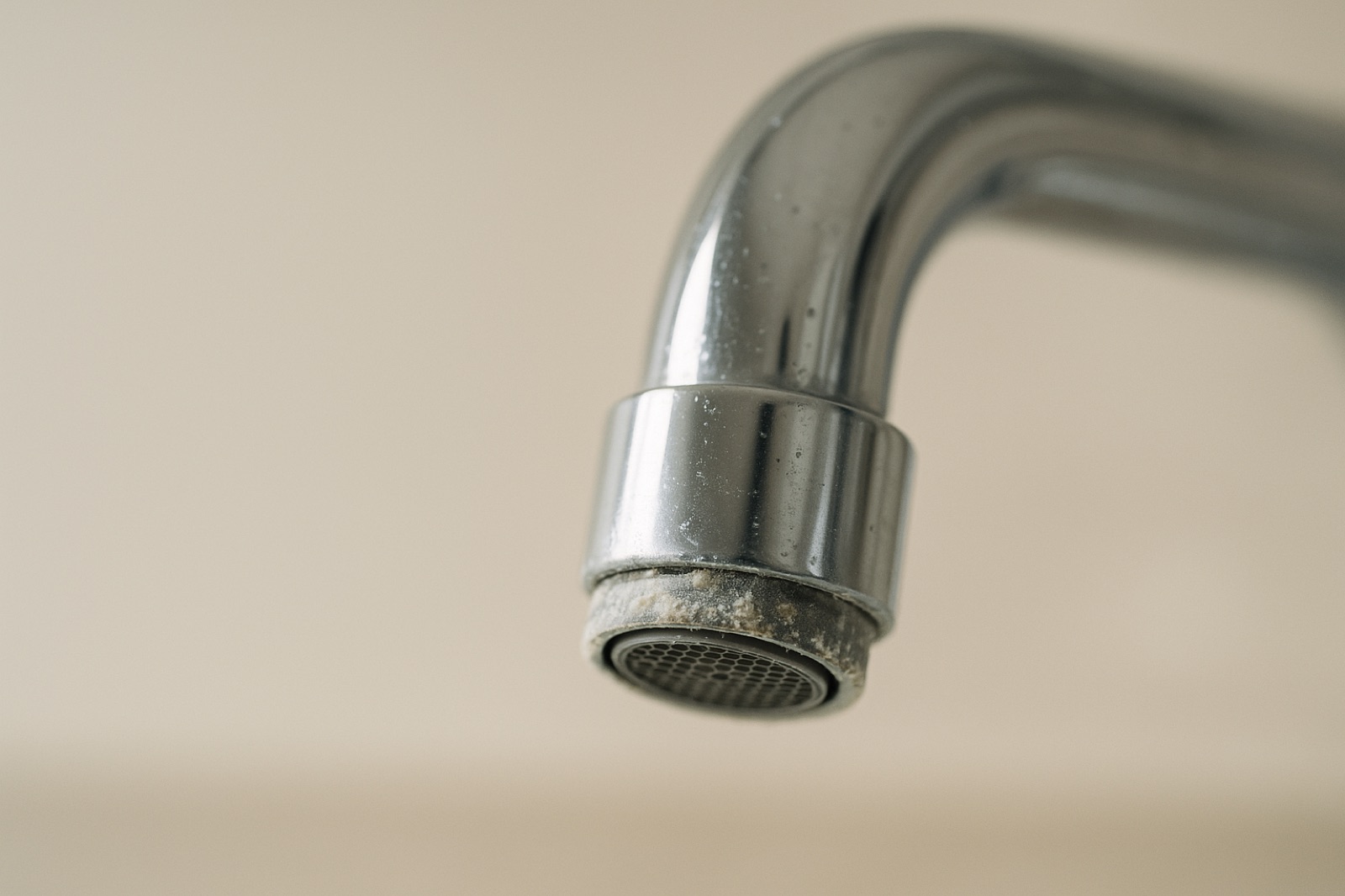
When it comes to ensuring the quality of your drinking water, understanding water filtration systems is essential. Homeowners today are increasingly aware of the importance of having clean, safe water, and filtration systems can be a vital part of achieving that goal.
Why Filtration Matters
With recent discussions around water quality and contamination, such as the widespread concern over PFAS - chemicals that have been detected in drinking water across the United States - it's clear that effective filtration solutions are more important than ever. As noted in a recent article by Water Finance and Management, PFAS have been reshaping the regulatory landscape and prompting public outcry for better water safety measures.
Types of Filtration Systems
There are several types of water filtration systems available, each designed to address specific contaminants. Here are some of the most common types:
- Activated Carbon Filters: These filters are widely used for their effectiveness in removing chlorine, sediment, and volatile organic compounds (VOCs). If you're looking to improve the taste and odor of your water, this is a great option.
- Reverse Osmosis Systems: This advanced filtration method uses a semi-permeable membrane to remove a wide range of contaminants, including heavy metals and certain chemicals. It's a comprehensive solution but does require regular maintenance.
- Ultraviolet (UV) Purifiers: UV purifiers are effective against bacteria and viruses. They work by exposing water to UV light, which kills harmful microorganisms. While they don't remove chemicals, they can be a valuable addition to other filtration systems.
- Whole House Filters: If you're looking for a single solution to filter all the water in your home, whole house systems might be the answer. They typically combine multiple filtration methods to ensure that every tap delivers clean water.
Choosing the Right System
When selecting a filtration system, consider your specific needs. Start by testing your water to identify any contaminants present. Testing kits are widely available and can help you understand what you need to filter out. Additionally, factors such as water consumption, installation requirements, and maintenance costs should influence your decision.
According to the Water Finance and Management, utilities worldwide are adopting advanced technology to enhance their systems and ensure lasting performance. This attention to improving infrastructure means that homeowners should also be proactive about the quality of their own water supplies.
Maintenance and Upkeep
No matter which filtration system you choose, regular maintenance is key to its effectiveness. Follow the manufacturer's guidelines for replacing filters and cleaning the system to ensure that you receive optimal performance. A well-maintained filtration system can provide peace of mind and the assurance that your drinking water is safe.
In Conclusion
Choosing the right water filtration system for your home is an important step towards ensuring safe drinking water for you and your family. With increasing awareness of water quality issues and the need for effective filtration solutions, understanding your options will empower you to make informed decisions. Take the time to explore different systems, test your water quality, and invest in a solution that meets your needs.