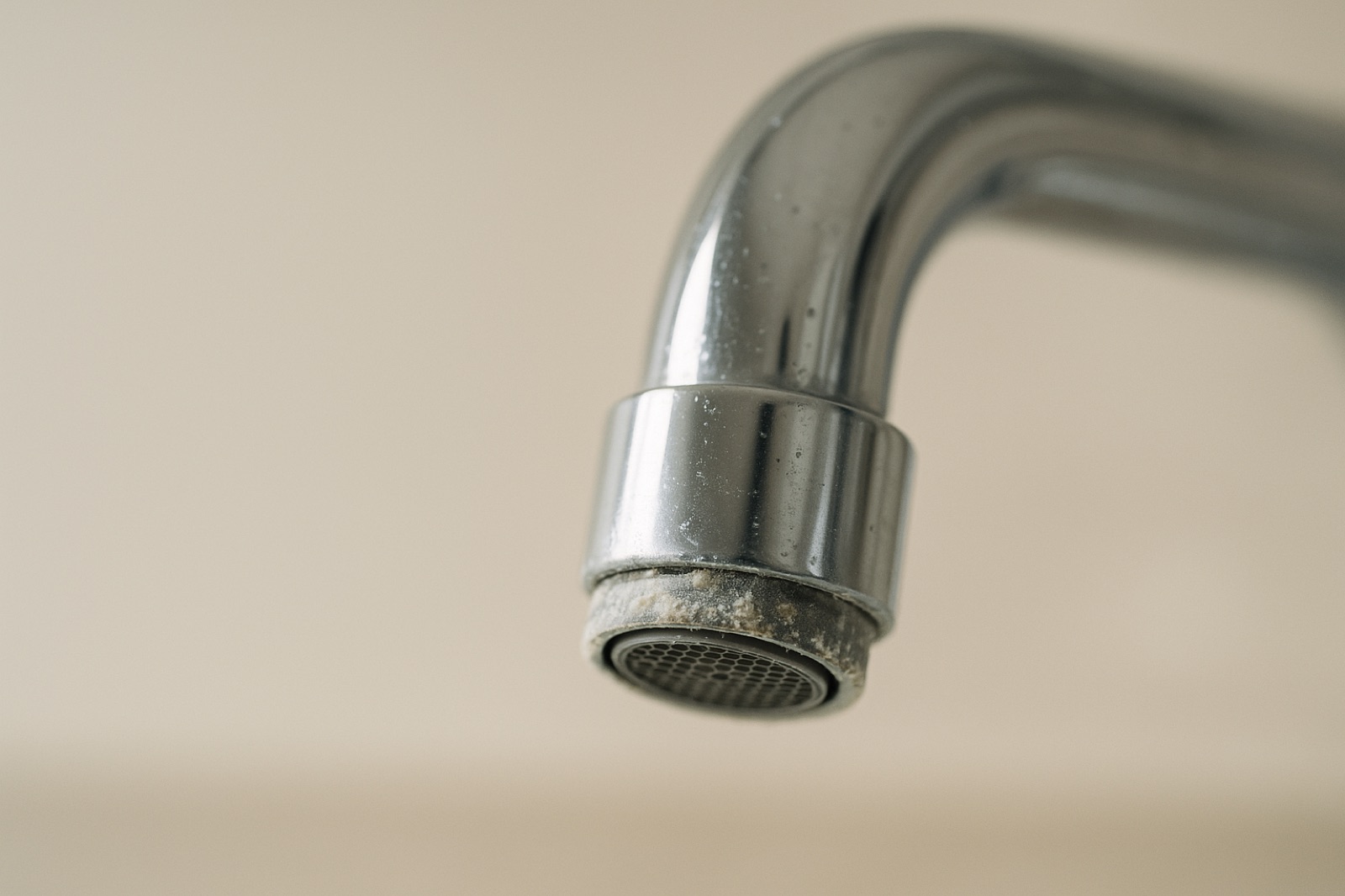
When it comes to ensuring your home has clean and safe drinking water, investing in a reliable water filtration system is crucial. With a variety of options available, understanding the differences can help you choose the right one for your needs.
Why Consider Water Filtration?
While municipal water systems are generally safe, contaminants can still make their way into your supply. Issues like aging infrastructure, environmental changes, and even climate challenges can affect water quality. In fact, recent reports have highlighted the struggles surrounding major water sources, like the Colorado River, which is under significant stress due to climate change and ongoing water rights disputes. As outlined in a Circle of Blue article, "The iconic waterway, fundamental to the region's modern existence... is on the verge of crashing." This situation reinforces the need for homeowners to take proactive measures regarding their water quality.
Types of Water Filtration Systems
There are several types of filtration systems to consider, each with its own benefits:
- Activated Carbon Filters: This is one of the most common home filtration systems. Activated carbon is effective at removing chlorine, sediment, and volatile organic compounds (VOCs), making your water taste and smell better.
- Reverse Osmosis Systems: These systems offer a more comprehensive solution by forcing water through a semi-permeable membrane. This process removes a wider range of contaminants, including heavy metals and certain microbes.
- UV Filters: Ultraviolet filters use UV light to kill bacteria and viruses in your water. While they do not remove chemicals or sediments, they are excellent for ensuring microbiological safety.
- Whole-House Systems: These systems filter all the water entering your home, protecting not only your drinking water but also your plumbing and appliances from sediments and scale.
Choosing the Right System
Your choice will depend on several factors, including the contaminants present in your water, your budget, and your household's water usage. It's essential to start with a water quality test to identify specific contaminants. This can guide you in selecting the most appropriate filtration method.
Reports, such as one from Circle of Blue, note how changing water policies and rights negotiations can impact local water quality. Being informed about these changes can also help you understand potential shifts in your water supply.
Cost Considerations
Cost can vary widely depending on the type of system you choose. While a simple activated carbon filter may cost less than $100, more complex reverse osmosis systems can run from $300 to over $1,000, depending on the brand and features. Don't forget to factor in maintenance costs as well. Regular filter replacements and system maintenance are necessary to ensure optimal performance.
Conclusion
Investing in a filtration system tailored to your specific needs can provide peace of mind, knowing that your family is drinking clean water. It is not just about convenience, but about safeguarding your health and well-being. Take the time to explore your options and ensure that your home is equipped with the right filtration system to meet your family's needs.