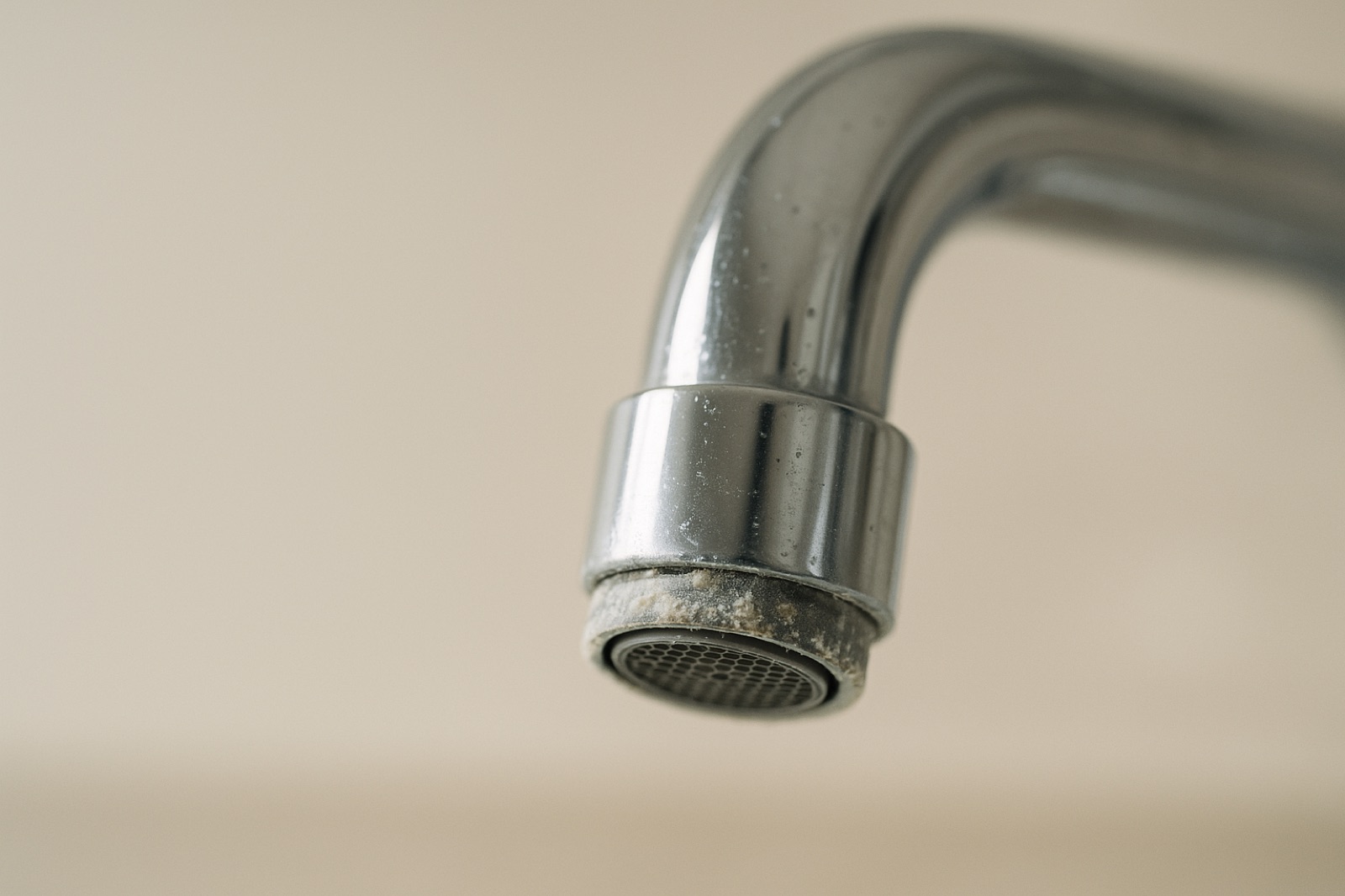
As a homeowner, ensuring that your family has access to clean drinking water is paramount. Water contamination can arise from various sources, including aging pipes, agricultural runoff, and even climate change, leading to concerns about the safety of your drinking water. With recent reports highlighting environmental changes, such as saltwater intrusion in Gambia due to climate shifts (Circle of Blue), it is clear that water quality is not just a local issue but a global concern.
Why Water Filtration Matters
The first step in ensuring the safety of your drinking water is understanding the importance of water filtration systems. Many contaminants, including bacteria, heavy metals, and chemicals, can infiltrate your water supply. Without a proper filtration system, these harmful substances may end up in your glass.
For instance, in many areas affected by climate change, saltwater intrusion is becoming a more pressing concern. This situation is forcing communities to rethink their water sourcing and purification methods. Homeowners need to be proactive in testing their water and exploring filtration options that can address a variety of contaminants.
Types of Water Filtration Systems
When considering filtration systems, you have several options based on your specific water quality needs. Here are some common types:
- Activated Carbon Filters: These are effective for removing chlorine, sediment, and volatile organic compounds (VOCs).
- Reverse Osmosis Systems: Known for their ability to remove a vast range of contaminants, including heavy metals and bacteria, these systems can be quite thorough.
- UV Filter Systems: These are excellent for killing bacteria and viruses but do not remove chemicals or heavy metals.
- Whole House Filters: For comprehensive filtration, these systems treat all water entering your home, ensuring that every tap provides clean water.
Choosing the Right Filtration System
So, how do you choose the right filtration system for your home? Start with a water quality test. This analysis will help you understand what contaminants are present. Jones Air & Water offer free in-home water tests, making it easier for you to assess your specific needs.
Next, consider your household's water consumption, the specific contaminants identified, and your budget. Factor in the maintenance costs and lifespan of the system as well. It’s crucial to select a system that you can manage long-term.
Staying Informed About Water Quality
Being proactive about your water quality is essential. With ongoing climate challenges and changing environmental regulations, it is critical to stay informed. For example, discussions around access to necessary resources, such as air conditioning in extreme heat events, also highlight disparities in access to clean water (The Guardian). As a homeowner, being aware of how these factors intersect can guide your decisions regarding water filtration.
Conclusion
In conclusion, investing in a reliable water filtration system is an essential step in safeguarding your health and ensuring your family's well-being. By understanding your specific water quality needs, testing your water, and selecting the right filtration system, you can enjoy peace of mind knowing that you are providing safe, clean drinking water for your loved ones.