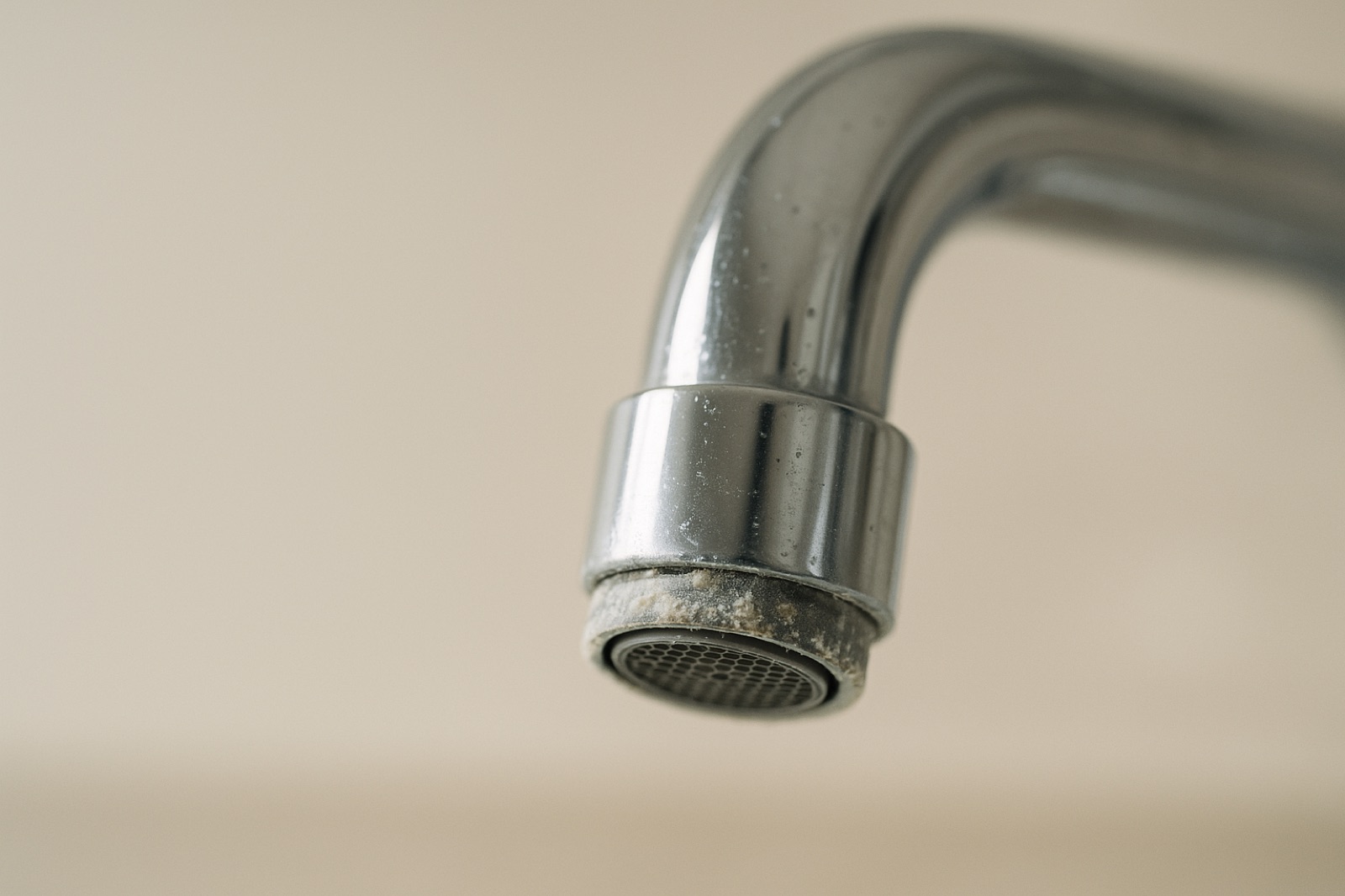
As a homeowner, ensuring the safety and quality of your water supply is paramount. Recent developments in water quality, particularly regarding contaminants like PFAS and microplastics, underscore the necessity of regular water testing. With the U.S. Environmental Protection Agency (EPA) revealing alarming levels of PFAS in drinking water across the country, it’s no wonder that many homeowners are feeling a sense of urgency.
The Rising Tide of Contaminants
PFAS, often referred to as "forever chemicals," have emerged as a significant concern due to their widespread presence in drinking water. According to a recent article from Water Finance and Management, PFAS have reshaped the drinking water regulatory landscape, revealing their presence in various sources of water nationwide. This isn't just a theoretical problem; it has real implications for homeowners who want to ensure their families are drinking safe water.
Why You Should Test Your Water
For many homeowners, the thought of testing their water may feel overwhelming, but it’s actually a straightforward process that can provide invaluable peace of mind. Testing can identify harmful contaminants that may be infiltrating your home’s water supply, allowing you to take necessary actions. Whether you are on a municipal system or using a private well, knowing what is in your water is crucial.
One major concern is microplastics. These tiny particles have been found in drinking water sources, and while the full health effects are still being studied, their presence is alarming. Homeowners are encouraged to consider testing their water for contaminants that could be harmful.
Recent Developments and Community Support
In June, the EPA announced it was directing over $227 million in funding to improve drinking water and wastewater services for American Indian Tribes and Alaska Native Villages. This initiative demonstrates a commitment to ensuring that even the most vulnerable communities have access to safe and reliable drinking water. As part of this funding effort, better infrastructure and testing facilities will likely be developed, benefiting those communities and setting a precedent for others.
This funding initiative exemplifies the growing acknowledgment of the need for clean drinking water at all levels of society. As communities push for better water management, homeowners should also take proactive steps to test and improve their water quality.
Choosing the Right Testing Method
When deciding to test your water, it’s essential to choose the right method. You can opt for DIY testing kits available at home improvement stores or online, which are generally easy to use. Alternatively, you may prefer to hire a professional testing service, which can offer a more comprehensive analysis of your water supply.
Regardless of the method you choose, regular testing is a key step towards safeguarding your home and family. The knowledge gained from these tests can inform your choices about filtration systems or any necessary treatments.
Staying Informed
Staying informed about your water quality is not just a personal responsibility; it’s part of being an engaged member of your community. By testing your water, discussing concerns with neighbors, and participating in local initiatives, you contribute to a collective effort to ensure the safety of everyone’s drinking water.
In conclusion, as contaminants like PFAS and microplastics continue to dominate the conversation around water safety, taking the initiative to test your water has never been more critical. With the recent EPA funding aimed at improving water quality for vulnerable populations and the growing awareness of contamination issues, now is the time to ensure your home’s water is safe for you and your family.