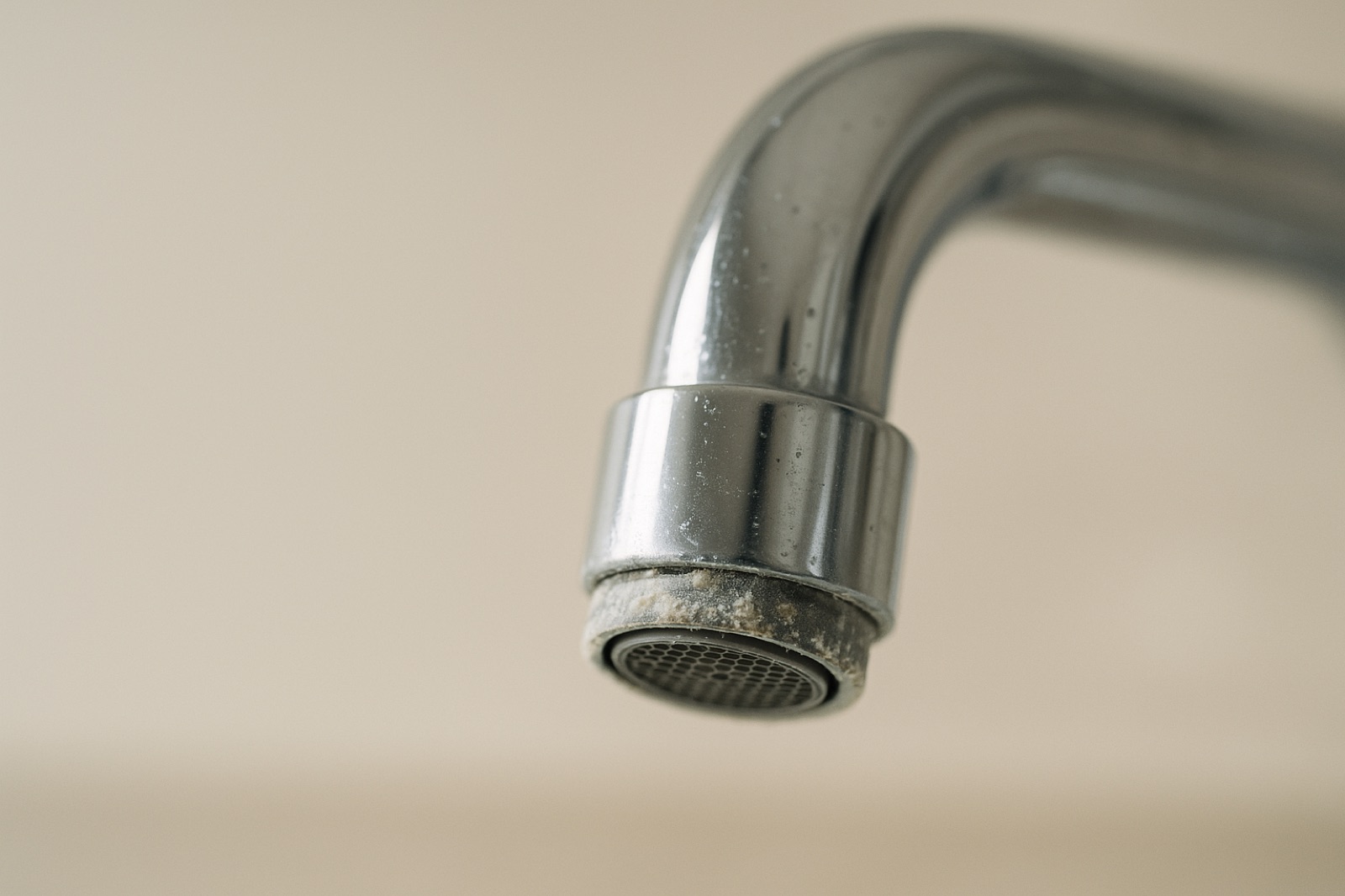
As a homeowner, you want to ensure that the water you drink and use in your daily life is safe and clean. With growing concerns about contaminants like PFAS, testing your water has never been more essential. PFAS, often referred to as forever chemicals due to their persistence in the environment, can have concerning health implications. Understanding how to test for these substances can help you make informed decisions about your water quality.
What Are PFAS?
Per- and polyfluoroalkyl substances (PFAS) are a group of man-made chemicals used in various products for their water- and grease-resistant properties. They can be found in non-stick cookware, water-repellent clothing, and even in food packaging. Unfortunately, these chemicals have been linked to health issues, making it crucial for homeowners to be aware of their presence in drinking water.
The Importance of Testing
Recent news highlights the urgency of testing for PFAS in water supplies. The EPA is set to release draft guidance for PFAS in biosolids to help manage the risks associated with these chemicals. This indicates a wider recognition of the need for transparency and safety when it comes to water quality. Regular testing can help you understand what contaminants may be present in your water and allow you to take action if necessary.
How to Test for PFAS
Testing for PFAS can be done through home testing kits or by sending samples to a certified laboratory. Home kits are convenient and easy to use; however, laboratory testing is often more comprehensive and can provide detailed insights into various types of PFAS. Before choosing a method, consider what contaminants you are most concerned about and whether the testing service is accredited.
Choosing a Reliable Testing Kit
If you opt for a home testing kit, look for one that specifically mentions PFAS detection. Read reviews and consider the recommendations of other homeowners who have used the kit. A reliable kit will come with clear instructions and provide accurate results. Remember, while home testing kits can be informative, they may not cover the full spectrum of PFAS compounds. For a thorough evaluation, sending your water sample to a lab can yield more precise results.
Next Steps After Testing
Once you receive your results, what should you do next? If PFAS levels are detected, it’s vital to take action. This could involve installing a filtration system designed to remove these contaminants, such as activated carbon filters or reverse osmosis systems. Always consult with a water treatment professional to understand the best solution for your specific situation.
Staying Informed and Proactive
The conversation about water safety is only beginning to gain momentum, especially with recent articles focusing on the environmental impact of ongoing issues like PFAS contamination. In a related discussion, the AI boom is prolonging Indiana's fossil fuel era, which highlights that the conversation extends beyond just personal safety to environmental implications as well.
By taking the initiative to test your water, you are not only ensuring your family's safety, but you are also contributing to a larger movement advocating for cleaner water. As the landscape of water quality continues to evolve, staying informed and proactive will empower you as a homeowner. Remember, the health of your home starts with clean, safe water.