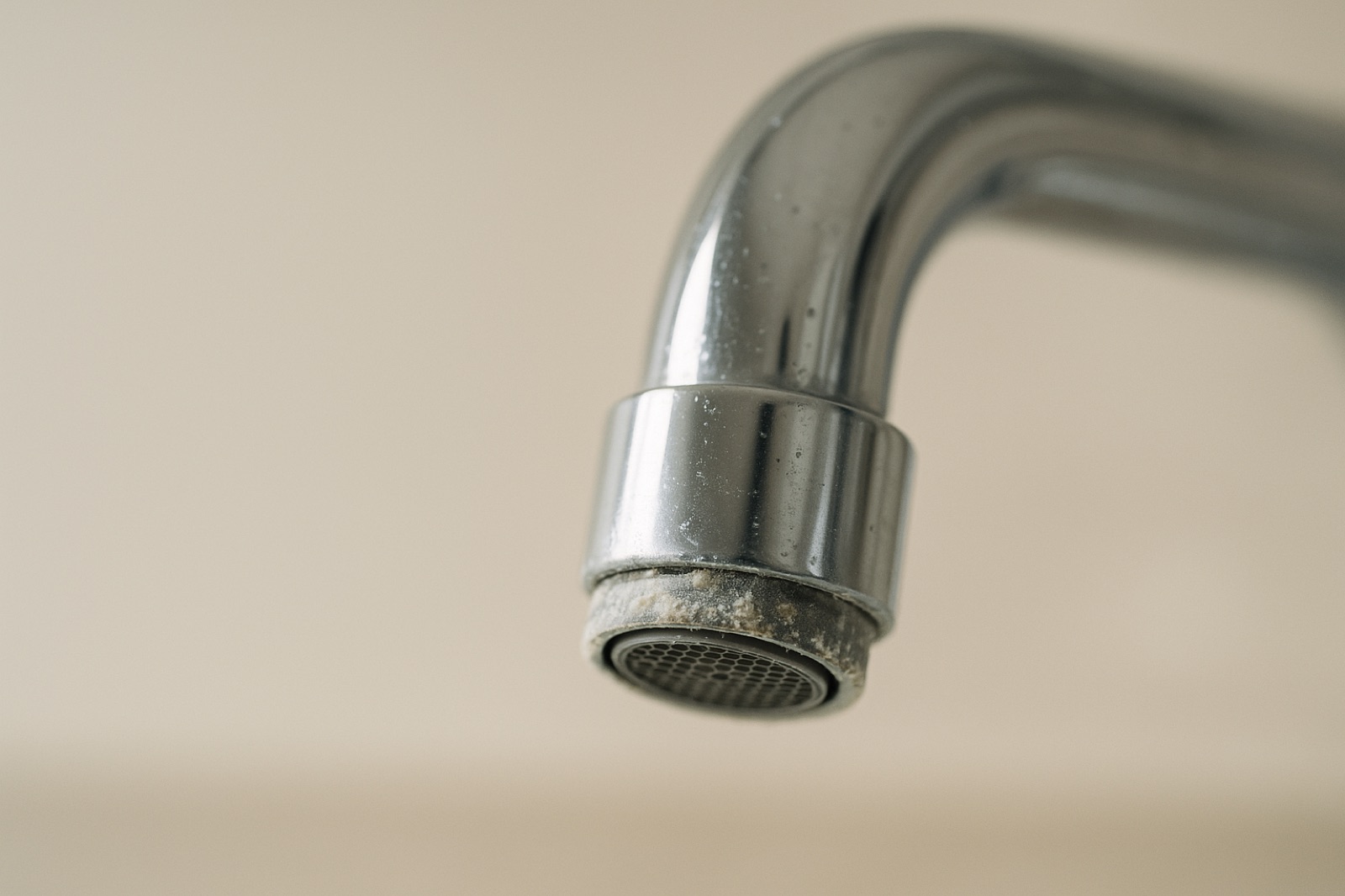
As homeowners, we often take for granted the quality of the water that flows from our taps. However, as climate change continues to impact global water supplies, it is essential to understand how factors like salt water intrusion can affect our water quality and what we can do about it.
What is Salt Water Intrusion?
Salt water intrusion occurs when sea water encroaches into freshwater aquifers, often due to rising sea levels or excessive groundwater extraction. This phenomenon can lead to the contamination of drinking water supplies, particularly in coastal areas. For instance, a recent report from Circle of Blue highlights how in Gambia, farmers are witnessing the direct impact of this issue as their farmland is increasingly threatened by saline water.
Why Should Homeowners Care?
For many homeowners, the implications of salt water intrusion may not seem immediate. However, if you live near a coast or in an area reliant on groundwater, your drinking water could be at risk. Increased salt levels can affect not only taste but also the safety of your water supply, requiring additional filtration measures.
Filtration Solutions
To combat the effects of salt water in your drinking water, investing in a quality filtration system is crucial. While standard filters may improve taste, they may not effectively remove all contaminants associated with salt water. Here are a few options to consider:
- Reverse Osmosis Systems: These systems are designed to remove a wide range of contaminants, including salt and other dissolved solids. They work by forcing water through a semi-permeable membrane, effectively filtering out impurities.
- Ion Exchange Systems: These systems are particularly effective at softening water and can help reduce sodium levels. They work by exchanging ions in the water with sodium ions, thereby reducing the hardness and salinity.
- Activated Carbon Filters: While these are great for improving taste and reducing chlorine, they may not be sufficient for salt water intrusion. It is advisable to combine them with other filtration methods for better results.
Stay Informed and Prepared
As climate change continues to influence our water systems, staying informed is essential. The recent EPA draft guidance highlights the importance of understanding contaminants in our water supply, particularly as it relates to biosolids containing PFAS. While this guidance focuses on chemicals in wastewater, it underscores the need for homeowners to actively engage with their local water quality issues.
Taking steps to filter and purify your water can mitigate risks associated with salt water intrusion and other contaminants. Remember that regular testing of your water can provide valuable insights into what might be affecting your water quality.
Conclusion
In conclusion, salt water intrusion is an increasing threat that can impact water quality for homeowners, especially in coastal regions. By investing in effective filtration systems and staying informed about water quality issues, you can protect your home and family from the unseen risks in your drinking water.