As climate change continues to reshape our environment, one of the most pressing issues for homeowners is the impact of salt water intrusion on drinking water sources. This phenomenon occurs when rising sea levels push saltwater into freshwater aquifers, compromising the quality of water that many communities rely on.
What Is Salt Water Intrusion?
Salt water intrusion primarily affects coastal areas where groundwater supplies are drawn from aquifers that are close to the ocean. As sea levels rise due to climate change, the balance between freshwater and saltwater becomes disrupted. When the pressure from the freshwater is reduced - whether due to drought, over-extraction, or sea level rise - saltwater can intrude into aquifers, making the water undrinkable. This is especially concerning for homeowners who depend on well water.
The Impact on Drinking Water
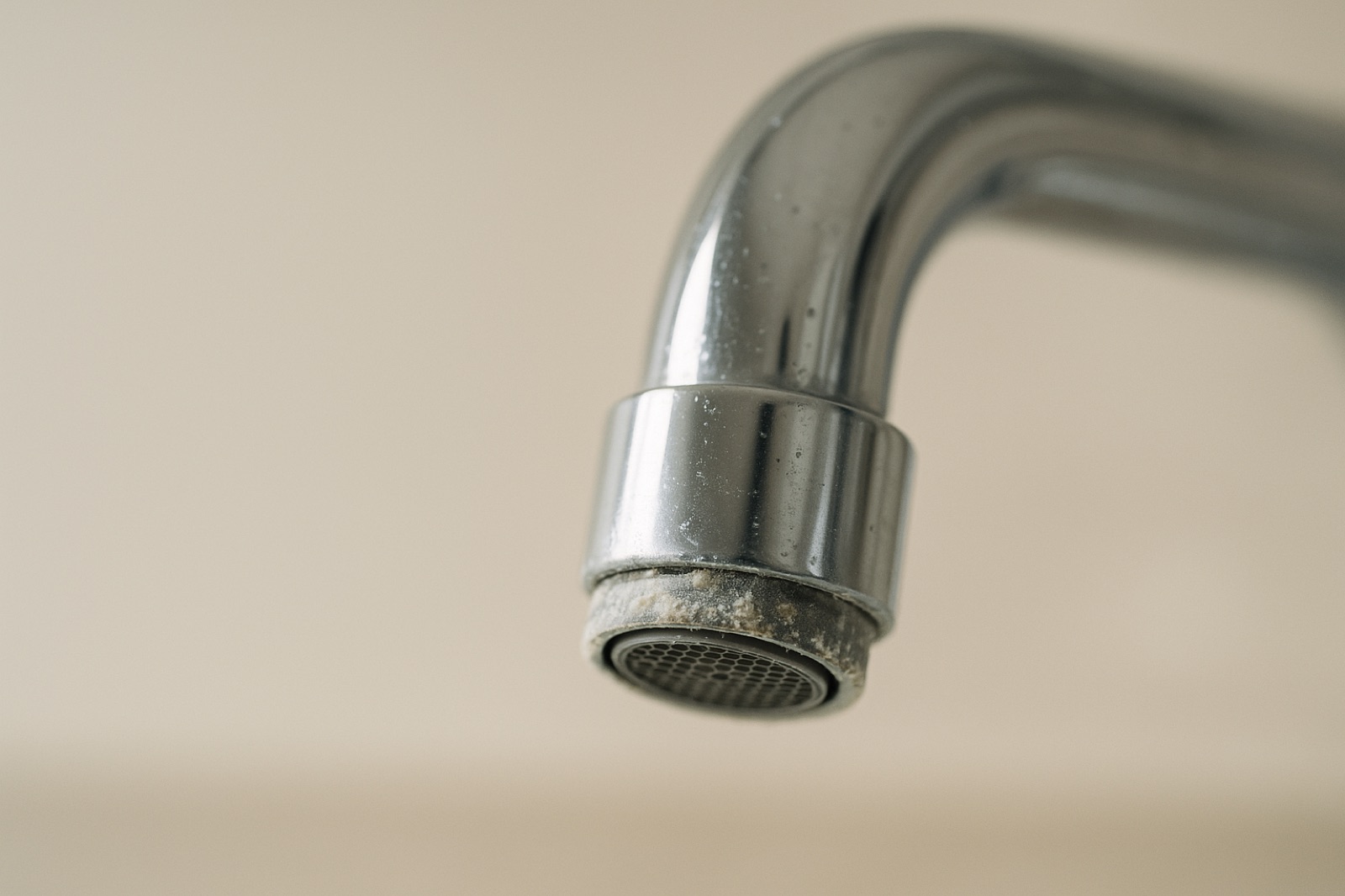
The immediate effect of salt water intrusion is the degradation of water quality. Increased salinity in drinking water can lead to a host of issues, including corrosion of pipes and fixtures, which can result in costly repairs. Moreover, the taste of the water changes, making it less palatable and more challenging for everyday use. Homeowners may notice a salty or briny flavor in their water, prompting the need for additional filtration options.
Solutions for Homeowners
For those living in areas affected by salt water intrusion, addressing water quality becomes a priority. Here are some practical steps you can take:
- Assess Your Water Quality: Start with a comprehensive water test to determine the levels of salinity and other contaminants in your supply.
- Consider Filtration Systems: Depending on your water quality results, you may need to invest in a robust filtration system. Reverse osmosis systems are particularly effective in removing salt and other impurities.
- Explore Alternative Water Sources: In extreme cases, it might be beneficial to look into alternative water supply options, such as rainwater harvesting or connecting to municipal water services if available.
- Stay Informed: Keep an eye on local news and governmental reports regarding water quality in your area. For instance, the recent announcement from the U.S. Environmental Protection Agency (EPA) about directing funds to improve water services for American Indian Tribes and Alaska Native Villages highlights the importance of clean and reliable drinking water sources (Water Finance and Management).
Climate Change and Future Considerations
As the climate continues to change, the threat of salt water intrusion will likely become more widespread. Homeowners in coastal regions should be proactive in understanding how these changes may affect their water quality and what steps they can take to protect their homes. This might involve routine water testing and investing in technologies that ensure safe drinking water.
The Bigger Picture
Salt water intrusion is not just a local problem; it is a growing global concern. In places like Gambia, communities are already feeling the effects of climate change on their water supply, facing challenges such as salt water intrusion as a significant issue (Circle of Blue). As homeowners, it's crucial to recognize the long-term implications of these environmental changes and take action. Investing in filtration solutions not only safeguards your household but also contributes to a larger commitment to environmental sustainability.
In summary, staying informed and prepared can help you navigate the challenges posed by salt water intrusion, ensuring that your home's water supply remains safe and reliable.