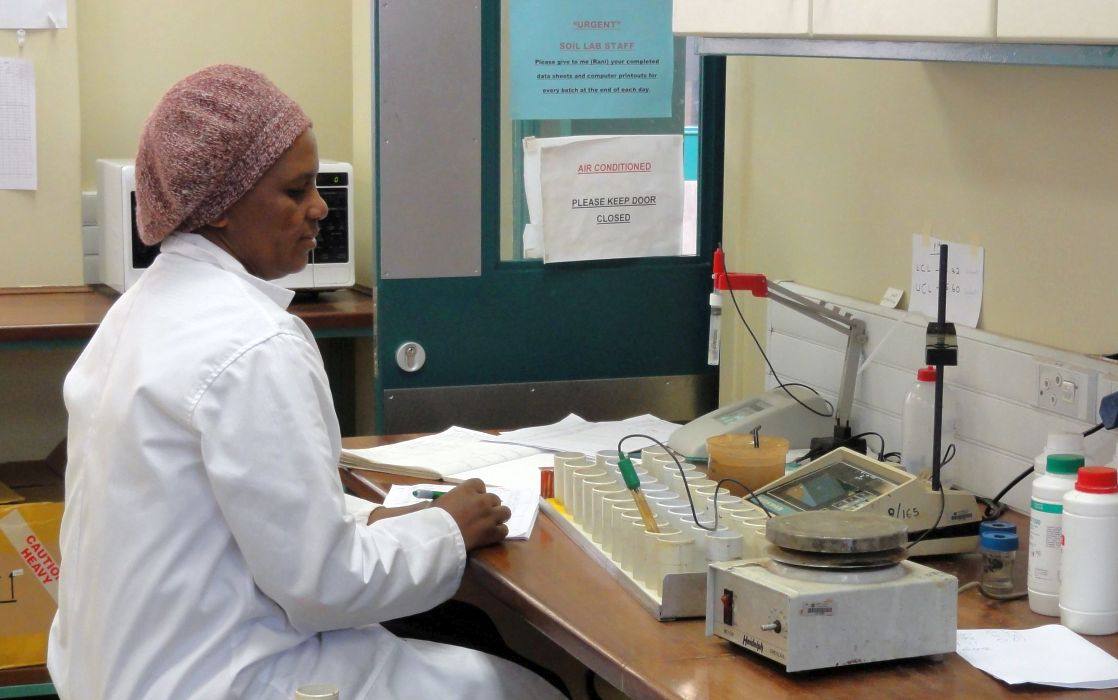
As a homeowner, your water supply is essential to your daily life, not just for drinking but also for cooking, cleaning, and maintaining a healthy home. Recent news reports have highlighted the ongoing issues surrounding water quality, particularly concerning contaminants like PFAS. Understanding these contaminants and their potential effects on your water supply is crucial for ensuring your family’s safety.
What Are PFAS?
PFAS, or per- and polyfluoroalkyl substances, are a group of synthetic chemicals that have been used in various industries since the 1940s. They are often referred to as “forever chemicals” due to their persistence in the environment and human body. PFAS are commonly found in products such as non-stick cookware, water-repellent clothing, and food packaging.
The Scope of the Problem
According to a report from Water Finance and Management, PFAS have reshaped the drinking water regulatory landscape over the past decade. This shift has been driven by increasing public awareness and concern about the presence of PFAS in drinking water supplies across the United States. Many homeowners may unknowingly be exposed to these contaminants, as PFAS have been found in various water sources.
The recent Fifth Unregulated Contaminant Monitoring Rule (UCMR 5) highlighted the widespread presence of PFAS in drinking water, sparking public outcry and demand for action. It has become increasingly evident that these contaminants pose a significant risk to water quality, leading many to question the safety of their water supply.
How to Address PFAS in Your Water
As a homeowner, there are several steps you can take to address potential PFAS contamination in your water supply:
- Test Your Water: The first step is to know what is in your water. Consider investing in a home water testing kit that can detect PFAS levels. Many local health departments or environmental agencies also offer testing services.
- Choose the Right Filtration System: If your water tests positive for PFAS, using a filtration system designed to remove these contaminants is essential. Reverse osmosis systems and activated carbon filters are known for their effectiveness in reducing PFAS levels. Be sure to check the specifications and certifications of the filter you choose.
- Stay Informed: Keep up with local water quality reports and any advisories issued by your municipality regarding PFAS. Being informed about your water source can help you make better decisions for your household.
- Advocate for Change: Engage in local community efforts to address water quality issues. Whether it is attending town hall meetings or advocating for policy changes, being an active voice in your community can lead to improvements in water safety.
The Bigger Picture
It is essential to recognize that PFAS contamination is not just a local issue but part of a larger environmental challenge. Recent funding initiatives, like the EPA's announcement of over $227 million aimed at improving drinking water and wastewater services for American Indian Tribes and Alaska Native Villages, illustrate the federal government’s commitment to addressing water quality issues across the nation.Water Finance and Management highlights how these funds will help enhance access to safe and reliable drinking water.
As you navigate the waters of homeownership, understanding the impact of PFAS on your water supply is crucial for ensuring your family’s health and safety. By taking proactive steps, you can protect your home and contribute to the broader efforts to improve water quality for everyone.