Polyfluoroalkyl substances, commonly known as PFAS, have entered the public consciousness as a serious concern for drinking water quality. These chemicals, often referred to as "forever chemicals" because of their persistence in the environment, have been linked to various health issues. As a homeowner, understanding PFAS and its implications for your water supply is essential for ensuring the safety and quality of the water you use every day.
What Are PFAS and Why They Matter
PFAS are a group of man-made chemicals used in various industrial applications and consumer products such as non-stick cookware, stain-resistant fabrics, and food packaging. The problem arises when these substances leach into the water supply. A recent article from Water Finance and Management points out that the Fifth Unregulated Contaminant Monitoring Rule revealed the widespread presence of PFAS in drinking water across the United States. This revelation has sparked increased public outcry and a demand for better regulation and remediation efforts.
Where PFAS Are Found
PFAS contamination is not limited to urban areas or industrial sites; it has been discovered in regions you might not expect. For instance, the North Bay area in Ontario has been identified as a hotspot for PFAS contamination, as highlighted in an article from Circle of Blue. Here, federal officials have been working to address the longstanding contamination of the city’s waterways, demonstrating that PFAS are a widespread issue affecting various communities.
Testing Your Water for PFAS
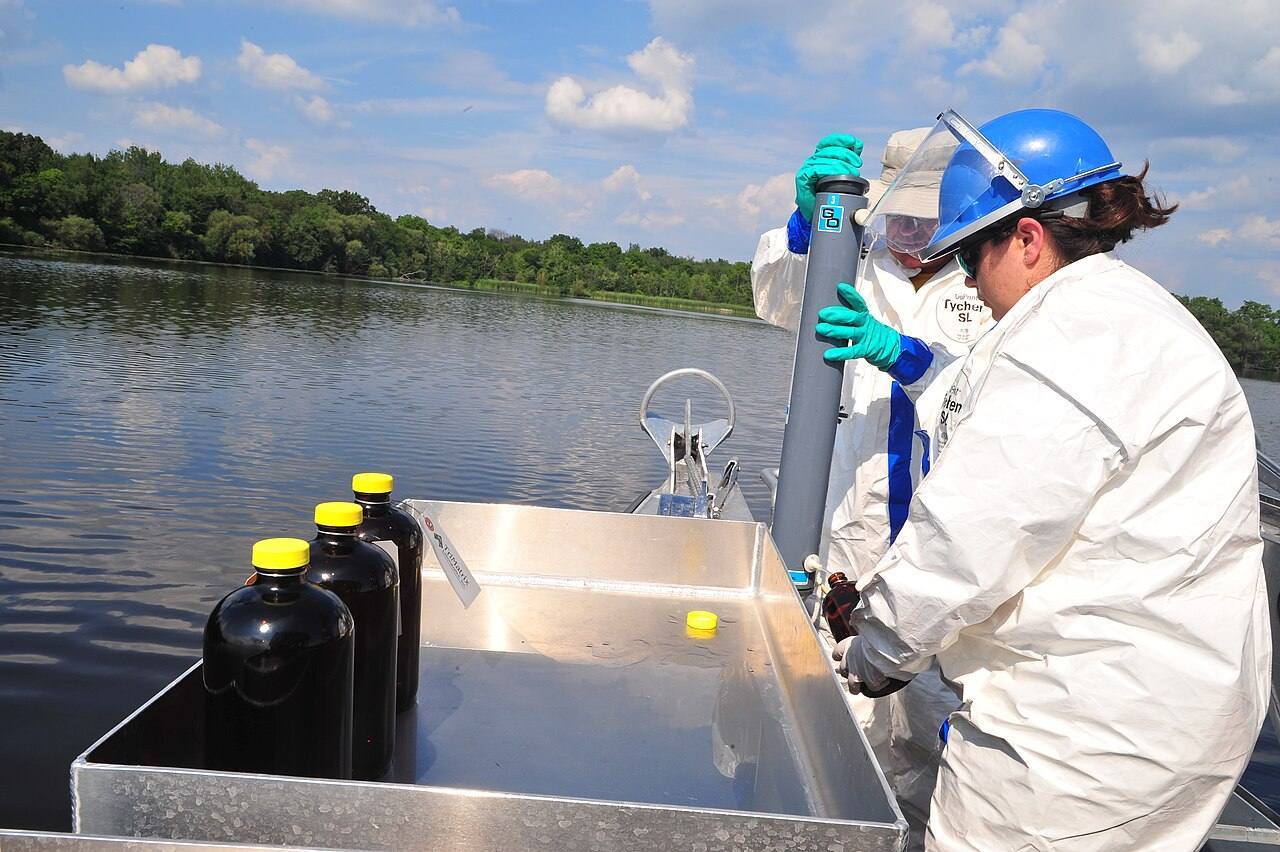
Before taking action, it is crucial to determine whether your water supply contains PFAS. Home testing kits are available, but you may also consider hiring a professional service to conduct a thorough analysis. Testing typically involves sending a water sample to a laboratory, where they will measure the concentration of PFAS and other contaminants. Knowing the levels of PFAS in your water will empower you to make informed decisions about filtration and treatment options.
Filtration Solutions for PFAS Removal
If your water tests positive for PFAS, the next step is to consider filtration options. Not all water filtration systems are created equal, so it is essential to choose one that specifically targets these compounds. Here are a few types of filtration methods effective against PFAS:
- Activated Carbon Filters: These filters can adsorb PFAS compounds, effectively reducing their concentration in drinking water. However, it's vital to choose high-quality carbon filters designed for PFAS removal.
- Reverse Osmosis Systems: This method uses a semipermeable membrane to remove a broad range of contaminants, including PFAS. While these systems can be more expensive upfront, they provide a high level of purification.
Staying Informed and Engaged
In light of the ongoing research and developments surrounding PFAS, it’s important to stay informed about local water quality issues. Regularly check for public water quality reports and updates from local health departments. Engaging with community efforts aimed at addressing water quality concerns can also amplify the push for improved regulations and remediation efforts.
As PFAS continue to make headlines, understanding their implications for your home's water quality is crucial. By testing your water and exploring effective filtration solutions, you can take proactive steps to safeguard your family's health and well-being.