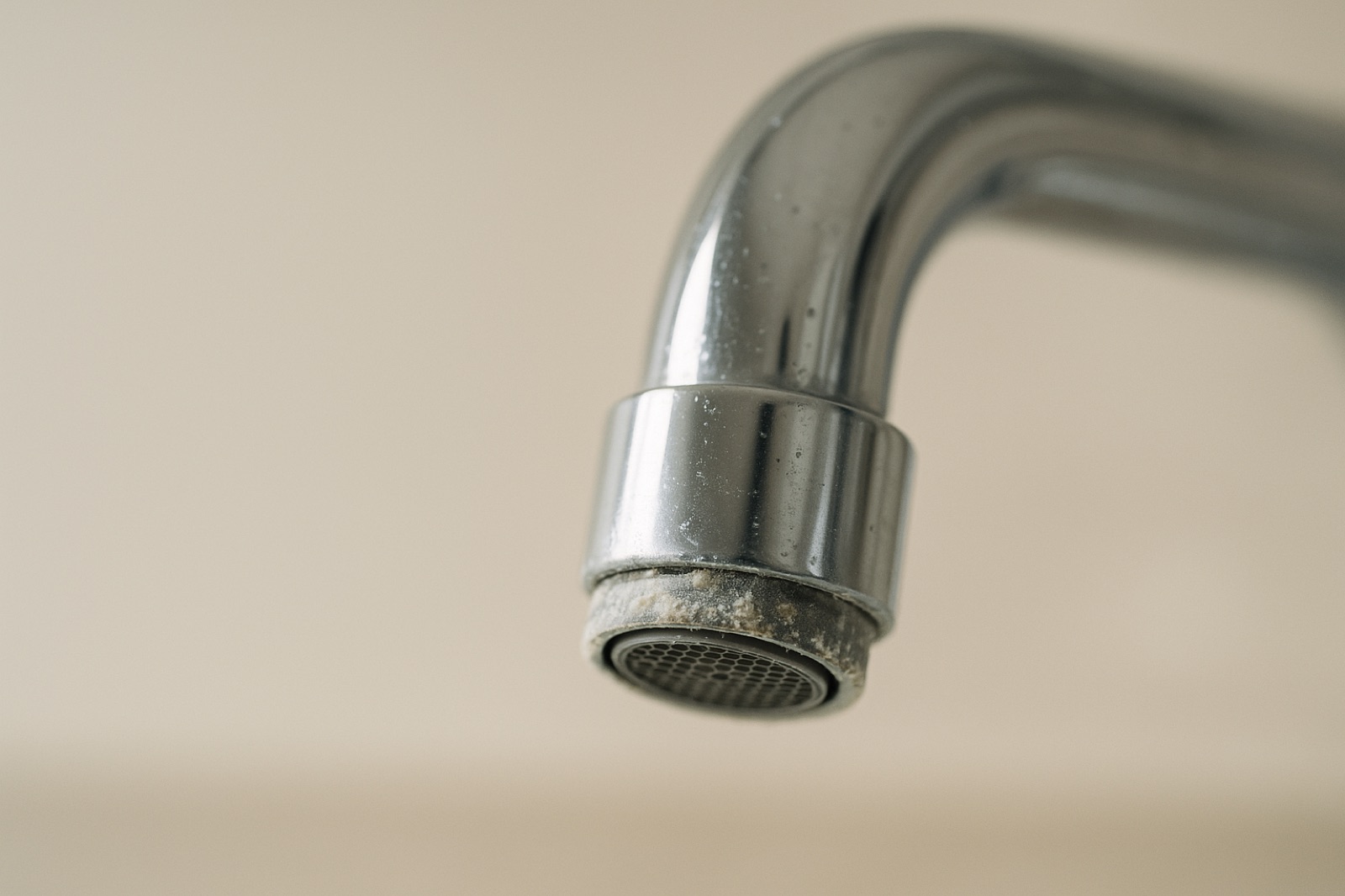
As a homeowner, ensuring clean and safe water for your family is a top priority. With the growing concern surrounding contaminants like PFAS (per- and polyfluoroalkyl substances) and microplastics, understanding their impact on your home’s water supply is crucial. Recently, an article from Water Finance and Management highlighted how PFAS have reshaped the drinking water regulatory landscape, revealing their widespread presence in drinking water across the United States. This situation adds to the public outcry for safer drinking water.
What Are PFAS and Microplastics?
PFAS are a group of man-made chemicals used in a variety of products for their water- and grease-resistant properties. They have been linked to various health concerns, prompting regulatory bodies to scrutinize their levels in drinking water. Microplastics, on the other hand, are tiny plastic particles that come from the breakdown of larger plastic items or are intentionally manufactured for use in products like cosmetics and industrial processes.
Why Should Homeowners Be Concerned?
The emergence of PFAS and microplastics in drinking water is alarming. PFAS contamination has been detected in many parts of the country, raising questions about the quality and safety of tap water. Even more concerning is the fact that microplastics have been found in both drinking water and food supplies. These contaminants can infiltrate your home’s water system and ultimately affect your family's health.
Testing for PFAS and Microplastics
The first step in addressing potential contamination is testing your water. Many local health departments and private companies offer water testing services specifically for PFAS and microplastics. It is advisable to have your water tested, especially if you live near industrial sites or areas known for contamination. Understanding the levels of these substances in your water will help you determine how to proceed.
Filtration Solutions
If testing reveals the presence of PFAS or microplastics in your home water supply, filtration systems can be an effective solution. There are various types of filtration methods available, including:
- Activated Carbon Filters: These are effective in reducing PFAS levels in drinking water. However, they may not completely eliminate all types of PFAS.
- Reverse Osmosis Systems: This method uses a semi-permeable membrane to remove contaminants. It is highly effective for both PFAS and microplastics.
- Whole-House Filtration Systems: For comprehensive treatment, these systems filter water at the point of entry, ensuring that all water used in the home is treated.
When choosing a filtration system, consider certification from organizations like NSF International, which tests and verifies the effectiveness of these products for specific contaminants.
Staying Informed and Proactive
Keep in mind that the landscape of water quality is continuously evolving. Reports like the one from Water Finance and Management remind us that understanding the implications of PFAS and microplastics is vital. Being aware of what’s in your water will empower you to take action for your family’s health.
Ultimately, investing in proper testing and filtration will contribute to safer drinking water and peace of mind. By staying informed and proactive, you can make sound decisions that protect your home and your loved ones from the potential dangers of water contaminants.