Per- and polyfluoroalkyl substances, commonly known as PFAS, have become a significant concern for homeowners across the United States. Often referred to as "forever chemicals" due to their persistent nature, PFAS are used in various products, including non-stick cookware and water-resistant clothing. These substances have been increasingly detected in drinking water sources, leading to heightened awareness and concern for water quality.
The Fifth Unregulated Contaminant Monitoring Rule (UCMR 5) has revealed that PFAS are widely present in drinking water across the country. This has led to an outcry from the public, emphasizing the need for effective filtration solutions in homes. According to a report by Water Finance and Management, "PFAS have reshaped the drinking water regulatory landscape," indicating that regulatory bodies are taking the presence of these chemicals seriously.
What Are PFAS and Why Are They a Concern?
PFAS are a group of man-made chemicals that are highly resistant to heat, water, and oil. Due to their chemical structure, they do not break down easily in the environment, leading to their accumulation in water sources and the human body. Exposure to PFAS has been linked to various health risks, including hormone disruption and immune system issues, which is why many homeowners are concerned about their presence in drinking water.
How Do PFAS Enter Your Water Supply?
PFAS can enter water supplies through several pathways, including industrial discharges, the use of firefighting foam containing these chemicals, and even landfill leachate. Some areas, such as North Bay in Ontario, have become hotspots for PFAS contamination, prompting local authorities to address the longstanding issue of water quality in the region, as highlighted by a recent article from Circle of Blue.
Testing for PFAS in Your Water
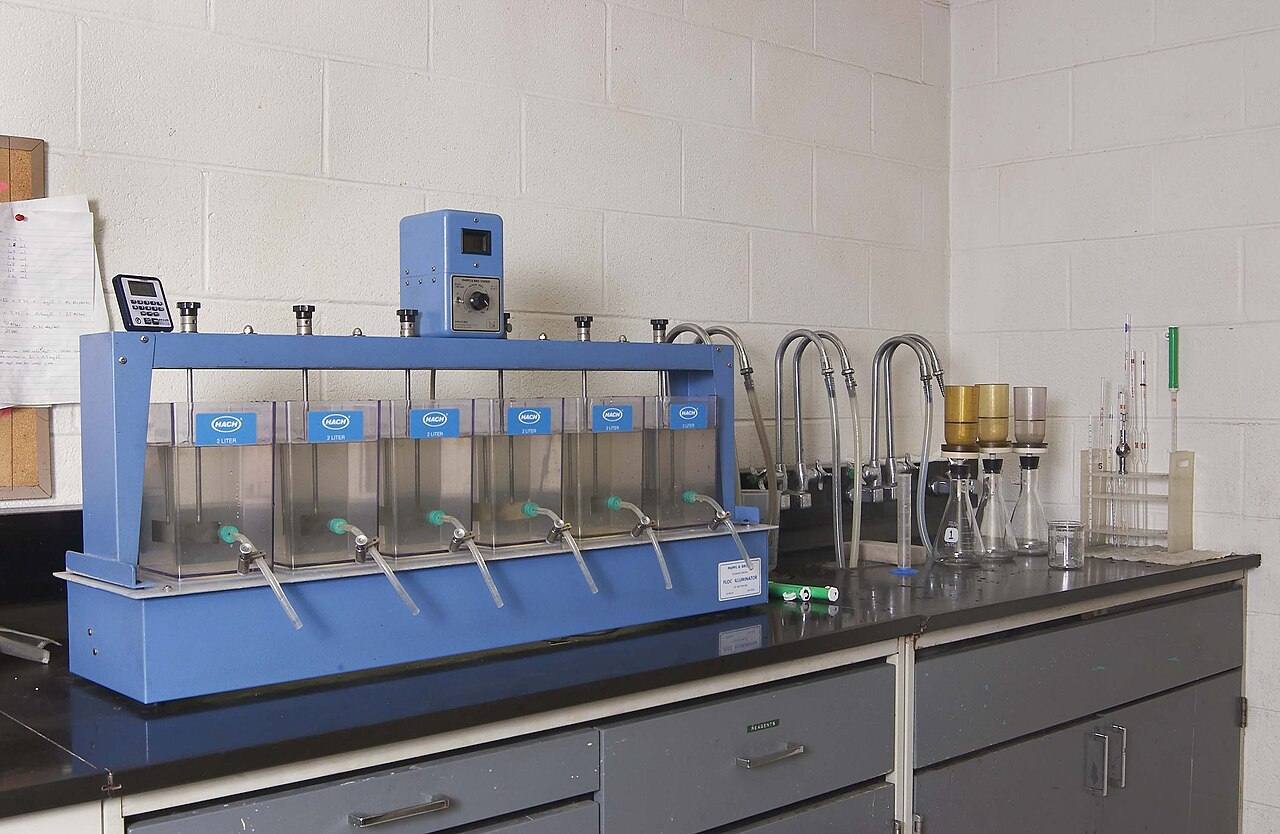
Before investing in filtration solutions, it is important to test your water for PFAS contamination. Homeowners can either use DIY test kits or hire professionals to conduct comprehensive water testing. Understanding your water quality is the first step in determining what type of filtration system you may need.
Filtration Solutions for PFAS
If your water test reveals the presence of PFAS, you may want to consider installing a filtration system designed to reduce or eliminate these chemicals. There are several types of filtration systems available, including:
- Activated Carbon Filters: These filters can effectively reduce certain PFAS compounds from drinking water, but not all models are created equal. Be sure to choose a filter specifically rated for PFAS removal.
- Reverse Osmosis Systems: These systems are highly effective at removing a wide range of contaminants, including PFAS. They work by forcing water through a semi-permeable membrane, filtering out many harmful substances.
- Ion Exchange Resins: This technology specifically targets PFAS and can be combined with other filtration methods for enhanced effectiveness.
When selecting a filtration system, be sure to check for certifications that confirm its effectiveness in removing PFAS. Resources like the Centers for Disease Control and Prevention have guidelines on effective treatment methods.
Taking Action
As a homeowner, monitoring and addressing potential PFAS contamination in your water supply is crucial. With ongoing discussions about water rights and access to clean drinking water, such as those highlighted in Circle of Blue, it is clear that the issues surrounding water quality are complex and interconnected.
By staying informed about the potential risks posed by PFAS and taking steps to test and improve your home's water quality, you can ensure that you and your family are drinking safe and clean water. Remember, knowledge is power, and the better informed you are, the better equipped you will be to make decisions that protect your family's health.