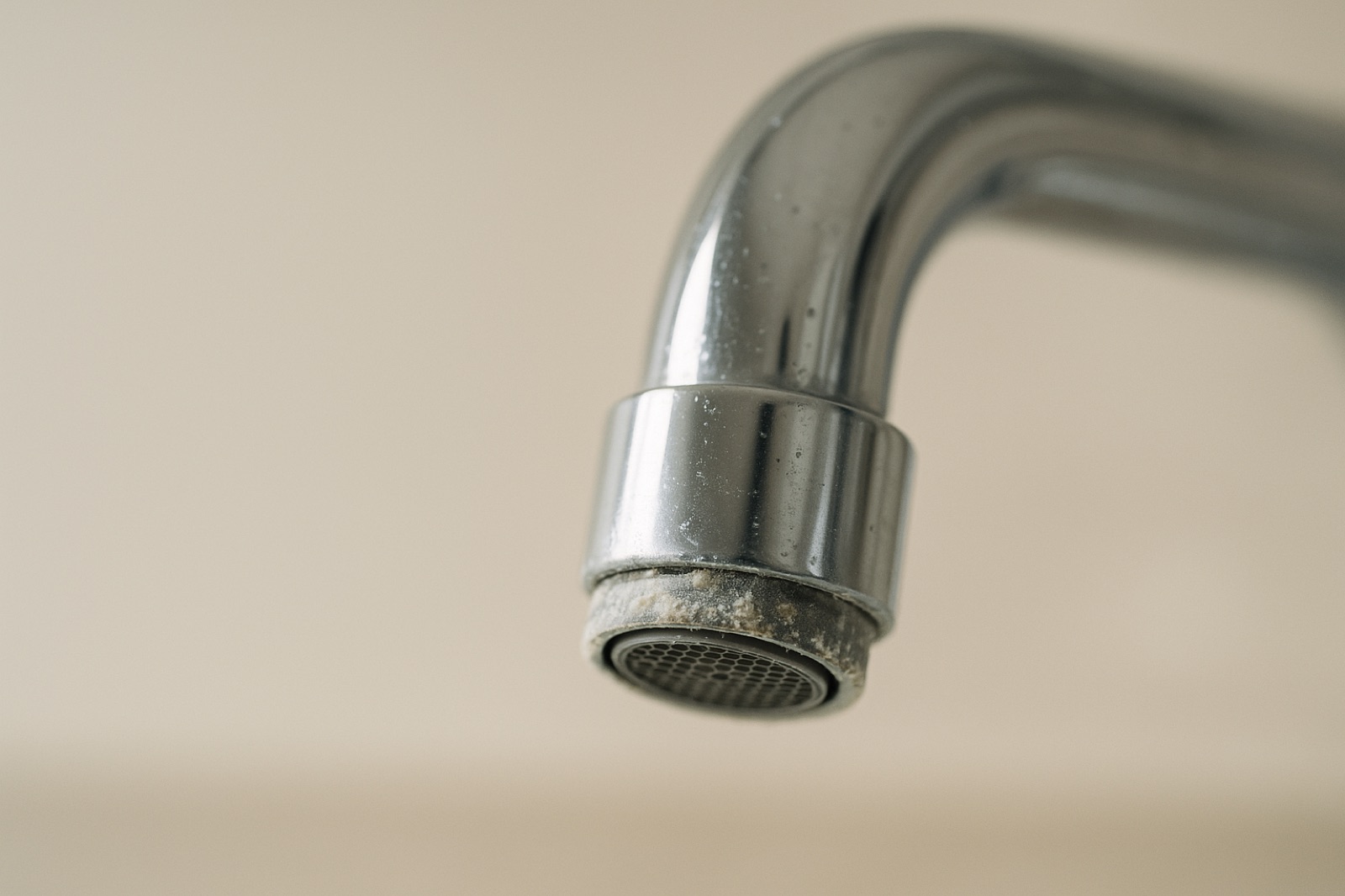
When you turn on the tap to pour a glass of water, do you ever wonder what might be lurking in that clear liquid? Recent studies have raised alarms about microplastics infiltrating our drinking water. These tiny particles, often smaller than a grain of rice, have become a growing concern for both health experts and homeowners alike. Understanding how microplastics can affect your home water system is crucial for ensuring the safety and quality of your water.
What Are Microplastics?
Microplastics are small plastic particles that come from a variety of sources, including the breakdown of larger plastic items, synthetic fibers released during laundry, and microbeads found in some personal care products. Over time, these particles can accumulate, making their way into our rivers, lakes, and eventually our drinking water.
The Growing Concern
According to a recent article by Water Finance and Management, microplastics are becoming increasingly prevalent in drinking water across the United States. As awareness of their impact grows, homeowners are left wondering how to address this issue within their own water systems.
How Microplastics Reach Your Home
Microplastics can enter your home’s water supply in several ways. For instance, they can be washed into the water system during heavy rains or runoff from urban areas. Once they enter the water supply, they can be difficult to detect and even harder to remove completely. Traditional water treatment processes often do not adequately filter out these minute particles, which means they can end up in tap water.
Testing for Microplastics
One of the first steps you can take to understand the quality of your water is to conduct testing. While not all home testing kits specifically check for microplastics, some advanced testing solutions are available. It is wise to research reputable testing services in your area to get a clearer picture of what is in your water.
Filtration Options for Homeowners
To effectively address the presence of microplastics, you may want to consider investing in a high-quality filtration system. Not all systems are created equal, so it’s important to look for filters that specifically advertise the ability to reduce microplastics. Options like reverse osmosis systems or specialized activated carbon filters can significantly improve the water quality by removing contaminants, including microplastics.
Staying Informed
As discussions around microplastics and their impact on water quality continue to evolve, so too should your awareness and response. Keeping abreast of relevant news and studies can help you make informed decisions about your home water system. For example, ongoing conversations about regulations, like those surrounding PFAS and microplastics, are reshaping how we think about water safety.
Final Thoughts
Microplastics may seem like a distant concern, but their increasing presence in our drinking water is a reality that homeowners should not ignore. By taking proactive steps - such as testing your water and exploring effective filtration solutions - you can safeguard your home and ensure that the water you and your family consume is as clean and safe as possible. Remember, when it comes to water quality, knowledge is power.