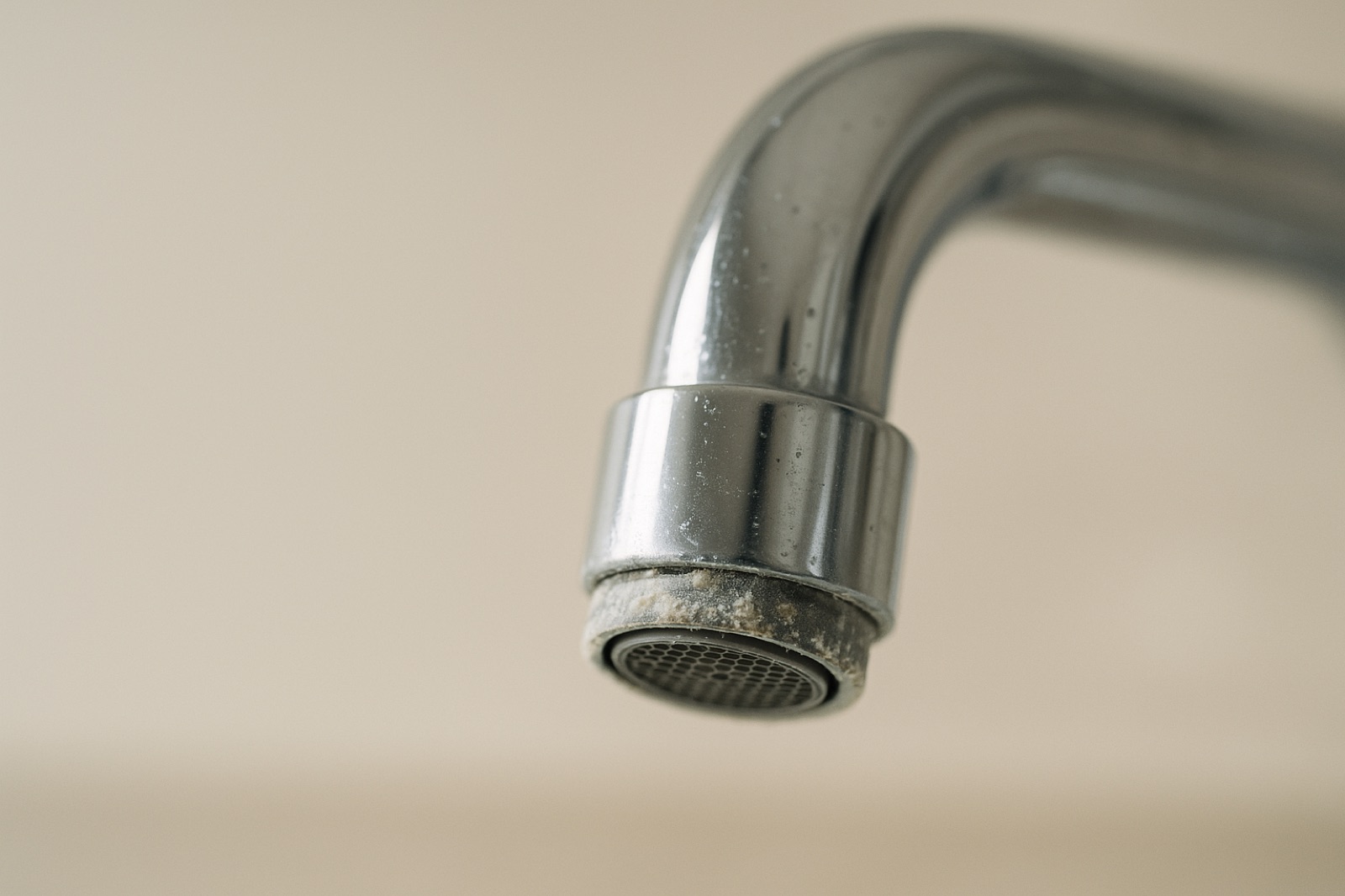
As a homeowner, you likely take your water for granted. You turn on the tap and expect clean, safe drinking water. However, recent developments, particularly regarding contaminants like PFAS and microplastics, have raised new questions for many homeowners. Understanding your home water filtration options is more important than ever.
The Growing Concern of Water Contaminants
In recent years, the regulatory landscape surrounding drinking water has significantly shifted. A report by the National Association of Clean Water Agencies highlights the increasing vigilance required by utilities to combat emerging contaminants. According to the report, PFAS have become a prominent concern as they are found widely in drinking water across the United States. This has fueled public outcry and demands for better water safety measures. With such contaminants being labeled as a "growing concern," homeowners need to be proactive about the quality of their water.
What Are Your Filtration Options?
When it comes to filtering your home water, there are several options available, each with its unique benefits and limitations:
1. Activated Carbon Filters
Activated carbon filters are one of the most common home filtration systems. They work by adsorbing contaminants from the water as it passes through the filter. These filters can effectively reduce chlorine, volatile organic compounds (VOCs), and some heavy metals. However, they may not be as effective against PFAS or microplastics, which require more advanced filtration technologies.
2. Reverse Osmosis Systems
Reverse osmosis (RO) systems push water through a semi-permeable membrane that removes a wide range of contaminants, including PFAS and microplastics. This option provides highly purified water, but it can be more costly and requires more maintenance than other systems.
3. UV Water Purifiers
Ultraviolet (UV) purifiers use light to disinfect water, effectively killing bacteria and viruses. While these systems do not remove chemical contaminants, they can be an excellent complement to other filtration methods, especially if biological contaminants are a concern.
4. Whole House Filtration Systems
If you want comprehensive protection, you might consider a whole house filtration system. These systems treat all the water entering your home, providing filtered water for drinking, cooking, and bathing. Similar to other options, the specific pollutants they can remove will depend on the type of filter used.
Assessing Your Water Quality
Before investing in a filtration system, it can be beneficial to test your water quality. Home water testing kits are widely available and can provide insights into the specific contaminants present in your tap water. Understanding your water quality will help you choose the most effective filtration option for your home.
Staying Informed
As the landscape of water quality continues to evolve, staying informed about the latest developments is crucial. The recent report on PFAS and microplastics discusses how these contaminants have reshaped the drinking water regulatory environment, underscoring the need for vigilance among homeowners.
Conclusion
Deciding on a water filtration system requires careful consideration of your unique needs and local water quality. While it may seem overwhelming, understanding your options can provide peace of mind. With the right filtration system in place, you can ensure that your home has access to clean, safe water for you and your family.