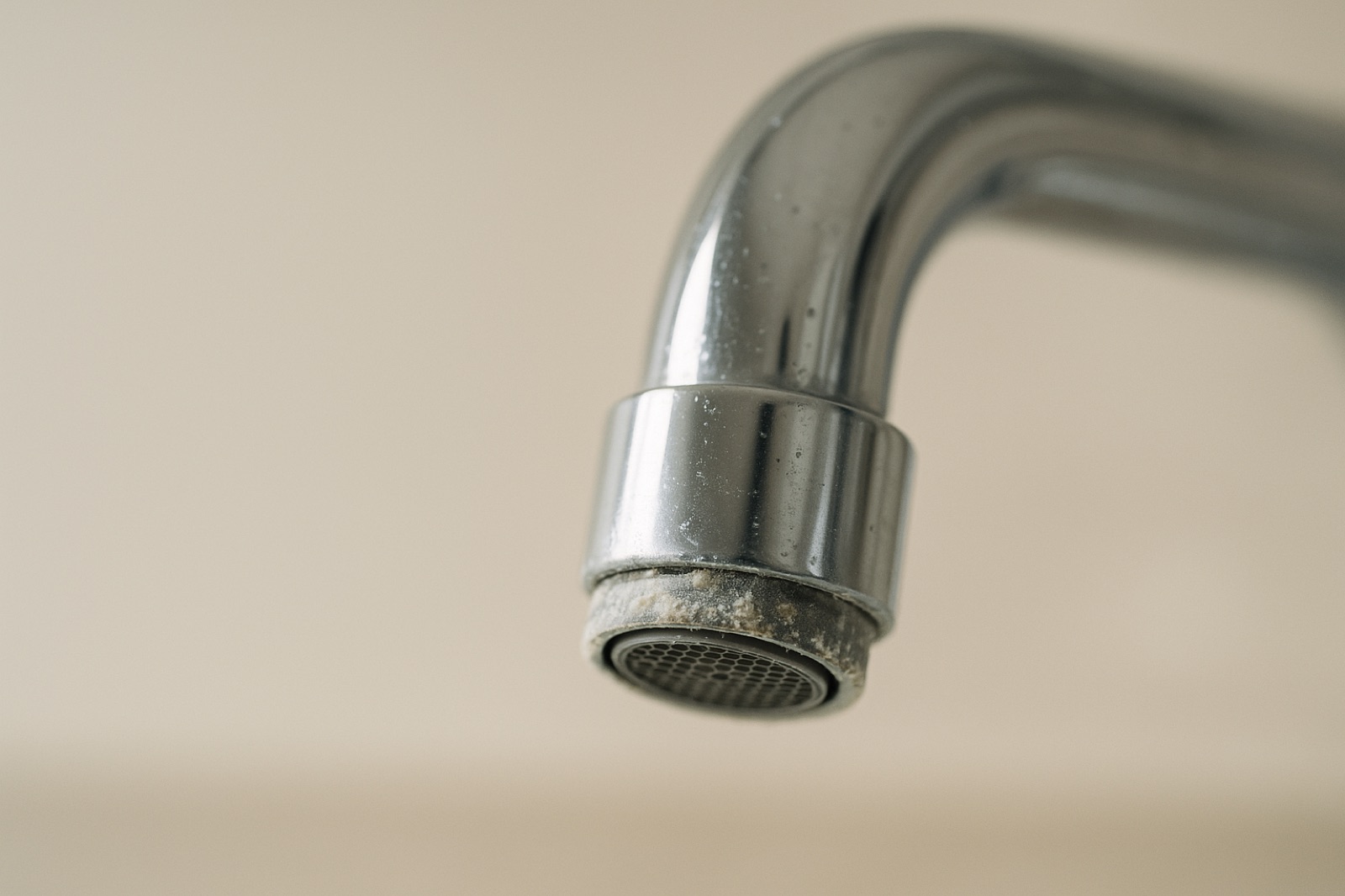
As a homeowner, you might not realize how closely linked your water quality is to the environment around you. With climate change becoming an increasing concern, it’s essential to understand how these shifts can affect the water you use every day. From rising temperatures to shifting weather patterns, let’s examine the implications for your home’s water supply.
Climate Change and Water Sources
Climate change is altering weather patterns and affecting the availability of fresh water. Events such as prolonged droughts and intense storms can lead to water scarcity or contamination. For instance, a recent article in The Guardian highlights the pressures on the Yampa River, a significant tributary of the Colorado River. As “water wars rage” across the United States, many homeowners are becoming increasingly aware of how their local water sources are impacted by broader environmental changes.
Temperature's Role in Water Quality
Higher temperatures can also change the chemical composition of water. Warmer water can lead to increased levels of certain pollutants and contaminants. This is not only a concern for drinking water but also for recreational water use. As temperatures rise, the risk of harmful algae blooms increases, which can produce toxins harmful to both humans and pets. Keeping an eye on local water quality reports and testing your home water is essential for ensuring safety.
Emergency Situations and Water Access
Rising temperatures and extreme weather also disrupt emergency services, as seen in a recent The Guardian article describing how heat domes have affected communications in the Midwest. When emergency alarms go off without cause, it’s a reminder of how unpredictable weather events can disrupt our lives. During such times, having a reliable water filtration system becomes even more critical, ensuring that you have access to clean water no matter the circumstances.
What Homeowners Can Do
As a homeowner, you can take proactive steps to mitigate the effects of climate change on your water supply. First, consider installing a comprehensive water filtration system tailored to your specific water quality needs. These systems can help remove contaminants and improve the safety of your drinking water.
Additionally, staying informed about local water conditions can empower you to make better decisions. Regularly testing your water, particularly during extreme weather events, will provide peace of mind. You can also take part in community efforts to protect local water sources, ensuring that they remain clean and accessible for everyone.
Conclusion
Understanding the impact of climate change on water quality is crucial for homeowners. By being proactive and informed, you can help safeguard your home’s water supply against the challenges that come with a changing climate. Remember, your water quality is not just a personal concern but part of a larger environmental issue that affects us all.