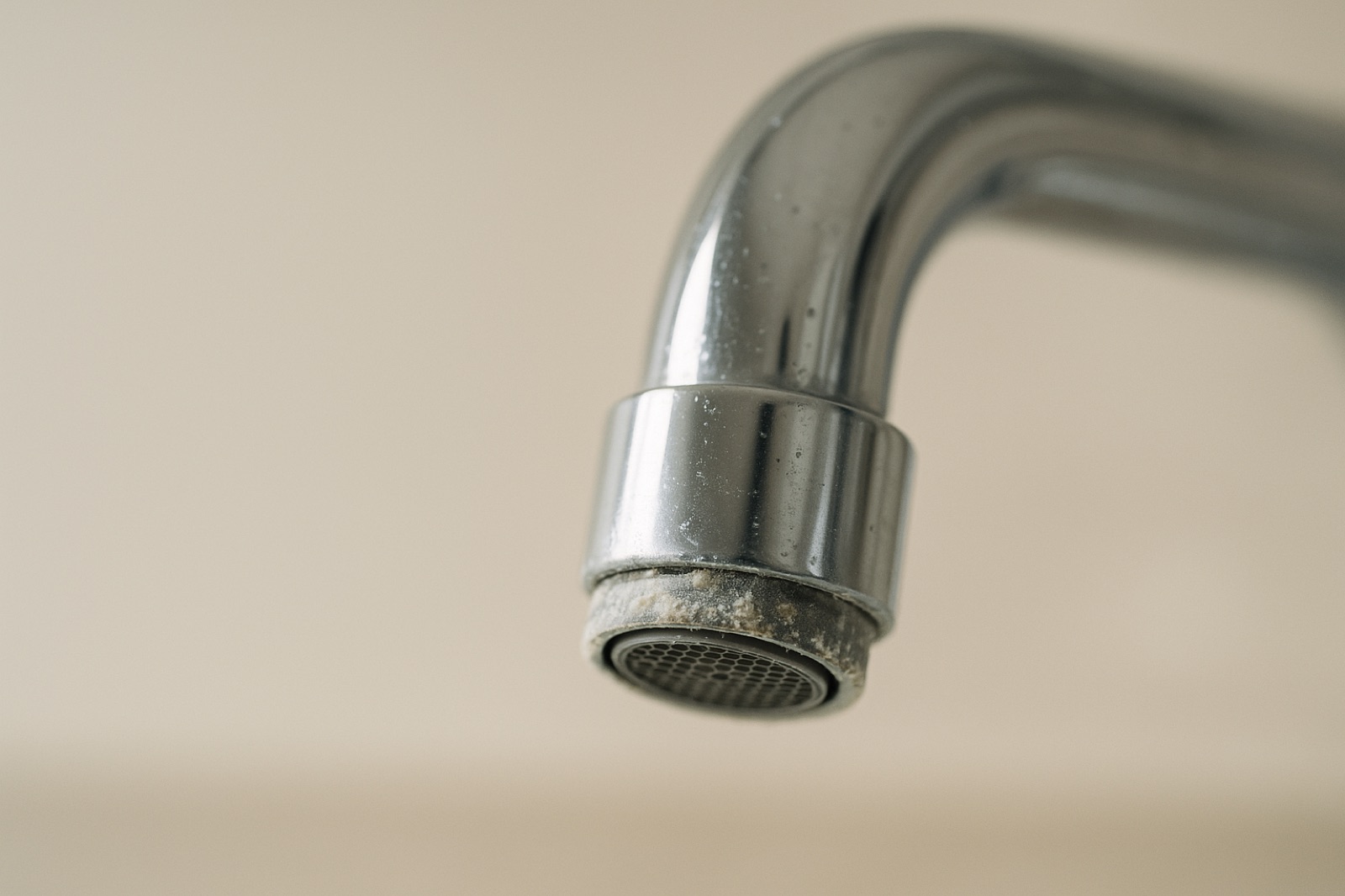
A water softener and a water filter may sit in similar-looking tanks, but they are not interchangeable. A softener primarily addresses hardness minerals that contribute to scale and poor soap performance. A filter targets particular substances, tastes, odors, or particles, depending on its design. Some homes need one, some need both, and many need testing before either purchase makes sense.
That distinction matters even when your water comes from a public system. On Sept. 18, 2026, the U.S. Environmental Protection Agency announced a $251 million loan for improvements to several drinking water treatment plants in Los Angeles and Ventura Counties, according to Water Finance and Management's report on the WIFIA loan by WFM Staff. Public treatment investments and household treatment answer different questions. Utility upgrades concern the water system, while equipment in your home should be selected for conditions confirmed at your property.
Start with the symptom, then identify the job
Scale on a showerhead, cloudy glassware, and soap that will not lather well point toward hardness as a possibility. A hardness test can tell you whether a softener belongs on the shopping list. A softener exchanges hardness minerals, but it should not be treated as a general contaminant remover.
Unpleasant taste or odor points toward filtration, but the symptom alone cannot select a filter. Activated carbon is commonly used for certain taste and odor concerns, while other media and membrane systems have different purposes. The product's certified reduction claims should match the substance you want reduced.
Staining needs another layer of care. Orange, black, blue-green, or other discoloration can have different causes, including material in the incoming water or interactions within household plumbing. Do not use stain color as a complete diagnosis. Test the water and note whether the staining appears at every fixture, only on hot water, or only at one location.
Suspected contaminants should move testing ahead of equipment shopping. Many substances have no obvious taste, smell, or color. A clear glass of water therefore cannot confirm that the water is free of a particular contaminant, just as an unpleasant taste does not identify its source.
Softener versus filter matrix
| What you notice | Best first step | Likely equipment category |
|---|---|---|
| Scale, spots, weak lather | Test hardness | Softener if hardness is confirmed |
| Unwanted taste or odor | Identify when and where it occurs, then test as needed | Filter matched to the identified cause |
| Orange or dark staining | Test for likely stain-forming constituents and inspect plumbing patterns | Specialized filtration or another targeted remedy |
| A contaminant named in a test or water report | Confirm the concentration and treatment goal | Certified filter or treatment process with a matching reduction claim |
| Hardness plus a separate taste, odor, or contaminant issue | Document both problems independently | Softening and filtration, each assigned a specific job |
The matrix is a starting point, not permission to buy from symptoms alone. It helps you decide what evidence to collect and prevents a salesperson from presenting one appliance as the answer to every complaint.
Your pre-purchase testing checklist
- Write down each symptom and when it occurs.
- Check cold and hot water separately.
- Compare more than one fixture.
- Note whether the problem affects drinking water, cleaning, plumbing, or all three.
- Review your utility water-quality report if you receive public water.
- For a private well, choose laboratory tests appropriate to the well and local conditions.
- Test hardness before sizing or buying a softener.
- Ask for the exact substances a proposed filter is certified to reduce.
- Record maintenance needs, replacement intervals, wastewater, and operating costs.
If the symptoms conflict or you do not know which tests to order, schedule a professional water assessment. Bring your symptom notes and any laboratory or utility results so the recommendation begins with evidence.
Use two separate buying questions
Ask first whether you are trying to protect plumbing and improve washing performance. If confirmed hardness is causing those problems, compare softeners. Then ask whether you want to change water used for drinking and cooking or reduce a named substance. If so, compare filters with claims that match that goal.
This decision is clearly on homeowners' minds. TheHomeWaterReport.com recorded 3,226 page views, 1,068 visitors, 1,265 search crawls, and 2,891 AI crawls in the supplied reporting period. No assist or CRM data was supplied, so those figures show site activity, not purchases or treatment outcomes.
Your final plan may be a softener, a filter, both, or no equipment yet. The useful answer is not the system with the longest feature list. It is the smallest defensible treatment plan that connects each verified problem to one appropriate job.