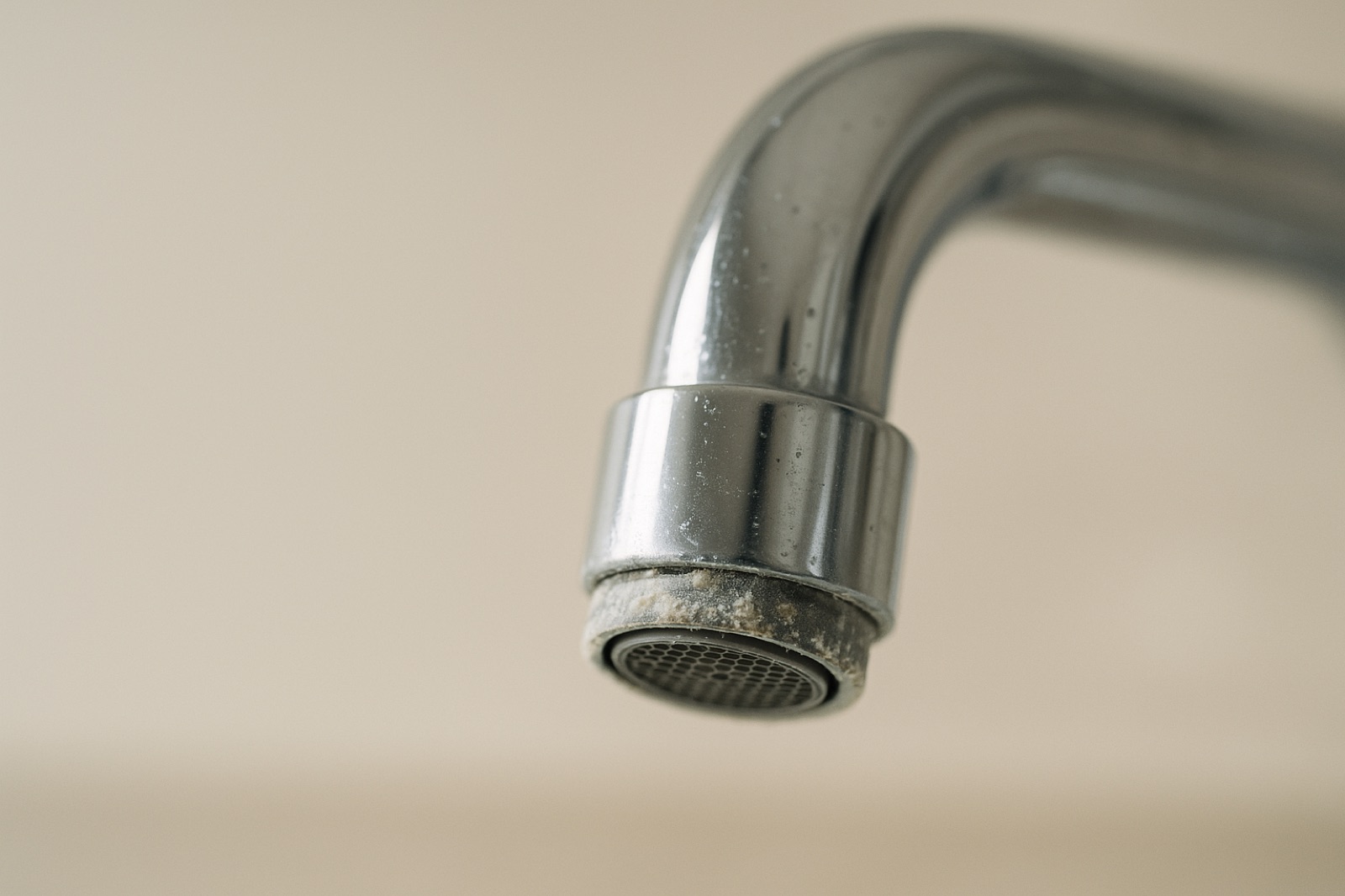
In recent years, the topic of water quality has gained significant traction, especially with the increasing presence of contaminants like PFAS and microplastics in drinking water. These substances not only pose health risks but also raise questions about the integrity of municipal water supplies. Therefore, it is crucial for homeowners to take charge of their water quality through regular testing.
Understanding the Risks of PFAS and Microplastics
Per- and polyfluoroalkyl substances, commonly referred to as PFAS, have become a household term due to their widespread presence in drinking water across the United States. As highlighted by Water Finance and Management, these chemicals have reshaped the drinking water regulatory landscape, leading to an increasing public outcry concerning their safety. Microplastics, tiny plastic particles that result from the breakdown of larger plastic items, are also emerging as a concern for water quality. While research is ongoing, the potential risks to human health from these contaminants cannot be ignored.
Why Home Water Testing Matters
Conducting regular water tests allows homeowners to identify any contaminants that may be present in their water supply. With the alarming data emerging about PFAS and microplastics, testing is not just a precautionary measure but a necessary step in ensuring your family's health. Many homeowners are unaware of what is lurking in their tap water and may be unknowingly consuming harmful substances.
Testing your water can reveal issues such as elevated levels of PFAS, microbial contaminants, or even heavy metals. Knowing what is in your water can help you make informed decisions about whether you need to take further action, such as installing a filtration system or seeking alternative water sources.
Choosing the Right Testing Method
There are several options available for homeowners looking to test their water quality. Home testing kits are a popular choice for those who want quick results. These kits are usually straightforward to use and can test for a variety of contaminants, including chlorine, lead, and bacteria. However, they may not always provide comprehensive results for more complex contaminants like PFAS.
For more reliable and extensive testing, many homeowners opt for professional laboratory services. These services can conduct thorough analyses and often have the capability to detect specific contaminants, including PFAS and microplastics. While this method can be more costly than home kits, the peace of mind that comes with knowing the specific contaminants in your water can be invaluable.
Taking Action Based on Testing Results
If your water test reveals concerning levels of contaminants, the next step is to address the issue. This might involve installing a water filtration system that targets specific pollutants. Given the growing concerns about PFAS, many modern filtration systems are designed to reduce these chemicals in your drinking water, offering an additional layer of safety for your family.
In some areas, local government initiatives are also in place to help address water quality issues. Community programs may provide resources or assistance for families affected by contaminated water sources. It's worth investigating what options are available in your locality.
Stay Informed and Proactive
As the landscape of water quality continues to evolve, staying informed is essential. The recent article from Water Finance and Management discusses how communities are working to restore public trust in water systems. Engaging with community resources and initiatives can not only help improve your own water quality but also contribute to broader community efforts in fighting against contamination.
Ultimately, the responsibility for ensuring safe drinking water starts at home. By making water testing a part of your regular household maintenance, you can protect your family and ensure you are consuming clean, safe water. Considering the rising levels of PFAS and microplastics in our water systems, there is no time like the present to prioritize home water testing.