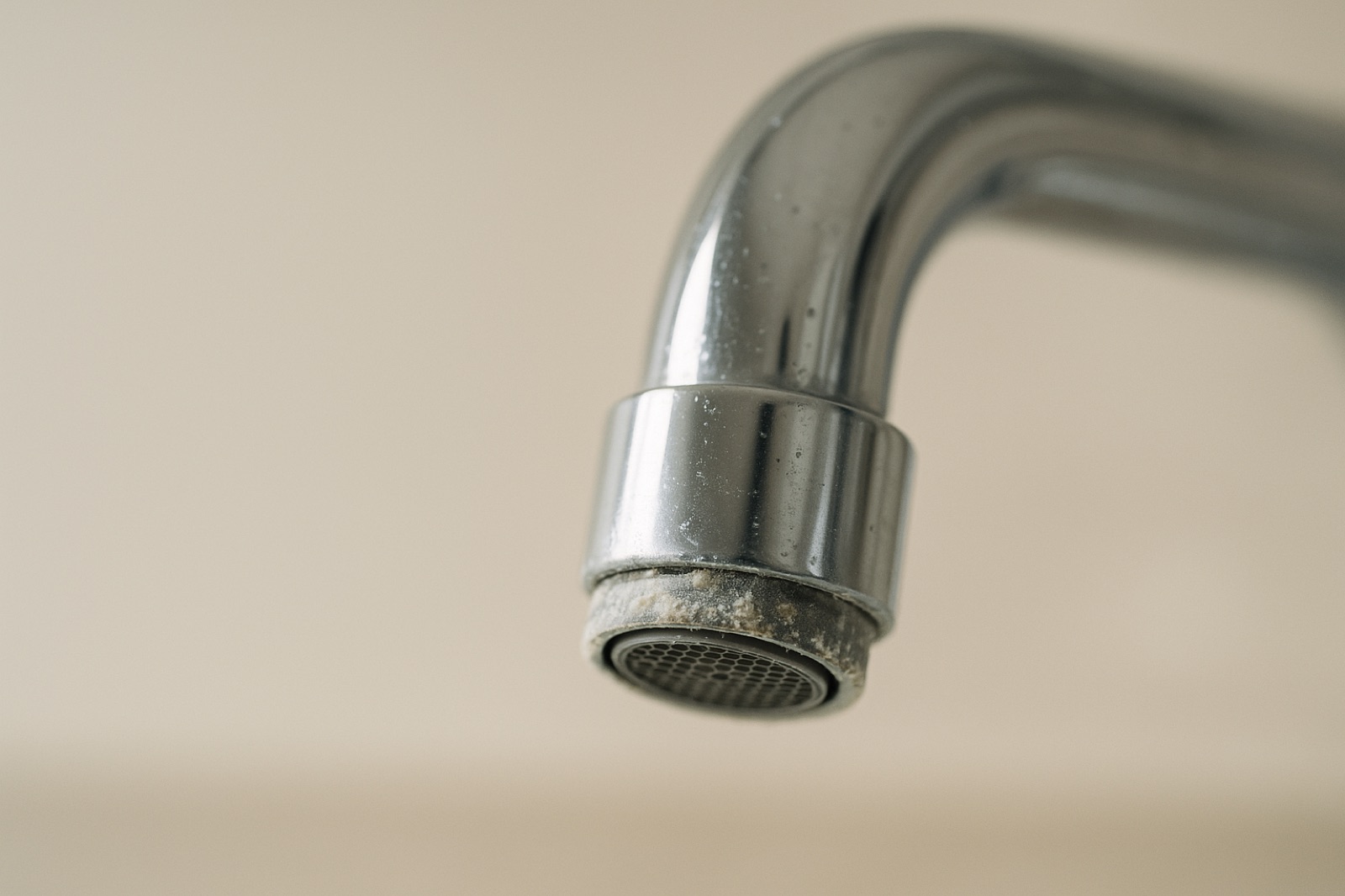
When was the last time you thought about the water coming out of your tap? For many homeowners, water quality is a topic that takes a backseat to more pressing home maintenance concerns. However, regular water testing is not just a good practice - it’s essential for ensuring your home remains a safe haven for you and your family.
Understanding Water Quality Concerns
Access to clean water is a significant issue, particularly as extreme weather conditions become more common. The summer of 2026 has already seen record-breaking temperatures across many regions, causing widespread concern about the quality of water supplies as demand rises and resources dwindle. Mark Wolfe, in a recent piece for The Guardian, emphasizes how climate-related challenges can lead to disparities in resource access. This is where regular water testing comes into play. It helps homeowners identify potential contaminants that could pose risks to their health.
What to Test For
Homeowners should prioritize testing for several key elements, including:
- Microbial Contaminants: Bacteria and viruses can infiltrate your water supply, especially during heavy rains or flooding.
- Chemical Contaminants: Pesticides, heavy metals, and other chemicals can seep into groundwater, affecting well water and municipal supplies alike.
- pH Levels: The acidity or alkalinity of your water can impact plumbing and appliances, leading to costly repairs over time.
By understanding what you are testing for, you can gain valuable insights into the quality of your water and make informed decisions about necessary filtration or treatment options.
Testing Frequency and Best Practices
So, how often should you test your water? The general recommendation is to conduct a comprehensive test at least once a year. However, if you notice any changes in taste, smell, or color, it’s wise to test more frequently. Additionally, homeowners with private wells should be particularly vigilant. The Environmental Protection Agency advises annual testing for wells due to the increased risk of contamination from nearby agricultural or industrial activities.
When you decide to test your water, consider using a certified laboratory. Do-it-yourself testing kits can be convenient, but they may not provide the accuracy and reliability that professional labs can offer. A thorough analysis may also yield insights into contaminants you might not have considered.
What to Do If You Find Contaminants
If your testing reveals issues with your water supply, don’t panic. There are several options available for addressing contamination:
- Filtration Systems: Depending on the types of contaminants found, various filtration systems can effectively remove them from your water.
- Water Softeners: If hard water is an issue, a water softener can help make your water more manageable and protect your plumbing.
- Consulting a Professional: Engaging a water quality expert can provide tailored solutions based on your specific situation.
Taking action on the results of your water test is crucial. Ignoring warnings about contaminants could lead to health risks or damage to your home’s plumbing.
Community Awareness and Advocacy
As homeowners, it’s essential to advocate for water quality in your community. Engaging in local conversations about water resources, similar to how residents in Texas are uniting across political lines to discuss environmental impacts like the proposed border wall, can lead to better policies and practices that prioritize clean water access for all (The Guardian). Building awareness around water issues can strengthen community ties and encourage collaborative solutions.
In conclusion, regular water testing is a cornerstone of responsible homeownership. By proactively assessing your water quality, you can safeguard your family’s health and ensure the longevity of your home. Don’t wait until it’s too late - make water testing a priority today.