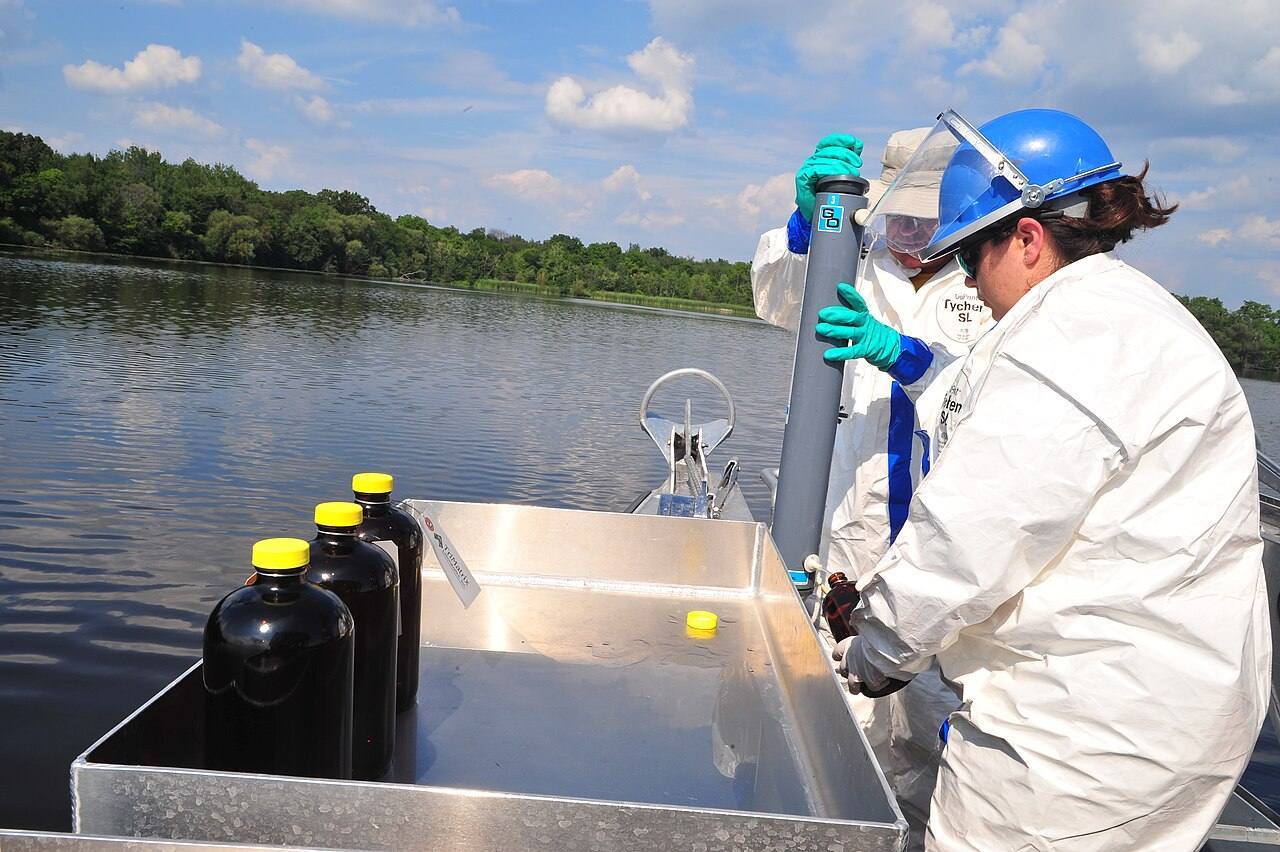
As a homeowner, ensuring that the water flowing into your home is safe is a fundamental concern. With increasing awareness of contaminants like PFAS and microplastics, testing your water has never been more crucial. Understanding what to test for, how often to test, and interpreting the results can empower you to make informed decisions about your water quality.
Why Test Your Water?
Water testing is essential for several reasons. First, it helps detect harmful contaminants that can affect your health. For instance, PFAS have reshaped the drinking water regulatory landscape, revealing widespread presence in drinking water across the United States. This has increased public concern about water safety. Second, regular testing can identify issues before they escalate, saving you from costly repairs or health-related expenses down the road.
What Should You Test For?
When testing your water, focus on key contaminants that may be present in your area. Common substances include:
- Heavy metals: Lead, arsenic, and mercury can leach into your water supply, especially in older plumbing systems.
- Microbial contaminants: Bacteria, viruses, and parasites can pose serious health risks if present in your drinking water.
- Pesticides and herbicides: Agricultural runoff can introduce harmful chemicals into your water supply.
- PFAS: These synthetic chemicals are persistent and can accumulate in the environment and human body.
How Often Should You Test?
The frequency of testing depends on several factors, including your water source and local regulations. If you use a private well, the U.S. Environmental Protection Agency recommends annual testing. For municipal water, you should review the annual Consumer Confidence Report (CCR) from your water supplier, which outlines contaminant levels. However, if you notice changes in taste, odor, or appearance, it's wise to test immediately.
Understanding Your Results
Once you receive your water test results, it’s essential to understand what they mean. Most labs provide a detailed report that indicates the levels of various contaminants. Compare these levels against the EPA's drinking water standards. For instance, if anything exceeds the Maximum Contaminant Level (MCL), immediate action may be necessary. You might consider installing filtration systems, such as reverse osmosis systems, which can effectively remove many pollutants from your drinking water. For more information on these systems, check out Reverse Osmosis STL.
Tips for Choosing a Testing Kit
If you decide to test your water yourself, here are some tips:
- Choose certified kits: Look for kits that are certified by organizations like the National Sanitation Foundation (NSF).
- Follow instructions carefully: Ensure accurate results by following the kit's instructions precisely.
- Consider professional testing: If you're unsure about DIY testing, hiring a professional can provide comprehensive insights.
Stay Informed and Proactive
In light of current events, such as the ongoing discussions around water rights among Native American tribes and state officials which are highlighted in the report by Circle of Blue, being proactive about your water quality is not just a personal responsibility but a community concern. Understanding your water's safety can help advocate for better resources and policies in your area.
By staying informed, regularly testing your water, and understanding the results, you can ensure that the water in your home remains a safe and healthy resource for your family.