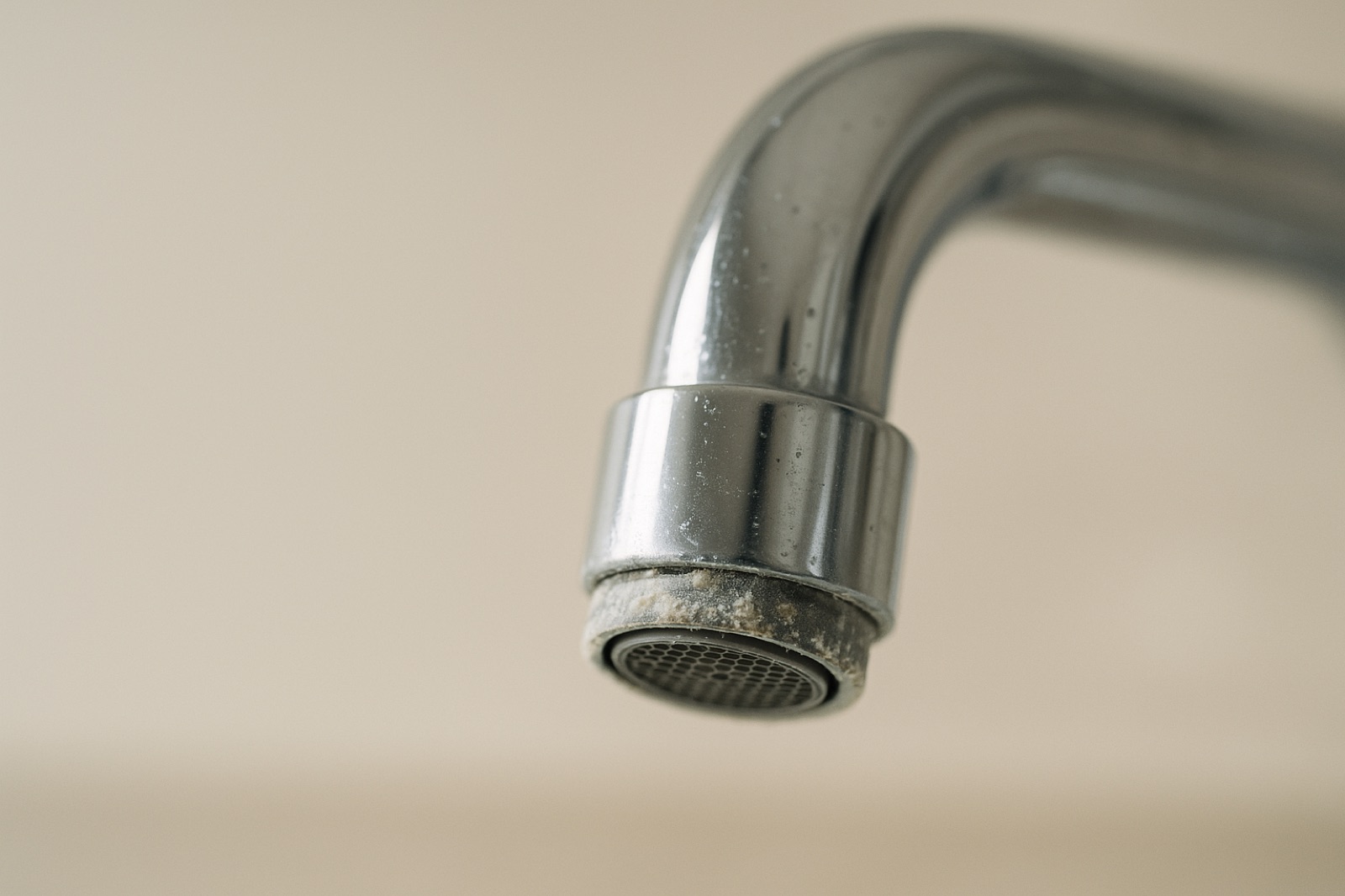
A water softener and a water filter can sit beside each other in a treatment room, yet they solve different problems. That distinction matters when a sudden event makes you pay closer attention to the water coming from your taps.
On September 8, 2026, The Guardian, in a report by the Associated Press, described how Hurricane Lowell brought damaging winds and heavy rain to Hawaii's western islands. Power was knocked out to thousands, beachside roads were damaged, and flooding and mudslides remained a risk. The report does not say that household water was contaminated. It does illustrate why changes around your home should be investigated rather than assigned to the first explanation that seems plausible.
The same discipline helps with everyday water complaints. Scale suggests one treatment path. An objectionable taste suggests another. Staining may require testing before either path makes sense.
Use this symptom matrix first
| What you notice | More likely treatment category | What to confirm |
|---|---|---|
| White crust on faucets, shower glass, or heating elements | Softening | Hardness level and whether the buildup returns after cleaning |
| Soap feels difficult to rinse or laundry seems dull | Softening may help | Hardness, detergent use, and whether the issue occurs throughout the home |
| Chlorine-like taste or odor at otherwise clear taps | Filtration | Whether it affects hot water, cold water, or both, and whether your utility reports normal treatment conditions |
| Earthy, musty, metallic, or otherwise unusual taste | Testing first, then targeted filtration | Which taps are affected, when it began, and the relevant test results |
| Orange, brown, blue-green, or black staining | Testing first | Iron, manganese, acidity, plumbing corrosion, and the stain location |
| A named contaminant in a laboratory result or official notice | Contaminant-specific filtration | The contaminant, concentration, treatment rating, and replacement schedule |
This matrix is a starting point, not a diagnosis. More than one condition can produce a similar symptom, and a home can need both softening and filtration.
Know what each system is being hired to do
A conventional softener is mainly a hardness appliance. Its job is to reduce the minerals associated with scale and common hard-water frustrations. It should not be treated as a general-purpose answer for tastes, odors, sediment, or every contaminant.
A filter is a broader category. Different filter media are designed for different jobs, so the word “filter” alone tells you very little. A cartridge that catches visible particles is not automatically suited to a dissolved contaminant. A taste-and-odor filter is not automatically a hardness solution. Ask for the specific problem, treatment method, rated capacity, and maintenance requirement in writing.
Run a testing checklist before shopping
Start by writing down the symptom, affected fixtures, color, odor, timing, and whether hot and cold water behave differently. Check whether neighbors notice the same change. If you receive municipal water, review notices from the utility. If the issue appeared suddenly, ask the utility or a qualified water professional whether sampling is appropriate before flushing or altering the plumbing.
For testing, identify the decision the result needs to support. A hardness measurement can guide softener sizing. Staining may call for iron, manganese, pH, or other testing selected for the specific pattern. A concern about a named contaminant requires a test method capable of measuring that contaminant. Use an appropriate certified laboratory when a reliable concentration matters.
Do not let a salesperson substitute a countertop demonstration for a proper water analysis. Also avoid buying equipment from appearance alone. Clear water can contain dissolved substances, while colored water may reflect plumbing, sediment, or another issue that needs separate investigation.
When both systems belong in the conversation
You may have hard water plus an unwanted taste, odor, sediment issue, or confirmed contaminant. In that case, ask how the proposed stages interact, which fixture each stage serves, and what happens when filters load or the softener regenerates. The useful comparison is not “softener or filter?” It is “what verified problem does each stage solve?”
Reader activity shows why that question deserves a direct answer: thehomewaterreport.com recorded 3,226 page views, 1,068 visitors, 1,265 search crawls, and 2,891 AI crawls in the supplied period. No assist or CRM data was supplied, so those numbers show attention, not purchases or household outcomes.
If your symptoms overlap or your test list is unclear, schedule a professional water assessment before requesting equipment quotes. You will be in a stronger position to compare recommendations when every proposed component is tied to a symptom, a test result, and a defined maintenance plan.