You notice cloudy glassware, a metallic taste, a rotten egg smell, or orange marks in the sink. The temptation is to shop for a water treatment system immediately. But those clues do not all point to the same equipment, and some do not identify the cause at all.
A water softener primarily addresses hardness minerals. A filter targets particular substances, tastes, or odors according to its design. Some homes need both. Others need neither until testing identifies what is actually present.
That distinction matters when water quality is in the news. The Guardian's Tom Perkins reports that new research identified at least 485 chemicals used in US pesticide products that are linked to breast cancer. The paper raises questions about the safety of food and other products, according to The Guardian's September 26, 2026 report on pesticide chemicals. The supplied story summary does not say that these chemicals were found in your drinking water. A troubling chemical headline is a reason to ask better questions, not proof that a particular filter belongs under your sink.
Start with the symptom, but do not stop there
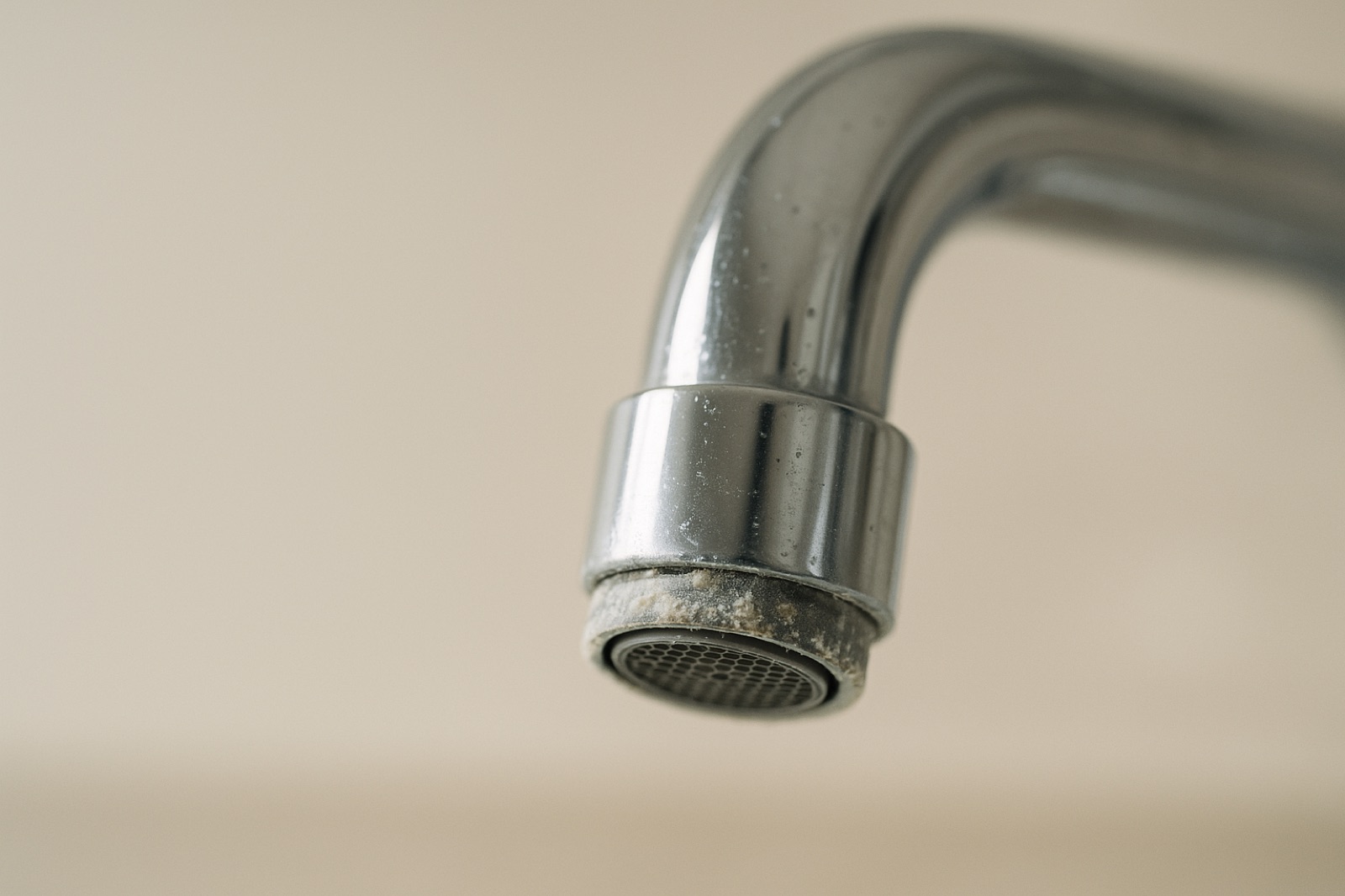
White crust and stubborn scale: A softener is the leading candidate when mineral deposits collect on faucets, shower doors, kettles, and heating elements. Confirm hardness with a water test before choosing the system size. A general drinking water filter usually will not prevent scale throughout the house.
Unpleasant taste: Move filtration to the top of your list, but identify the taste first. Chlorine-like, metallic, earthy, and salty tastes can have different causes. Treatment must be certified or otherwise designed for the substance you want to reduce. A softener is not a general taste correction device, and it can slightly change how water tastes.
Odor: Test both hot and cold water and note whether the smell comes from every tap. An odor isolated to hot water may involve the water heater. A smell at one sink may originate in the drain rather than the supply. Whole-house filtration should not be your first purchase until you know the odor is actually entering with the water.
Orange, brown, blue-green, or black staining: Treat color as a clue, not a diagnosis. Metals, minerals, plumbing corrosion, and other conditions can produce stains. A softener may help with some forms of dissolved iron, but it is not the universal answer. Testing helps separate a hardness problem from a filtration problem or a plumbing problem.
Concern about contaminants: Symptoms are especially unreliable here because many contaminants have no obvious taste, smell, or color. Start with a laboratory test selected for your water source and concern. If a result shows a contaminant, choose treatment specifically evaluated for reducing it.
The softener-versus-filter matrix
Choose a softener first when testing confirms hard water and your main goal is reducing scale, soap residue, and mineral buildup across the home.
Choose a filter first when testing identifies a substance or a clear taste and odor issue that a specific filter can address.
Consider both when you have confirmed hardness plus a separate filtration target. The systems perform different jobs and may need to be installed in a deliberate order.
Choose neither yet when the symptom occurs at only one fixture, appears only in hot water, or has not been connected to a measured water condition.
Your testing checklist
Before requesting quotes, record where each symptom appears, whether it affects hot water, cold water, or both, and whether it is constant or occasional. Identify whether you receive municipal water or use a private well. Review any available utility water quality report, then select testing that addresses your specific concern. Keep the complete results, including units and detection limits, so treatment proposals can be compared against the same evidence.
If the pattern is confusing or several problems overlap, you can schedule a professional water assessment. Ask the provider to explain which result supports each recommended piece of equipment, what the system will not remove, and what maintenance it requires.
The demand for a clearer decision process is visible in this site's own audience data: 3,226 page views, 1,068 visitors, 1,265 search crawls, and 2,891 AI crawls. No assist or CRM data was supplied, so those figures show attention rather than purchases or treatment outcomes.
Your best buying decision starts with a narrow question: What exact job must this equipment do? Symptoms help you frame that question. Testing gives you the evidence to answer it.