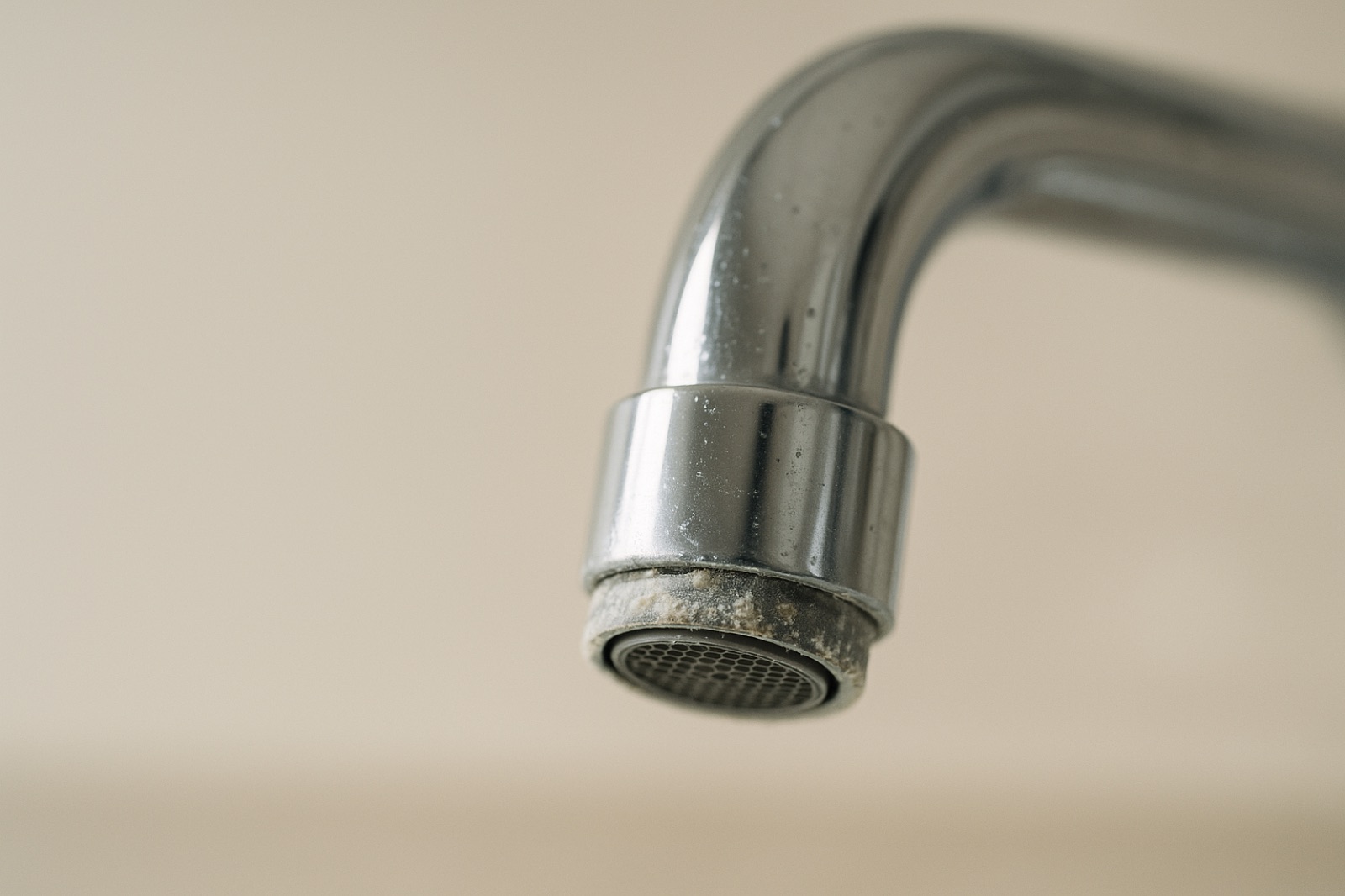
Your water softener does one job well. It trades the calcium and magnesium that make water hard for sodium or potassium, which is why soap lathers and scale stops coating the faucet. The trade is real. The mineral you removed is replaced by something else, and that something else ends up in the glass you fill at the kitchen sink.
Start With the Sodium Number
How much sodium a softener adds depends on how hard your incoming water is, how much water your household uses, and how the unit is set. Harder water means more ion exchange, so more sodium goes into the water. No single figure fits every home, so the only reliable answer comes from your own lab sheet.
Ask the lab to report sodium along with hardness. Hardness tells you what the softener has to remove. Sodium tells you what it leaves behind. Collect both samples on the same day if you can. Take one from a cold tap that bypasses the softener, such as an outdoor spigot or a utility sink line, and one from a kitchen tap that runs through the unit. Compare them side by side, and label each bottle clearly so the report makes sense later.
Also ask whether the cold water at your kitchen sink can be kept on an unsoftened line. Many homes do this, which keeps sodium out of the drinking and cooking water while still softening the supply for showers and laundry. Ask your installer whether that plumbing is practical in your house, and whether a bypass valve is already in place.
Potassium Is a Choice, Not a Shortcut
Some softener salts use potassium chloride instead of sodium chloride. That changes the ion in the water, and the salt usually costs more. Read the product label, check your installer's notes, and confirm the switch is approved for your unit before you buy a bag. Potassium is not automatically the safer pick for every household. If your doctor has asked you to limit sodium or potassium, bring the lab sheet to that conversation and let them advise you on what fits.
A Softener Is Not a Lake Filter
A recent Circle of Blue story on Lake Champlain describes Vermont spending nearly a billion dollars on cleanup, under a headline that says the "Green Slime Keeps Coming Back." Whatever the lake is doing, the lesson for a softener owner is narrow. A standard softener is built to swap hardness minerals, not to act as a catch-all for everything a lake or river can send. If your concern is the source, test the source with a lab that reports the contaminants you care about, and treat softening as a separate job.
A Short Plan for the Kitchen Glass
Before your next salt delivery, check the unit's settings against your most recent hardness reading. Write the sodium result beside it. Keep both with your service records so a future installer or your doctor has the numbers. When you change salt types, retest after a few weeks rather than assuming the results match the label.